• 未分類
  • 閱讀一輩子
  • 心情對話錄
  • 旅遊日記
  • 青少年紀事
  • 人生成功紀事
  • 健康宣言
  • 台灣山林之巔
  • 愛地球
  • 台灣真好行
  • 生物大命名
Damakey's Blog
keep your memories alive
閱讀一輩子

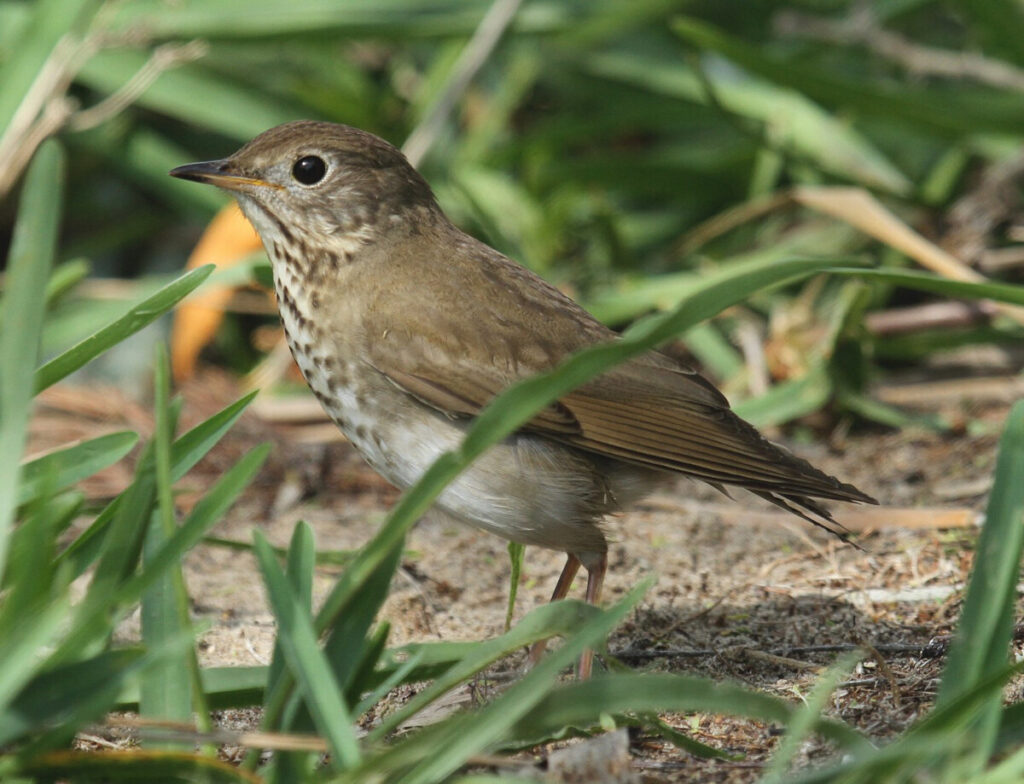
Grey-cheeked Thrush 灰頰畫眉鳥/灰頰夜鶇

by admin 2024 年 2 月 6 日
written by admin

讓我們看看灰頰畫眉鳥(gray-cheeked thrush) 在美洲由北往南遷徙的路徑和時間。

After a week of empty nets and dashed hopes, we were pumped-and all the more so that night, when Emily connected the gray-cheeked thrush’s GPS tag to her computer, and the long tale of the bird’s last 10 months spooled out across Google Earth’s globe on the screen, a luminous green line across the planet. The thrush had remained in Denali through early September the year before, but by the middle of that month it was on the wing, passing Whitehorse in the Yukon. It flew through the Cassair Mountains in British Columbia, skirted the northern edge of the Canadian prairies, and on October 5 was near Akley, Minnesota, along the evocatively named Tenth Crow Wing Lake. Ten days later the thrush was resting in woodlots along the Ohio River in the western toe of Kentucky; three days after that it was in the swampy bottomlands along the Big Black River in Yazoo County, Mississippi. A week more, having crossed the Gulf of Mexico and the western Caribbean, it was in rain forest in Veraguas Province in Panama. Turning due east, it followed the isthmus to South America and turned southeast, finally reaching its wintering grounds in Venezuela’s remote Serrania De La Neblina National Park by November 30. Having flown 6,500 miles, however, the thrush appears to have spent its next four-and-a-half months at rest, in a patch of rain forest just 90 acres in extent, before heading north again in mid-April.*

前一年度的9月初,灰頰畫眉鳥是一直停留在美洲西北阿拉斯加的丹奈利(Danali)的。

9月中旬,灰頰畫眉鳥飛離丹奈利,往東偏南飛經過加拿大西北的育空地區白馬鎭(Whitehorse in the Yukon)。

續飛過英屬哥倫比亞省卡西亞山脈,沿著加拿大大草原的北緣,在10月5日接近美國北部明尼蘇達Tenth Crow Wing Lake旁的城鎮埃克利( Akley, Minnesota)。

10月15日,灰頰畫眉鳥抵達肯塔基西邊,俄亥俄河旁的人造林區。

10月18日,抵達美國南邊的密西西比的亞祖郡。

10月25日之後,飛越墨西哥灣和西加勒比海,抵達巴拿馬貝拉瓜斯省的熱帶雨林。

轉往東,沿著地峽飛往南美洲,然後轉往東南方向,最終在11月30日,抵達委內瑞拉最南端的越冬地區,拉內布利納山脈國家公園(Serrania De La Neblina National Park, 位於委內瑞拉和巴西交界,亞馬遜河流域的西北邊)

灰頰畫眉鳥共飛了6,500英里(約等於10,460公里)!

接下來的4.5個月,灰頰畫眉鳥就會一直待在這個亞馬遜河流域西北邊過冬。

4月中旬,灰頰畫眉鳥開始往北飛,最後回到美洲西北阿拉斯加的丹奈利(Danali),孵育下一代。

……

查了網路上的資料,Grey-cheeked Thrush(灰頰畫眉鳥)有另外一個中文名稱為「灰頰夜鶇」,學名是Catharus minimus,雀形目、鶇科、夜鶇屬,不確定對不對,先這樣記錄一下。

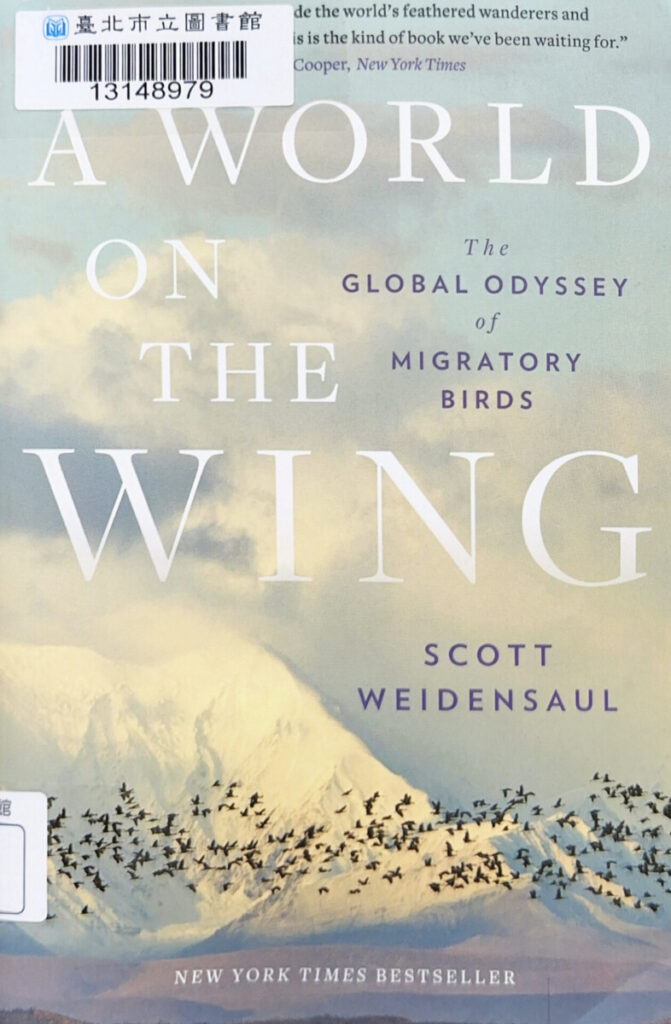
*:Scott Weidensaul, “A World on the wind,” 2021, W. W. Norton & Company, Inc.

P.S. 相片來自維基百科。

2024/2/6 Grey-cheeked Thrush 灰頰畫眉鳥/灰頰夜鶇 Damakey
2024 年 2 月 6 日 0 comment
0 FacebookEmail
閱讀一輩子

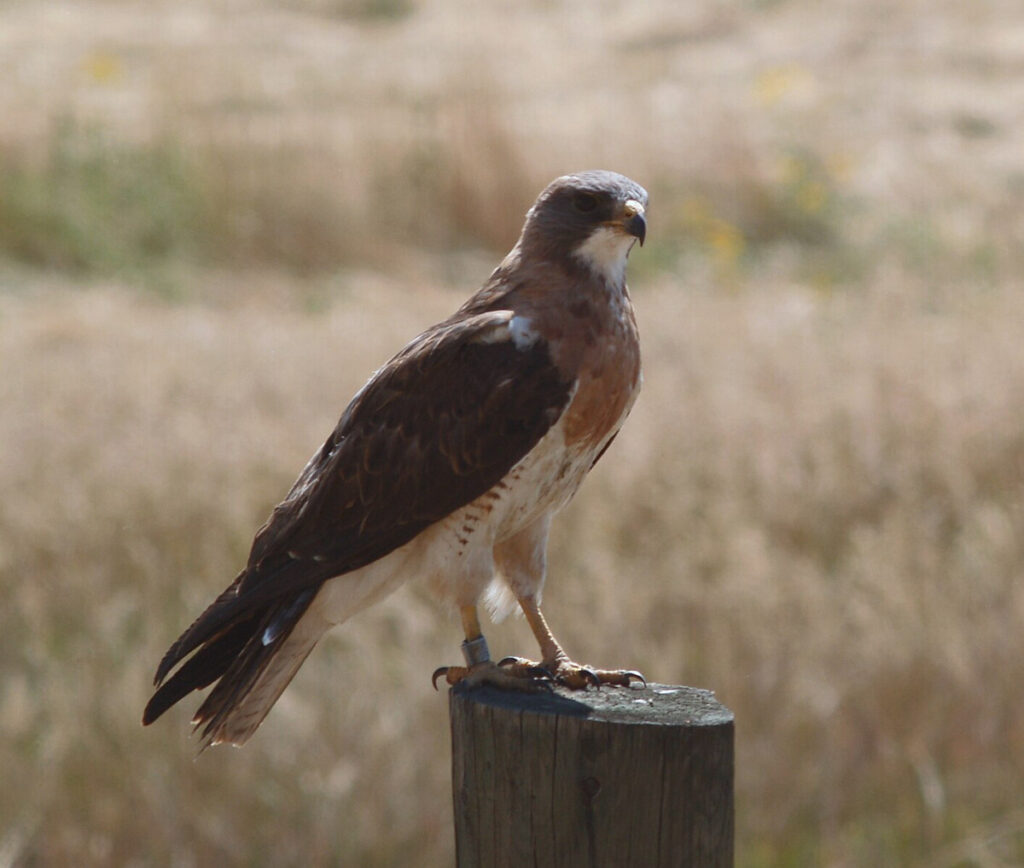
斯溫氏鵟 Buteo swainsoni

by admin 2024 年 2 月 5 日
written by admin

…That winter(1993), Brian and two of his former field assistants traveled down there, expecting to conduct some basic life-history research—nothing earthshaking, just some ground-floor biology, since almost no one had ever studied Swainsons hawks in their nonbreeding range. The trio followed the transmitter coordinates deep into the pampas, and were jubilant to find the hawks coming in to roost in the montes at dusk in flocks numbering in the thousands.

1993年冬天,布萊恩和兩位前野外研究助理到了那兒,原來只是進行基本生活史研究,並非什麼石破天驚的突破,僅是一些基礎的生物學研究,因為在過去,幾乎沒有人研究過斯溫氏鵟(音ㄎㄨㄤˊ)在非繁殖區的狀況。他們三個人追蹤了綁在鳥身上發報器所傳來的座標位置,一直深入到彭巴斯大草原。他們很開心發現,在昏黃的夜色中數千隻成群的鵟鷹,飛到了蒙地斯(montes)附近棲息。

But jubilation was quickly replaced by shock and horror when they discovered equally large numbers of dead Swainson’s hawks littering the fields and woodlots. Frantically questioning local farmers, Brian and his friends soon learned that the birds, which feed on large insects during their time in Argentina, were likely being killed by a powerful pesticide, an organophosphate called monocrotophos, which landowners-who were converting grazing land to row crops like sunflowers and soybeans-were spraying to control a grasshopper outbreak. Quickly shifting their focus to forensics, the Americans began to make methodical surveys of the devastation, finding dead hawks with poisoned grasshoppers still in their mouths. Sifting among the fetid carcasses and insect-stripped skeletons, trying to tabulate the losses, they also found leg bands, including one that Woodbridge himself had placed on a nestling in the Butte Valley years earlier, and whose breeding success as an adult he’d documented.

但是,快樂的心情馬上被震驚和恐懼所取代,他們發現有大量死亡的斯溫氏鵟散落在空地上和植林區。快快向當地的農民詢問,布萊恩一行人發現,那些鳥類在停留阿根庭的期間,以大型昆蟲為食,而那些昆蟲可能死於一種超強的殺蟲劑,一種稱為亞素靈的有機磷。當地主把草地改為種植向日葵或黃豆時,為了防止蝗害,噴的就是這種殺蟲劑。接著研究重心改為了解鳥的死因,那些美國科學家開始用正規的方法調查災情,發現死掉的鵟鷹嘴巴都還含著中毒的蝗蟲。從發臭的鳥屍和昆蟲撕裂而露出來的骨架,進一步估計損害,由鳥腳上的繫帶發現,有一隻是他幾年前在Butte Valley(美國加州)繫放的雛鳥,之後記錄為成功長大為成鳥者。

Returning the next winter with a larger team comprised of both American scientists and Argentinian researchers and government officials, they found even greater numbers of dead and dying hawks, as many as 3,000 lying in a single field. The team estimated that up to 20,000 Swainson’s hawks, mostly breeding-age adults, had died in this one relatively small area of the vast pampas-and there was every indication that the carnage extended across most, perhaps all, of the hawks’ wintering range in Argentina. The true numbers were impossible to gauge, but it was clear that just a few more years like these would quickly plunge the entire species—long among the most common and widespread raptors in North America—toward extinction.

隔年,他跟著一個更大的團隊回來,包括美國的科學家、阿根廷的研究者和政府官員。他們發現更大量已經死亡的和在垂死邊緣掙扎的鵟鷹,光在同一個地方就有3000隻躺在那裡。那個團隊估計約高達20,000隻斯溫氏鵟,大部分是屆繁殖年齡的成鳥,集中死亡在若大彭巴斯大草原中很小的區塊,從各種跡象顯示,大屠殺應該發生在鵟鹰於阿根廷的大部分或所有的冬天棲地。精確的數字無法估算,但很清楚的是,這種情形不消幾年就會大量消滅整個族群,以致於這種北美洲長期最常見而且分佈廣泛的猛禽,將被迫走向絕路。

That did not happen. By January 1997, in the middle of the austral summer when I joined Brian and his team back on the pampas for their third season, things were moving in a positive direction. Bird conservation groups, led by the American Bird Conservancy, had negotiated a deal with the manufacturer to pull monocrotophos off the market. The Argentine government had moved quickly to ban the chemical for use against grasshoppers and to buy back existing stocks from farmers, and had launched a major education campaign about the danger to the raptors. Everyone was holding their breath, waiting to see if the destruction might at last abate.

還好滅絕沒有發生。在1997年元月之前,作者在那個南半球的夏天加入布萊恩的團隊回到了彭巴斯大草原,事情往好的方向發展。在由美國鳥類保護協會領軍的鳥類保育團體,和農藥製造商談判,把亞素靈從市場上下架。阿根廷庭政府迅速禁止再使用這種藥來控制蝗蟲,政府並出錢從農民手上把庫存買了下來,並且發動教育宣導讓大家知道那種藥物對飛行猛禽的危害。大家摒息以待,希望所造成的損害終於可以暫緩。

…Best of all…the Butte Valley’s hawks had continued their slow recovery from that pesticide-induced nadir, effectively doubling their numbers….

最棒的是,Butte Valley的鵟鷹,由農藥殺害以致變少的災情中,逐漸緩慢恢復過來,而且數量已經倍增……

Twenty years ago the world saved Swainson’s hawks from a single, sharply defined threat and celebrated a well-earned conservation victory. Today, the hawk’s most ardent advocates admire the bird’s adaptability, and take comfort from its ability to thrive in many human-altered landscapes. But also I heard concerns about new issues-some immense and diffuse, like climate change and a drying landscape, some much more specific and near at hand, weirdly unexpected. I mean, honestly-what raptor biologist ever expected to lose sleep over America’s hunger for year-round strawberries?

20年前,這個世界挽救了斯溫氏鵟,從一個單一的、明確定義的威脅下,贏得了值得慶祝的保育勝利。今天,鵟鷹保育的熱心推動者推崇那類鳥的高超適應能力,能在人類改造的地景中繼續繁衍而感到寬心。但是,我還是聽到了一些令人憂慮的事情,有些是極深遠和大範圍的,譬如氣候變遷和奄奄一息的地景;有些是比較明確具體、最接近的但怪異且出乎預料之外的。我的意思是說,憑心而論,研究猛禽的生物學家怎會料到,單單因為美國人想要一年到頭都可以吃到草莓,就會讓他們感到不安而失眠呢?

讀後

斯溫氏鵟在阿根廷的遭遇,讓我想到台灣也有類似的故事,名稱叫做「老鷹紅豆」。

紅豆以屏東萬丹種植的最有名。

以前農民為了增加紅豆的產量,對食用紅豆的「害鳥」、「害鼠」加以毒害。

沒想到掠食鳥雀和老鼠的老鷹,也因為直接或間接攝入了毒藥而大量死亡。

老鼠對老鼠藥的抵抗力愈來愈強,和鳥雀一樣,在缺乏掠食性鷹類的制衡之下,繼續大量繁殖,吃掉更多田裏的紅豆,農民不得不再加大毒藥的劑量,如此惡性循環。

據屏科大的研究,老鷹之中的鳶,在2015年估計只剩下426隻,是瀕臨絕種的邊緣了。

萬丹的農民後來終於了解到了這個道理,老鷹、老鼠、小鳥、紅豆自成一個十分巧妙的生態圈,因此開始減用農藥,保育鷹類,以期自然抑制鳥雀和老鼠的數量。

紅豆在收成前,會施打落葉劑,以節省採收的人工。現在比較講究的農家就捨棄了落葉劑,改採用人工採收。越戰落葉劑對人體危害的殷鑑不遠,雖然現在用在紅豆上的毒性可能較低,但是畢竟也是毒農藥。

台灣的老鷹叫做「黑鳶」Milvus migrans,鷹科、鷹屬。美洲的斯溫氏鵟Buteo swainsoni則為鷹科、鵟屬。都是掠食性的猛禽(raptor),猛歸猛卻需要人類的保護呢!

*:Scott Weidensaul, “A World on the wind,” 2021, W. W. Norton & Company, Inc.

**:相片來自維基百科,A Swainson’s Hawk (Buteo swainsoni) near Barr Lake State Park, Colorado, September 3, 2005. Edit performed on February 6, 2007

2024/1/

…That winter(1993), Brian and two of his former field assistants traveled down there, expecting to conduct some basic life-history research—nothing earthshaking, just some ground-floor biology, since almost no one had ever studied Swainsons hawks in their nonbreeding range. The trio followed the transmitter coordinates deep into the pampas, and were jubilant to find the hawks coming in to roost in the montes at dusk in flocks numbering in the thousands.

1993年冬天,布萊恩和兩位前野外研究助理到了那兒,原來只是進行基本生活史研究,並非什麼石破天驚的突破,僅是一些基礎的生物學研究,因為在過去,幾乎沒有人研究過斯溫氏鵟(音ㄎㄨㄤˊ)在非繁殖區的狀況。他們三個人追蹤了綁在鳥身上發報器所傳來的座標位置,一直深入到彭巴斯大草原。他們很開心發現,在昏黃的夜色中數千隻成群的鵟鷹,飛到了蒙地斯(montes)附近棲息。

But jubilation was quickly replaced by shock and horror when they discovered equally large numbers of dead Swainson’s hawks littering the fields and woodlots. Frantically questioning local farmers, Brian and his friends soon learned that the birds, which feed on large insects during their time in Argentina, were likely being killed by a powerful pesticide, an organophosphate called monocrotophos, which landowners-who were converting grazing land to row crops like sunflowers and soybeans-were spraying to control a grasshopper outbreak. Quickly shifting their focus to forensics, the Americans began to make methodical surveys of the devastation, finding dead hawks with poisoned grasshoppers still in their mouths. Sifting among the fetid carcasses and insect-stripped skeletons, trying to tabulate the losses, they also found leg bands, including one that Woodbridge himself had placed on a nestling in the Butte Valley years earlier, and whose breeding success as an adult he’d documented.

但是,快樂的心情馬上被震驚和恐懼所取代,他們發現有大量死亡的斯溫氏鵟散落在空地上和植林區。快快向當地的農民詢問,布萊恩一行人發現,那些鳥類在停留阿根庭的期間,以大型昆蟲為食,而那些昆蟲可能死於一種超強的殺蟲劑,一種稱為亞素靈的有機磷。當地主把草地改為種植向日葵或黃豆時,為了防止蝗害,噴的就是這種殺蟲劑。接著研究重心改為了解鳥的死因,那些美國科學家開始用正規的方法調查災情,發現死掉的鵟鷹嘴巴都還含著中毒的蝗蟲。從發臭的鳥屍和昆蟲撕裂而露出來的骨架,進一步估計損害,由鳥腳上的繫帶發現,有一隻是他幾年前在Butte Valley(美國加州)繫放的雛鳥,之後記錄為成功長大為成鳥者。

Returning the next winter with a larger team comprised of both American scientists and Argentinian researchers and government officials, they found even greater numbers of dead and dying hawks, as many as 3,000 lying in a single field. The team estimated that up to 20,000 Swainson’s hawks, mostly breeding-age adults, had died in this one relatively small area of the vast pampas-and there was every indication that the carnage extended across most, perhaps all, of the hawks’ wintering range in Argentina. The true numbers were impossible to gauge, but it was clear that just a few more years like these would quickly plunge the entire species—long among the most common and widespread raptors in North America—toward extinction.

隔年,他跟著一個更大的團隊回來,包括美國的科學家、阿根廷的研究者和政府官員。他們發現更大量已經死亡的和在垂死邊緣掙扎的鵟鷹,光在同一個地方就有3000隻躺在那裡。那個團隊估計約高達20,000隻斯溫氏鵟,大部分是屆繁殖年齡的成鳥,集中死亡在若大彭巴斯大草原中很小的區塊,從各種跡象顯示,大屠殺應該發生在鵟鹰於阿根廷的大部分或所有的冬天棲地。精確的數字無法估算,但很清楚的是,這種情形不消幾年就會大量消滅整個族群,以致於這種北美洲長期最常見而且分佈廣泛的猛禽,將被迫走向絕路。

That did not happen. By January 1997, in the middle of the austral summer when I joined Brian and his team back on the pampas for their third season, things were moving in a positive direction. Bird conservation groups, led by the American Bird Conservancy, had negotiated a deal with the manufacturer to pull monocrotophos off the market. The Argentine government had moved quickly to ban the chemical for use against grasshoppers and to buy back existing stocks from farmers, and had launched a major education campaign about the danger to the raptors. Everyone was holding their breath, waiting to see if the destruction might at last abate.

還好滅絕沒有發生。在1997年元月之前,作者在那個南半球的夏天加入布萊恩的團隊回到了彭巴斯大草原,事情往好的方向發展。在由美國鳥類保護協會領軍的鳥類保育團體,和農藥製造商談判,把亞素靈從市場上下架。阿根廷庭政府迅速禁止再使用這種藥來控制蝗蟲,政府並出錢從農民手上把庫存買了下來,並且發動教育宣導讓大家知道那種藥物對飛行猛禽的危害。大家摒息以待,希望所造成的損害終於可以暫緩。

…Best of all…the Butte Valley’s hawks had continued their slow recovery from that pesticide-induced nadir, effectively doubling their numbers….

最棒的是,Butte Valley的鵟鷹,由農藥殺害以致變少的災情中,逐漸緩慢恢復過來,而且數量已經倍增……

Twenty years ago the world saved Swainson’s hawks from a single, sharply defined threat and celebrated a well-earned conservation victory. Today, the hawk’s most ardent advocates admire the bird’s adaptability, and take comfort from its ability to thrive in many human-altered landscapes. But also I heard concerns about new issues-some immense and diffuse, like climate change and a drying landscape, some much more specific and near at hand, weirdly unexpected. I mean, honestly-what raptor biologist ever expected to lose sleep over America’s hunger for year-round strawberries?

20年前,這個世界挽救了斯溫氏鵟,從一個單一的、明確定義的威脅下,贏得了值得慶祝的保育勝利。今天,鵟鷹保育的熱心推動者推崇那類鳥的高超適應能力,能在人類改造的地景中繼續繁衍而感到寬心。但是,我還是聽到了一些令人憂慮的事情,有些是極深遠和大範圍的,譬如氣候變遷和奄奄一息的地景;有些是比較明確具體、最接近的但怪異且出乎預料之外的。我的意思是說,憑心而論,研究猛禽的生物學家怎會料到,單單因為美國人想要一年到頭都可以吃到草莓,就會讓他們感到不安而失眠呢?

讀後

斯溫氏鵟在阿根廷的遭遇,讓我想到台灣也有類似的故事,名稱叫做「老鷹紅豆」。

紅豆以屏東萬丹種植的最有名。

以前農民為了增加紅豆的產量,對食用紅豆的「害鳥」、「害鼠」加以毒害。

沒想到掠食鳥雀和老鼠的老鷹,也因為直接或間接攝入了毒藥而大量死亡。

老鼠對老鼠藥的抵抗力愈來愈強,和鳥雀一樣,在缺乏掠食性鷹類的制衡之下,繼續大量繁殖,吃掉更多田裏的紅豆,農民不得不再加大毒藥的劑量,如此惡性循環。

據屏科大的研究,老鷹之中的鳶,在2015年估計只剩下426隻,是瀕臨絕種的邊緣了。

萬丹的農民後來終於了解到了這個道理,老鷹、老鼠、小鳥、紅豆自成一個十分巧妙的生態圈,因此開始減用農藥,保育鷹類,以期自然抑制鳥雀和老鼠的數量。

紅豆在收成前,會施打落葉劑,以節省採收的人工。現在比較講究的農家就捨棄了落葉劑,改採用人工採收。越戰落葉劑對人體危害的殷鑑不遠,雖然現在用在紅豆上的毒性可能較低,但是畢竟也是毒農藥。

台灣的老鷹叫做「黑鳶」Milvus migrans,鷹科、鷹屬。美洲的斯溫氏鵟Buteo swainsoni則為鷹科、鵟屬。都是掠食性的猛禽(raptor),猛歸猛卻需要人類的保護呢!

*:Scott Weidensaul, “A World on the wind,” 2021, W. W. Norton & Company, Inc.

**:相片來自維基百科,A Swainson’s Hawk (Buteo swainsoni) near Barr Lake State Park, Colorado, September 3, 2005. Edit performed on February 6, 2007

2024/2/5 斯溫氏鵟Buteo swainsoni Damakey

斯溫氏鵟Buteo swainsoni Damakey

2024 年 2 月 5 日 0 comment
0 FacebookEmail
閱讀一輩子

A World on the wind

by admin 2024 年 2 月 4 日
written by admin

… how North America’s bird populations have changed in the past half-century…the paper was published in Science in September 2019, …conclusion*:

有一份2019年關於北美鳥群過去半世紀數量變化的研究。

Since 1970, some 3.2 billion birds—almost 30 percent of the continent’s total breeding population—have disappeared from North America, a reduction that was almost perfectly reflected in a similar decline in nocturnal bird migration captured in the radar archive. The losses were heaviest in the East, where the birdlife is dominated by migrants traveling between the tropics and temperate or boreal forests…

從1970年以來,大約有32億隻鳥已經消失,佔鳥類總數的30%。這和雷達資料中夜行性候鳥的減少趨勢,是一致的。重災區是美洲東部的鳥群,它們主要是每年必須往返於熱帶和溫暖地區或針葉林之間的候鳥。

Globally, things aren’t much better. Similar studies have outlined massive declines in European birds—a loss of more than 400 million individuals between 1980 and 2009, according to one analysis, especially among more common species… 

而世界上其他地方鳥類的狀況,也沒有比較好。類似的研究顯示,歐洲的鳥類在1980和2009年之間,共損失了超過4億隻,其中有項分析顯示,主要是發生在常見的鳥種。

In the past four decades, the field of migratory bird conservation has experienced several we-used-to-think epiphanies. For more than a century, ornithology—which as a science had its roots in the northern urban centers of Europe and North America—had a decidedly temperate, breeding-season focus. Birds are easiest to study when they are tied to a nest, and breeding season is when they tend to be most colorful, vocal, and visible. It wasn’t until 1977, when the Smithsonian Institution sponsored a symposium on migratory birds in the tropics, that major attention in the Western Hemisphere shifted for the first time from that blinkered focus on the breeding grounds, and a lot of eyes were opened to the fact that migrants spend the majority of their lives either in transit or on the wintering grounds…

在過去40年,鳥類學家對候鳥的研究,重點一直擺在繁殖地。但是後來的一些研究顯示,候鳥長途的遷移過程以及它們選擇過冬的地點,也都攸關候鳥的保育。

…Hundreds of papers and journal articles appeared over the following decade or so, cataloging the many facets of the fragmentation problem— comparing the nesting success of ovenbirds or thrushes in small fragments versus larger forest tracts; examining how drier, warmer air infiltrates the edges of broken forests, reducing the number and diversity of leaf-litter invertebrates on which some birds feed; showing how even a small intrusion, like a dirt road, can allow cowbirds to penetrate woodland and parasitize nests…

森林砍伐而變成一小塊一小塊的(破碎化)所造成的影響,學者做了各種面向的研究,諸如,築巢成功率;更乾、更溫暖的風的吹入;鳥類賴以為食的落葉層無脊椎動物的多樣性;甚至只是一條小泥路就可以讓入侵的鳥類把自己的蛋更容易寄放在別種鳥的巢𥚃來孵化,等等。

…worldwide, 70 percent of all remaining forest lay within a kilometer of an edge, and habitat fragmentation overall reduces biodiversity by up to three-quarters…

全世界,目前僅剩的森林,其中有70%的範圍離森林邊緣少於1公里,這種森林棲地的破碎化,整體而言使得生物的多樣性減少了超過四分之三……

No one was suggesting that tropical habitat loss wasn’t important in the decline of migratory birds—it just wasn’t the only factor driving it…

這不是說(候鳥過冬的)熱帶森林的消失對候鳥不重要,而是說熱帶森林的消失並不是唯一的因素(熱帶森林的破碎化也造成了問題)。

“If you don’t have a diversity of all forest age classes and structural conditions-whether for a golden-winged warbler, a cerulean warbler, wood thrush, you name it-you’re going to have less than optimal conditions for any of those species. It’s the landscape they evolved with, long before we mucked things up,”…

森林植被的多樣化程度,如果沒有包含森林輪替的各個階段和植被組成的完整結構,那麼森林就不是處於對各種鳥類最適合的狀態,因為鳥類的演化是伴隨森林的地景,從很久很久之前,尚末被人類破壞的時候開始的。

…the Yellow Sea, separating eastern China from North and South Korea. It is the extraordinarily narrow waist of an hourglass-shaped hemispheric migration system known as the East Asian-Australasian Flyway, or EAAF, and its importance is more than a matter of geographic happenstance. The Yellow Sea, especially on the Chinese side and in the northern gulf known as Bohai Bay or the Bohai Sea, is exceptionally shallow; during the past ice age, when global sea levels were hundreds of feet lower, it was largely dry land, with the channel of the Yangtze River running through the middle. The combination of a shallow coastal margin and a tidal range that during certain lunar phases may exceed 25 or 30 feet means that when the tide goes out, it goes out—for miles and miles and miles, exposing the most expansive natural mudflats in the world. They were nourished by the prodigious load of sediments washed into the Yellow Sea—thus giving it its name—by the Yangtze, Huang He (Yellow), and other major rivers flowing out of eastern China. The Huang He carried as much as 57 pounds of silt for every cubic yard of water —although “water” is probably not the right word for such a grit-filled slurry.

黃海位於華東和南北韓之間,是候鳥「東亞-澳洲飛行路線」範圍中,有若滴漏狀的狹窄瓶頸部位,它的重要性並不僅僅只是地理位置剛好在那裡。黃海的區域,尤其是靠近中國大陸端的北邊海灣,叫渤海灣或渤海,海水是很淺的。在前一次的冰河期,當時的海平面比現在低了好幾百英尺,灣𥚃的土地大部分是乾的,河渠從中間流過。海邊的淺地和在近滿月的日子有高達25或25英尺的潮差,使得退潮之後露出數浬世界上最大的泥灘地。注入黃海中的河水中含有大量驚人的沈積物(黃河和其他的河川都是,黃河的「黃」就是因其水色為名),為泥灘帶來營養。黃河每立方碼(約0.76立方米)含有57磅(約26公斤)的淤泥,這樣充滿砂的泥漿實在不應該稱之為「水」。

Historically, mudflats covered some 2.7 million acres of the Yellow Sea coast, providing the ritziest of all five-star accommodations for migratory shorebirds. But in the past 50 years, and with accelerated speed in the last decade, more than two-thirds of those coastal wetlands have been destroyed, mostly through the euphemistically named process of “reclamation”- dredging up enormous walls of mud to seal out the tide, then pumping millions of tons of seabed sediment into the artificial impoundment to create dry land for industry, agriculture, or other purposes. The flow of fresh mud down the rivers was also choked off. The Yangtze alone now has some 50,000 dams along its main stem and tributaries, which had already reduced the movement of sediment into the sea by about 90 percent even before the controversial Three Gorges Dam began operation in 2003, cutting what was left of the silt flow by a further 70 percent.

在以前,泥灘地在黃海海岸有2千7百萬英畝,為海濱候鳥提供最豐盛的五星級食物。但在過去50年,超過三分之二的海邊濕地已經被破壞,而且以最近幾十年為甚,美其名為向海爭地,築起土堤來抵擋海浪,從海床抽砂填海造陸,作為工業、農業或其他功能的用地。原來會由河水補充的泥漿也被擋住了。單單是揚子江一條河在主河道及支流就共蓋了大約5萬個壩,攔截了90%的沈積物,而這是在三峽大壩2003年完工啓用之前,而那之後又進一步減少了水中70%的淤泥。

What scraps remain of the Yellow Sea’s tidal flats are, to the weary birds that seek them out, precious beyond expression, and probably the single most threatened linchpin among the world’s many tangled migratory paths.

在黃海潮間帶上所剩無幾的營養,疲憊的候鳥只好努力尋找,食物變得十分珍稀,這兒大概是全世界上候鳥遷徙諸多交纒路徑之中,對候鳥的保育造成最大威脅的地方。

Climate change is reshaping every single thing about migration. It is tearing up the calendar, altering the timetable on which birds must travel in order to find the food they need along their pathways, or accelerating the seasons in ways that increasingly leave them farther and farther behind during crucial periods like the nesting season. It is modifying the weather; not only are storms growing stronger, but continental winds are strengthening at some times and places and weakening at others, with unknown consequences for the many birds that depend on reliable tailwinds at critical steps in their migration— never mind the rising temperatures that alter when insects emerge, or simply make it too hot for a baby bird to survive. Climate change is reshaping the landscape— in dramatic ways, like the inundation of coastal wetlands during extreme tides, but also in more subtle but pervasive ways, as regions dry out or become seasonally sodden, as shorter winters and longer, hotter summers (or changing wet/dry seasons in the tropics) mangle once-stable plant and animal communities. Climate change, we now know, is even altering the physical size and shape of many migratory birds, as their bodies shrink in response to the rising warmth.

氣候變遷正在改變著候鳥的遷徙。時令亂了,候鳥為了在沿路找到食物補充,必須開始遷徙的時間表改變了。季節轉換提早,使得候鳥愈來愈晚抵達,最嚴重的是晚到棲地築巢生蛋。氣候改變了,不只風暴變得更強,洲際的風有些增強有些減弱,對在關鍵時刻會利用順風飛行的候鳥的影響尚未可知,更不用說氣溫升高會改變候鳥賴以維生的昆蟲出現的時機,而且往往只因為氣溫太高就會讓雛鳥難以生存。氣候變遷正劇烈地改變地景,譬如沿海濕地被巨大的潮浪淹沒,而影響更廣泛而不被發現的則是,地區性的乾旱或季節性泡在水裏,當冬季愈來愈短,更炎熱的夏季變得更長(或改變熱帶的濕/乾季),破壞了原本豐足的植物及動物群體。現在我們知道,氣候變遷甚至開始改變有些候鳥的大小和體型,它們的身體為了適應升高的溫度而變瘦小了。

A large analysis combining the results of almost 90 studies and more than 1,000 datasets from across the Southern Hemisphere found that there, too, austral spring was advancing far more rapidly than were bird movements. In Australia (where changes in seasonal rainfall, rather than temperature, seemed to be the driving force), plants had advanced the time of flowering and fruiting by almost 10 days per decade, while bird migration had changed by only two and a half days. Conversely, a meta-analysis of multiple long-term datasets in China showed a strong spring advance for trees and shrubs, but actually found a slight delay in springtime bird arrivals-though the study’s own authors cautioned that the number of bird species involved, and avian datasets in general from China, were too limited to draw firm conclusions.

基於90項研究和1000組南半球的資料所做的大型分析結果顯示,南方的春天提早的速度快於候鳥能做的調整。在澳洲(季節的變化是依季節的雨量而非溫度),植物提早開花和結果,大約每10年提早10天,但是候鳥只能提早2天半。相反地,中國針對多重長期資料的大數據分析顯示,在中國的樹木和灌木有提早回春的現象,春天的候鳥抵達的時間只稍微晚一點,但是作者特別捉醒讀者,研究中相關的鳥類種數有限,加上在中國鳥類資料的限制,要做成結論尚言之過早。

The ability of an organism to change in the face of different environmental conditions is one aspect of a grab bag of possible modifications to a plant’s or animal’s physical form, physiology, or behavior that biologists call phenotypic plasticity. This differs from evolutionary change, which is wholly genetic and passed down through genera-tions; an organism’s phenotype is a combination of its genetic background (its genotype) and how the expression of that genotype is affected by its environment. So far, evidence for true climate-driven evolutionary change among migratory birds is sparse, and differentiating between evolution and phenotypic plasticity has been difficult— though the difference is important. 

有機體在面對不同的環境條件而改變的能力,在植物和動物而言,就是改變型體、生理功能或行為,生物學家稱之為「表型可塑性」。這和演化是不同的,演化是基因遺傳的改變可以傳到後代。「表型可塑性」和基因有關,某些原本隱性的基因受環境的影響而顯現了出來(按:表觀遺傳學的理論)。至今為止,氣候所導致的基因改變的演化的證據比較少,然而基因改變的演化和「表型可塑性」的分別不容易,但是它們之間的差異是很重要的。

Ornithologists assume that birds will evolve in response to climate change, but will they be able to do so quickly enough to ward off its worst impacts? Or will phenotypic changes stretch only so far, eventually snapping as climatic change accelerates? When scientists in Sweden observed great reed warblers recurning from Africa six days earlier than they had two decades previously, was that evolution or plasticity? After a great many calculations, they concluded it was the latter —but admitted they could not be certain…

鳥類專家認為鳥類會隨著氣候改變而演化,但是它們演化的速度可以讓它們及時避開噩運嗎?或者「表型可塑性」最大可以達到的就只有這樣,最終在氣候加速改變之下應聲而斷嗎?當瑞典科學家研究發現大葦鶯(great reed warblers)從非洲返回,比20年前提早了6天,那是演化還是「表型可塑性」所促成的呢?經過繁複的計算,他們認為那是「表型可塑性」,但是科學家們承認他們不確定……

For some migratory birds, the biggest effects from climate change aren’t on body weight or wing length, but the food they need. A warming climate in the Arctic is already altering food webs, including those on which one of the world’s most dramatic migrants depends.

對某些候鳥而言,氣候變遷對它們的影響,既不在於體重,也不在於翅膀的長度,而在於賴以生存的食物。變暖的氣候已經改變了北極圈的食物鏈網絡,也因此影響到了賴之生存的候鳥,那些在地球上每年最善於長途遷徒者。

*:Scott Weidensaul, “A World on the wind,” 2021, W. W. Norton & Company, Inc.

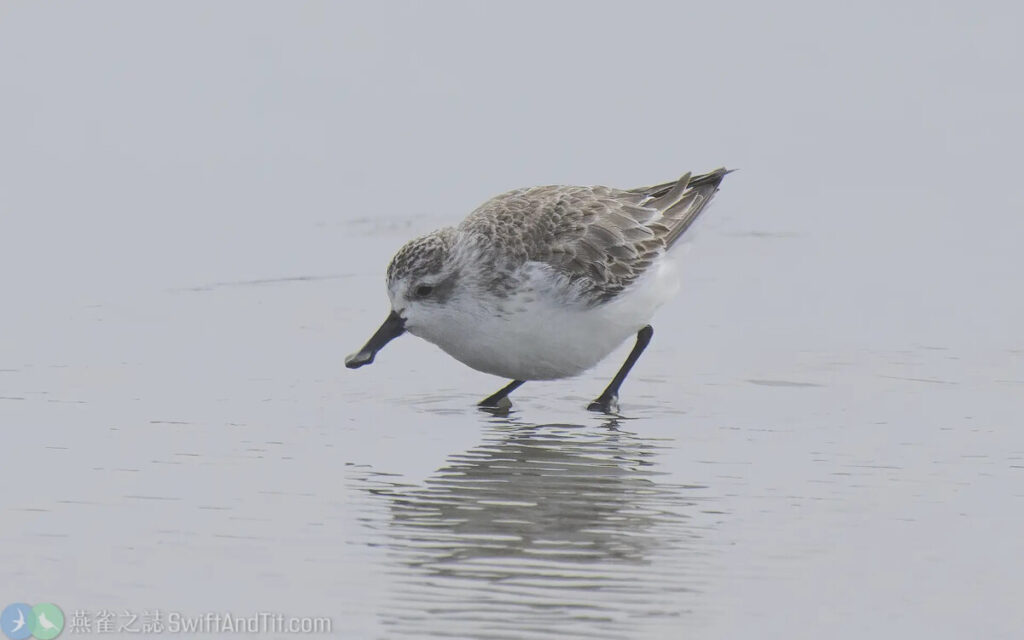
P.S. 相片:琵嘴鷸 Spoon-billed Sandpiper,來自〈琵嘴鷸 Spoon-billed Sandpiper〉,by 小雨燕,1 月 30, 2024,燕雀之誌。

琵嘴鷸飛到東南亞過冬,在台灣有零星發現,北返時會在黃海海岸停留,而隨著中停點生態的激烈變化,對於瀕危的琵嘴鷸的保育(現在應該只剩幾百隻),就是極大的挑戰。

2024/2/4 A World on the wind Damakey

2024 年 2 月 4 日 0 comment
0 FacebookEmail
閱讀一輩子

A World on the wind

by admin 2024 年 2 月 1 日
written by admin

候鳥為什麼可以知道該往哪個方向飛呢?除了太陽的位置、星光、大地的味道之外,最神奇的是透過偵側到地球微弱的磁力線而找到方向。

這是屬於愛因斯坦不喜歡的量子物理的範疇。

In 1975, Schulten was a young postdoc physicist at the Max Planck Institute for Biophysical Chemistry in Göttingen, Germany, working with chemical reactions that were influenced by magnetic fields. He realized the reaction he was seeing in his test tubes-one in which so-called radical pairs, two molecules linked at a quantum level, were influenced by a common bar magnet—could play a role in the still-mysterious ability of birds to orient magnetically. The right molecule, in the right place in a bird’s body and activated by either light or dark (he wasn’t sure which), could create a chemical compass that would be sensitive to the earth’s very weak magnetic field. So along with two colleagues, Schulten wrote a mathematically dense paper explaining the hypothesis and, in 1978, submitted it to the prestigious journal Science.

1978年,年輕的生物物理學家Schulten在Science雜誌上發表了相關的論文,大意是說:

在光子的刺激之下,鳥類的視覺網膜中的分子在量子物理的層次,會產生自由基對,成為一種生化的羅盤,對(微弱的地球)磁力非常敏感,鳥類因此能夠透過磁力而找到方向。

It’s a pretty weird grail, but then, so are most things in the quantum realm. Here is the framework, as it’s currently understood. A migrating bird, flapping through the night sky, glances up at the stars. A photon, having left one of those stars millions or even billions of years earlier, enters the bird’s eye and strikes a molecule of a form of cryptochrome, almost certainly a specific variant known as cryptochrome la. or Cryla. This encounter takes place in the retina, probably within a set of specialized vision cells known as double-cones, whose function had heretofore been a mystery. The photon knocks free one of the Cryla’s electrons, kicking that electron into a neighboring Cryla; because they now each have an odd number of electrons, the two molecules are known as a radical pair, and are linked— entangled, in the jargon of quantum mechanics. They are also magnetic, because the electrons have a property known as spin (which isn’t really spin, in the way you’d picture a top; it’s actually a state known as spin angular momentum, but never mind—let’s not go down too many quantum rabbit holes right now). Such entangled particles are joined regardless of distance, defying classical physics and common sense. They have become, in effect, one thing; if you measure the properties of one— even were they separated by millions of light-years—you could infer the properties of the other.

量子物理往往令人不可思議。鳥類透過地磁找到飛行方向的理論架構是:

候鳥在晚上飛行的時候,眼睛收到微弱的星光,視網膜上的隱花色素被激發形成自由基對,它們對地球的磁力線敏感,鳥類因此能找到飛行的方向。

It now seems all but certain that radical pairs, Cryla, and quantum entanglement provide a flying bird with its magnetic compass sense.

But birds possess a second magnetic ability, a map sense that allows them to navigate as well as orient, and radical pair theory doesn’t explain that. What about those little deposits of magnetite in a bird’s beak, the structures that I, daydreaming over my ornithology text, once pictured as a nasal compass? One team of researchers concluded that they weren’t even magnetite at all-they contend the structures are iron-rich macrophages, a type of white blood cell that is part of the avian immune system, masquerading as magnetite because of the staining process used to prepare specimen slides. Macrophages play no known role in orientation. Other scientists reject that conclusion, and note that running through the upper beak is the trigeminal nerve, which seems to somehow provide the map sense that birds use…

鳥類的腦子中好像有一個地圖,它能飛行導航,不是量子物理的自由基對理論可以完全解釋。

有鳥類學家認為那和在鳥喙中的磁性物質有關,進一步分析,有研究小組發現,那只是含鐵質較多的巨噬細胞而已,也不能拿來完全解釋鳥類的方向感。

有鳥類學家認為,是位於上喙的三叉神經的作用,因為有實驗將之去除,鳥類就變得找不到方向了。(這個實驗有點殘忍)

不管是怎樣,鳥類,尤其是候鳥,每年能循著一定的路線飛到溫暖的地方過冬然後再飛回去,是真的非常神奇的。

*:Scott Weidensaul, “A World on the wind,” 2021, W. W. Norton & Company, Inc.

2024/2/1  A World on the wind Damakey

2024 年 2 月 1 日 0 comment
0 FacebookEmail
閱讀一輩子

The 4-Hour Workweek

by admin 2024 年 1 月 30 日
written by admin

怎麼讓自己一星期只工作4小時,但依舊能享受新富(the New Rich, NR)的生活呢?

先看看新富(NR)是怎樣的人。

The employee who rearranges his schedule and negotiates a remote work agreement to achieve 90% of the results in one-tenth of the time, which frees him to practice cross-country skiing and take road trips with his family two weeks per month.

如果他是員工,那麼他就是安排自己的工作,只用10%的時間就完成90%的工作,空餘的時間他每個月有2個星期可以到處學習,如學越野滑雪,或和家人一起旅遊。

The business owner who eliminates the least profitable customers and projects, outsources all operations entirely, and travels the world collecting rare documents, all while working remotely on a website to showcase her own illustration work.

如果他是老闆,他會刪減最不賺錢的客戶和專案,把整個公司的營運都外包,自己有閒暇旅行並蒐集珍版文件,同時繼續從遠端透過網路展現成果。

The student who elects to risk it all —which is nothing —to establish an online video rental service that delivers $5,000 per month in income from a small niche of Blu-ray aficionados, a two-hour-per-week side project that allows him to work full-time as an animal rights lobbyist.

如他是學生,他會勇於嘗試(其實也沒有什麼好損失的),譬如創立一個線上的錄影帶租借服務,每個星期花二小時從藍光光碟的小眾市場每個月賺5000美元,同時讓他自己可以全職從事動物保護法的遊說工作。

成為新富(NR)的人,他們的想法和工作幾十年延後享受存夠錢然後退休的人(the Deferrers, D),是很不同的。

D: To work for yourself. 為自己工作。

NR: To have others work for you. 讓別人為你工作。

D: To work when you want to. 想工作就做。

NR: To prevent work for work’s sake, and to do the minimum necessary for maximum effect (“minimum effective load”). 工作自己能少做就儘可能少做。

D: To retire early or young. 及早退休享受生活。

NR: To distribute recovery periods and adventures (mini-retirements) throughout life on a regular basis and recognize that inactivity is not the goal. Doing that which excites you is. 不等到退休,定期即享受生活。

D: To buy all the things you want to have. 買東西來滿足自己。

NR: To do all the things you want to do, and be all the things you want to be. If this includes some tools and gadgets, so be it, but they are either means to an end or bonuses, not the focus. 做自己想做的事情,成就自己。既不是手段也不是求結果,而是過程。

D: To be the boss instead of the employee; to be in charge. 讓自己成為獨當一面的老闆而不是員工。

NR: To be neither the boss nor the employee, but the owner. To own the trains and have someone else ensure they run on time. 既不是老闆也不是員工,而是掌握一切的主導者。

D: To make a ton of money. 賺很多錢。

NR: To make a ton of money with specific reasons and defined dreams to chase, timelines and steps included. What are you working for? 賺有意義的錢。

D: To have more. 擁有更多。

NR: To have more quality and less clutter. To have huge financial reserves but recognize that most material wants are justifications for spending time on the things that don’t really matter, including buying things and preparing to buy things. You spent two weeks negotiating your new Infiniti with the dealership and got $10,000 off? That’s great. Does your life have a purpose? Are you contributing anything useful to this world, or just shuffling papers, banging on a keyboard, and coming home to a drunken existence on the weekends? 生命更有品質。有餘錢,但要理解物質的欲望往往是花時間在購物或準備購物的藉口。你會花兩星期和Infiniti的汽車銷售業務談判來獲得一萬美金的折扣嗎?那也許不錯,但是你的人生有意義嗎?你對這個世界有任何特別的貢獻,還是只是整理一下文件、敲敲鍵盤,在週末喝得酩酊大醉才回家?

D: To reach the big pay-off, whether IPO, acquisition, retirement, or other pot of gold. 透過新創公司上市、購併、退休或其他的方式賺一大筆錢。

NR: To think big but ensure payday comes every day: cash flow first, big payday second. 胸懷大志,創造每天有持續性的收入優先,其次才考慮是否能大賺一筆。

D: To have freedom from doing that which you dislike. 讓自己不用再做討厭的事。

NR: To have freedom from doing that which you dislike, but also the freedom and resolve to pursue your dreams without reverting to work for work’s sake (W4W). After years of repetitive work, you will often need to dig hard to find your passions, redefine your dreams, and revive hobbies that you let atrophy to near extinction. The goal is not to simply eliminate the bad, which does nothing more than leave you with a vacuum, but to pursue and experience the best in the world. 不只讓自己不用再做討厭的事,而且要讓自己有餘力追求自己的夢想,不必再為工作而工作。做了幾年一樣的工作之後,你會深切反省自己的熱情何在,重新定義自己的夢想,重拾自己的嗜好,不再消沈。目標不僅僅只是避免不喜歡的,那只會讓自己感到空虛,而是要積極追求和體驗世界上最棒的各種事物。

……

看到這裡,我們大概知道,作者在《The 4-Hour Workweek》這本書是告訴大家,要變成新富(NR),首先要先改變態度和做法。

新富(NR)的人,既不打安全牌,也不是閉著眼睛拼命努力,而是要勇於多方嘗試,充分講究工作的效率,讓系統幫他賺錢。

*:《The 4-Hour Workweek》

2024/1/30 The 4-Hour Workweek Damakey

怎麼讓自己一星期只工作4小時,但依舊能享受新富(the New Rich, NR)的生活呢?

先看看新富(NR)是怎樣的人。

The employee who rearranges his schedule and negotiates a remote work agreement to achieve 90% of the results in one-tenth of the time, which frees him to practice cross-country skiing and take road trips with his family two weeks per month.

如果他是員工,那麼他就是安排自己的工作,只用10%的時間就完成90%的工作,空餘的時間他每個月有2個星期可以到處學習,如學越野滑雪,或和家人一起旅遊。

The business owner who eliminates the least profitable customers and projects, outsources all operations entirely, and travels the world collecting rare documents, all while working remotely on a website to showcase her own illustration work.

如果他是老闆,他會刪減最不賺錢的客戶和專案,把整個公司的營運都外包,自己有閒暇旅行並蒐集珍版文件,同時繼續從遠端透過網路展現成果。

The student who elects to risk it all —which is nothing —to establish an online video rental service that delivers $5,000 per month in income from a small niche of Blu-ray aficionados, a two-hour-per-week side project that allows him to work full-time as an animal rights lobbyist.

如他是學生,他會勇於嘗試(其實也沒有什麼好損失的),譬如創立一個線上的錄影帶租借服務,每個星期花二小時從藍光光碟的小眾市場每個月賺5000美元,同時讓他自己可以全職從事動物保護法的遊說工作。

成為新富(NR)的人,他們的想法和工作幾十年延後享受存夠錢然後退休的人(the Deferrers, D),是很不同的。

D: To work for yourself. 為自己工作。

NR: To have others work for you. 讓別人為你工作。

D: To work when you want to. 想工作就做。

NR: To prevent work for work’s sake, and to do the minimum necessary for maximum effect (“minimum effective load”). 工作能少做就儘可能少做。

D: To retire early or young. 及早退休享受生活。

NR: To distribute recovery periods and adventures (mini-retirements) throughout life on a regular basis and recognize that inactivity is not the goal. Doing that which excites you is. 不等到退休,定期即享受生活。

D: To buy all the things you want to have. 買東西來滿足自己。

NR: To do all the things you want to do, and be all the things you want to be. If this includes some tools and gadgets, so be it, but they are either means to an end or bonuses, not the focus. 做自己想做的事情,成就自己。既不是手段也不是求結果,而是過程。

D: To be the boss instead of the employee; to be in charge. 讓自己成為獨當一面的老闆而不是員工。

NR: To be neither the boss nor the employee, but the owner. To own the trains and have someone else ensure they run on time. 既不是老闆也不是員工,而是掌握一切的主導者。

D: To make a ton of money. 賺很多錢。

NR: To make a ton of money with specific reasons and defined dreams to chase, timelines and steps included. What are you working for? 賺有意義的錢。

D: To have more. 擁有更多。

NR: To have more quality and less clutter. To have huge financial reserves but recognize that most material wants are justifications for spending time on the things that don’t really matter, including buying things and preparing to buy things. You spent two weeks negotiating your new Infiniti with the dealership and got $10,000 off? That’s great. Does your life have a purpose? Are you contributing anything useful to this world, or just shuffling papers, banging on a keyboard, and coming home to a drunken existence on the weekends? 生命更有品質。有餘錢,但要理解物質的欲望往往是花時間在購物或準備購物的藉口。你會花兩星期和Infiniti的汽車銷售業務談判來獲得一萬美金的折扣嗎?那也許不錯,但是你的人生有意義嗎?你對這個世界有任何特別的貢獻,還是只是整理一下文件、敲敲鍵盤,在週末喝得酩酊大醉才回家?

D: To reach the big pay-off, whether IPO, acquisition, retirement, or other pot of gold. 透過新創公司上市、購併、退休或其他的方式賺一大筆錢。

NR: To think big but ensure payday comes every day: cash flow first, big payday second. 胸懷大志,創造每天有持續性的收入優先,其次才考慮是否能大賺一筆。

D: To have freedom from doing that which you dislike. 讓自己不用再做討厭的事。

NR: To have freedom from doing that which you dislike, but also the freedom and resolve to pursue your dreams without reverting to work for work’s sake (W4W). After years of repetitive work, you will often need to dig hard to find your passions, redefine your dreams, and revive hobbies that you let atrophy to near extinction. The goal is not to simply eliminate the bad, which does nothing more than leave you with a vacuum, but to pursue and experience the best in the world. 不只讓自己不用再做討厭的事,而且要讓自己有餘力追求自己的夢想,不必再為工作而工作。做了幾年一樣的工作之後,你會深切反省自己的熱情何在,重新定義自己的夢想,重拾自己的嗜好,不再消沈。目標不僅僅只是避免不喜歡的,那只會讓自己感到空虛,而是要積極追求和體驗世界上最棒的各種事物。

……

看到這裡,我們大概知道,作者在《The 4-Hour Workweek》這本書是告訴大家,要變成新富(NR),首先要先改變態度和做法。

新富(NR)的人,既不打安全牌,也不是閉著眼睛拼命努力,而是要勇於多方嘗試,充分講究工作的效率,讓系統幫他賺錢。

*:《The 4-Hour Workweek》

2024/1/30 The 4-Hour Workweek Damakey

2024 年 1 月 30 日 0 comment
0 FacebookEmail
閱讀一輩子

深度職場力 So good that they can’t ignore you

by admin 2024 年 1 月 30 日
written by admin

沒有人在小時候就知道自己未來要做什麼就能成功。

一樣的道理,大部分人在投入職場的時候,縱使是找到人人稱羨的「好工作」,也不見得只要在工作上保持熱情就能成功。

我們既不能一股腦兒把所有的熱情投入目前的工作,而騎驢找馬容易分心也不見得是絕對有益的態度,那麼該怎麼辦才能讓自己走上成就成功之路呢?

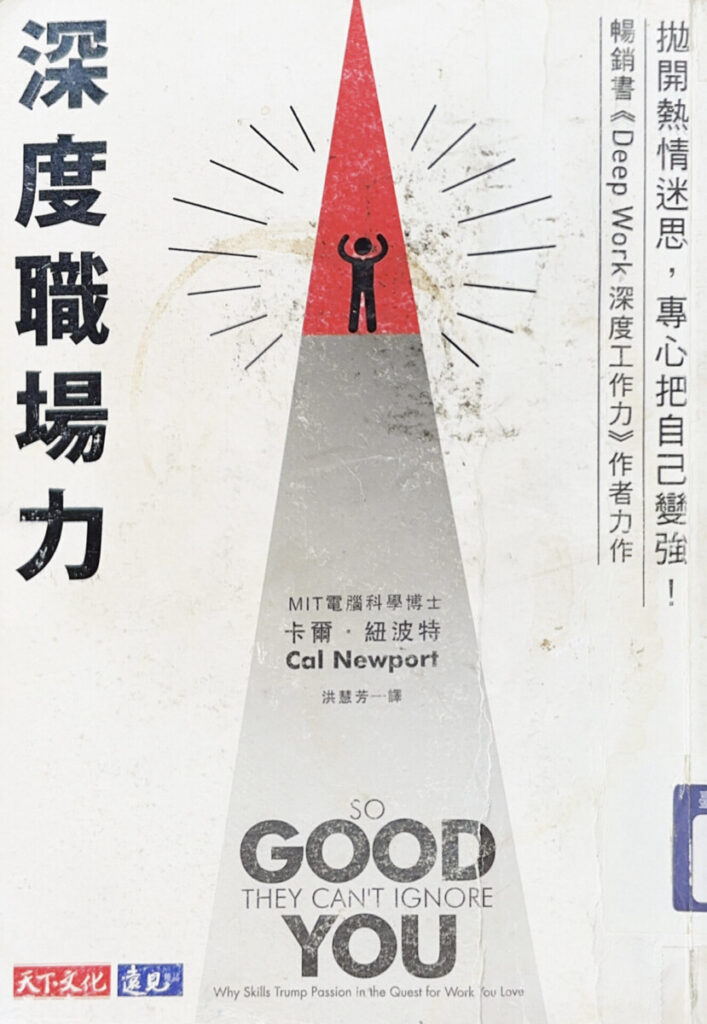
卡爾·紐波特在《深度職場力 So good that they can’t ignore you》這本書中,提出了一個職涯資本理論,基本上就是說,與其挑工作,不如挑戰自己、反求諸己,不斷磨練工作的技能,那麼既在目前的工作可以做好得到相對應的報酬和鼓勵,公司內有其他工作機會出現時會想到你,而因緣際會一旦公司外的工作機會找上了你,你也可以勝任愉快。

主動權完全掌握在自己的手上。這叫做「技能思維」。

『技能思維是不斷的精進自己,使自己成「讚到沒人可忽視」的狀態。這是很適合用來

累積職涯資本的策略。所以,如果你的目標是開創熱愛的工作,技能思維遠勝於熱情思維。』*

抱持這種態度,最大的好處是只要自己努力就可以了,不假他求。

技能思維的五個步驟:

  1. 判斷你處於哪種職涯資本市場。
  1. 找出應該全力追求的職涯資本。
  1. 定義明確目標。
  1. 積極尋求挑戰與批評。
  1. 鍛鍊勤毅力,刻意的練習,讓工作技能如火純青。

而當一個工作做到無法再精進自己的工作技能的時候,那就是該換工作性質、換部門或換公司了。

『「把工作做好」比「入對行」更重要』*

「把工作做好」代表自己已經在目前的工作上精進了自己的工作技能,當機會來的時候,就代表自己已經準備好了!

*:卡爾·紐波特,《深度職場力 So good that they can’t ignore you》,2018, 遠見天下文化出版股份有限公司

2024/1/30 深度職場力 So good that they can’t ignore you Damakey

2024 年 1 月 30 日 0 comment
0 FacebookEmail
閱讀一輩子

唇顎裂寶寶小彤彤彤,六歲前的養成問答集

by admin 2024 年 1 月 29 日
written by admin

什麼是「唇顎裂」?

『胚胎早期發育時,嘴唇是由兩側組織漸往身體中線連結起來,如果連結過程中出現差錯,就會產生裂縫。若只是上唇有裂縫,稱為唇裂;若裂縫延伸至口內硬顎、軟顎部位,稱為唇顎裂;有時只有口腔內的上顎或軟顎裂開而外表正常,則稱為顎裂。(資料來源:羅慧夫基金會_顱顏百科)』*

唇顎裂的成因,可能是懷孕初期受X光、藥物、病毒感染等或其他隨機因素所造成,佔出生嬰兒人數約0.2%,並不算罕見。

《唇顎裂寶寶小彤彤彤》這本書,就是小彤彤的父母在照顧唇顎裂的小彤彤,從出生到六歲的成長紀錄。

首先,我很好奇的是,唇顎裂小孩的嘴唇和一般的奶瓶不能完全密合,怎麼吸奶呢?

原來還有特製的奶瓶可供使用,從羅慧夫基金會就可以得到幫助。

唇顎裂的改善,主要是透過外科手術。有些孩子需要經過好幾次手術,照顧起來可以說是煞費父母的苦心。好在於多年不斷的進步之下,台灣擁有亞洲最棒的唇顎裂手術的經驗和技術,這是唇顎裂孩子的父母最強而有力的後盾。

小彤彤的父母說,聽到婦產科醫師說母體中的嬰兒有唇鄂裂,當下腦袋是一片空白的。

在後記中,小彤彤的父母只輕描淡寫地說「用愛彌補缺陷,用智慧陪伴孩子成長」作為書籍的結語。但從書裏詳細的記錄,令人著實佩服他們的付出。他們不只從外在矯治孩子的唇顎裂,他們也打從心裡把小彤彤培養成一個和其他人沒有什麼兩樣的健康天真孩子。相信所有唇顎裂孩子的父母的努力和想法,都是一樣的吧!

*:林欣微 陳先斌 著,《唇顎裂寶寶小彤彤彤,六歲前的養成問答集》,2023年6月,白象文化事業有限公司

2024/1/29 唇顎裂寶寶小彤彤彤,六歲前的養成問答集 Damakey

2024 年 1 月 29 日 0 comment
0 FacebookEmail
生物大命名

台灣茶藨子

by admin 2024 年 1 月 28 日
written by admin

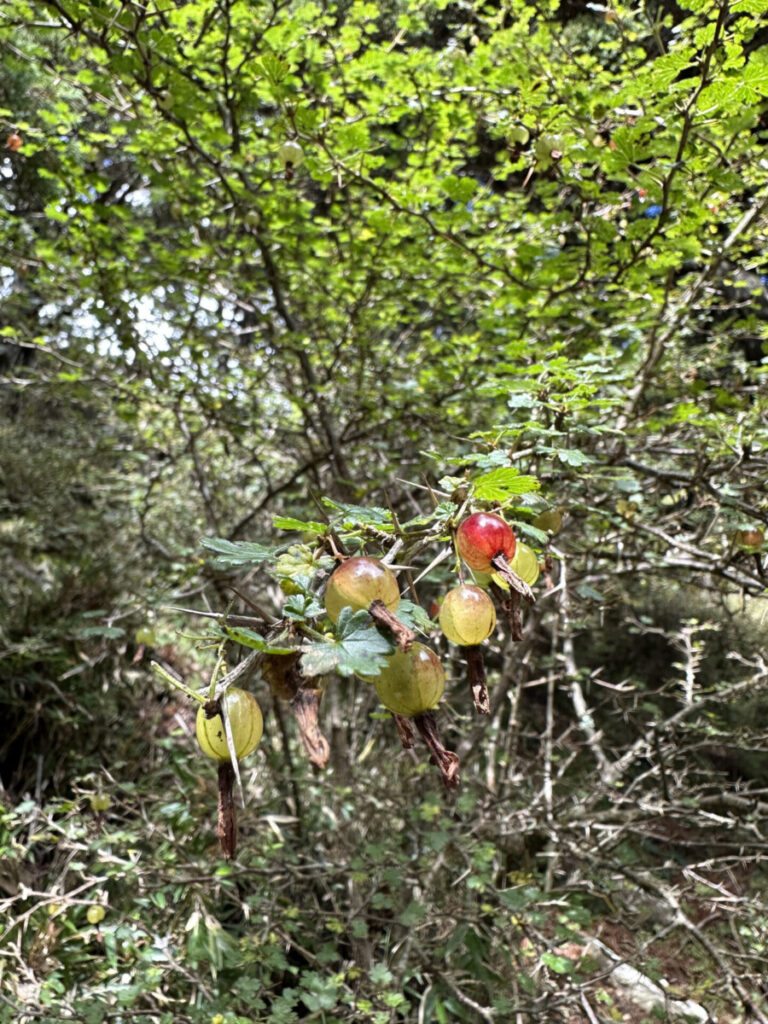
台灣茶藨子 Ribes formosanum

『醋梨即今之茶藨子,產於華北以北的溫帶地區,以及中國境內的高山地帶,屬於溫帶至寒帶的灌木。大部分種類的成熟果實均可食用,唯多為小型果實,不具經濟生產價值。宋詩中提到的「醋梨」應為原產歐洲或中亞細亞的大果種,至今仍為歐洲重要的果用植物之一。』*

宋詞中提到的「醋梨」(茶藨子),應該出自黃庭堅的《贈劉靜翁頌四首》:

《贈劉靜翁頌四首》  ~黃庭堅(西元1045-1105)

念念皆空更莫疑,心王本自絕多知。

艱勤長向途中覓,掉卻甜桃摘醋梨。

這首詩中,作者看空人世,主張向內心修行,人生辛苦的追求,放下甘甜嚐到酸澀。

黃庭堅曾為蘇軾(1037—1101)門下,也在「新黨黨爭」之中受到迫害。會有這樣的心境,可以理解。從詩文也可以知道,宋人喜食甜桃,而醋梨的酸味則是其對立面。

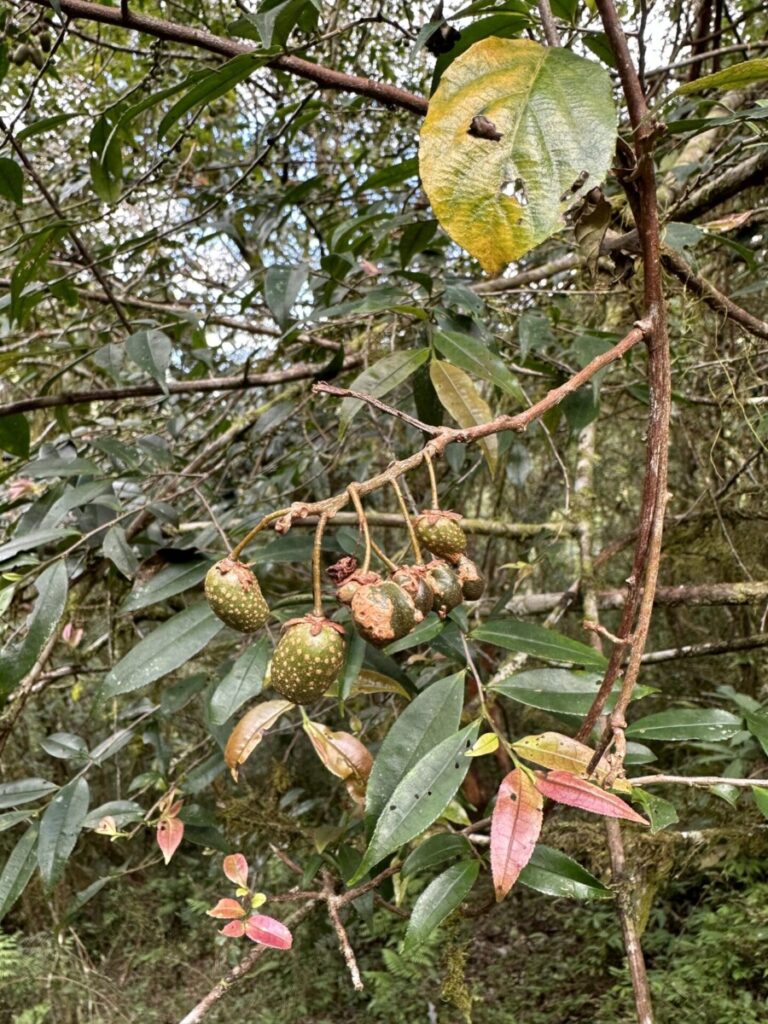
台灣茶藨子在台灣的分佈,資料寫於3000公尺以上的高山,最低我則曾見於丹大林道六分所海拔2440公尺處,所以在台灣應該說是中高海拔的植物。

台灣茶藨子 Ribes formosanum是茶藨子科(醋栗科) GROSSULARIACEAE 茶藨子屬(醋栗屬) RIBES植物之中的一個種,和宋詞中的「醋梨」(茶藨子),就是同一屬的植物。

台灣茶藨子的熟果,嚐起來酸中帶一點甜,極為生津解渴,是長途健行的好朋友呢!

*:潘富俊 著,《中國文學植物學》,2013年11月二版二刷,貓頭鷹出版

2023/9/14 攝於馬博橫斷,白洋金礦山屋附近,海拔3,370公尺。#台灣茶藨子 #馬博橫斷

2024 年 1 月 28 日 0 comment
0 FacebookEmail
閱讀一輩子

我還行,只是偶爾情緒太嘮叨

by admin 2024 年 1 月 28 日
written by admin

我們往往會有令自己感到棘手的情緒,諸如:

不確定性

比較

憤怒

過勞

完美主義

絕望感

後悔

心愛的人突然永別了,讓我們對人生充滿不確定性。

社交媒體讓我們傾向用自己的內心和別人的外表做比較而覺得傷害。

對於生活中的不公不義我們感到憤怒。

工作長期長時間工作缺乏及時休息的過勞。

希望凡事的任何細節都要做到最好的壓力是完美主義。

生活左支右絀莫名奇妙的絕望感。

千金難買早知道的後悔。

人生不只是硬幣的兩面。人生是一座大海中的浮冰,喜怒哀樂愛惡欲是上面的表象,而潛意識是下面的內心,不管我們怎麼掙扎,縱使看起來冰晶玉潔,它也從來沒有停止融化。

我們在出生之後,身上帶著鋒利的刀芒,主張生命的正義,向外我們仗劍殺人,證明我們獨特的存在,直到環境和時間鈍化了我們的外表,心智變得敏感銳利了,向內我們開始剖析自我,可是往往來不及有明確的答案,就已經約會了死亡。

以結果論,人就是生和死。而其中存在的,就是倏忽而逝的過程。

《金剛經》說的:「一切有為法,如夢幻泡影;如露亦如電,應作如是觀。」

棘手的情緒,就是人生的過程,是《金剛經》所說的「空」。

心理學家安慰我們說,棘手的情緒讓我們成長。

不確定性提醒我們要把握當下。

比較之後我們更謙虛但也更肯定自己並不差。

憤怒之後我們找到平靜。

過勞的避免,就是要有平衡的生活。

完美主義使我們表現傑出。

絕望感培養我們對負面情緒的耐受度。

不後悔,所以想要做什麼儘快去做。

尼采也說了,「凡殺不死我的,使我更堅強。」

如是看來,只有死亡不能使我更堅強。所以,活著,自然而然就會變得更堅強。

人生是浮在苦海上的冰山,我們看得到的是很小的一部分,在水裏的潛力則是無窮的。

李白(701—762)在一千兩百年前,在《將進酒》中,就已經告訴了我們,面對快速輪轉的人生,我們既要提得起的把握當下,也要放得下的自在灑脫:

「……高堂明鏡悲白髮,朝如青絲暮成雪。人生得意須盡歡,莫使金樽空對月。天生我材必有用,千金散盡還復來。…..」

李白在《將進酒》中說:「君不見」。點出了我們在面對自己棘手情緒的盲點了。

*:莉茲·佛斯蓮 著 史碩怡 譯,《我還行,只是偶爾情緒太嘮叨》2023年7月,大塊文化出版股份有限公司

2024/1/28 我還行,只是偶爾情緒太嘮叨 Damakey

2024 年 1 月 28 日 0 comment
0 FacebookEmail
生物大命名

異色獼猴桃

by admin 2024 年 1 月 27 日
written by admin

異色獼猴桃 Actinidia callosa var. discolor 

異色獼猴桃是獼猴桃科/屬中的一個種。

『獼猴桃:原產中國,《詩經》稱「萇楚」……紐西蘭於1906年引進,育種改良後,成為今日風行全世界的奇異果。其實獼猴桃早在二千多年前就已進入中國人的生命……』*

《詩經》 國風 ‧ 檜風 (今河南省密縣一帶)

隰有萇楚

隰有萇楚,猗儺其枝。夭之沃沃,樂子之無知。
隰有萇楚,猗儺其華。夭之沃沃,樂子之無家。
隰有萇楚,猗儺其實。夭之沃沃,樂子之無室。

隰:ㄒㄧ ,低溼的地方。

萇楚:獼猴桃。

猗儺:注音 ㄜˇ ㄋㄨㄛˊ,柔順的樣子。

夭:少,嫩美狀。

沃沃:豐茂帶有光澤。

華:花。

中國的古人,看在低濕處長的獼猴桃,對它柔順的枝條、花朶、果實,展現嫩美的豐澤,賦比為無憂無慮無家無室的自在。

這叢異色獼猴桃 ,拍攝在中央山脈東側,瑞穗和玉里之間的中平林道,比紐西蘭改良過的獼猴桃小很多也粗糙很多,我就想說不定更接近詩經裏的萇楚呢!

*:潘富俊 著,《中國文學植物學》,2013年11月二版二刷,貓頭鷹出版

2023/9/20 攝於馬博橫斷,中平林道旁,海拔1,320公尺。#異色獼猴桃 #馬博橫斷

2024/1/27 異色獼猴桃 Damakey

2024 年 1 月 27 日 0 comment
0 FacebookEmail
Newer Posts
Older Posts

近期文章

  • 大熊
  • 屏東媽媽小旅行-10:高雄圓道禪院、竹田火車站
  • 「三味線」 (しゃみせん shamisen) 
  • 屏東媽媽星期六的晚餐
  • 所謂的幸褔

近期留言

  1. 「Eva」於〈阿伯的同窗〉發佈留言
  2. 「Eva」於〈小漆〉發佈留言
  3. 「Eva」於〈Damakey 再出發〉發佈留言
  4. 「宅健康」於〈菩薩低眉是愛,金剛怒目也是愛〉發佈留言
  5. 「king」於〈飛行家〉發佈留言

彙整

  • 2026 年 4 月
  • 2026 年 3 月
  • 2026 年 2 月
  • 2026 年 1 月
  • 2025 年 12 月
  • 2025 年 11 月
  • 2025 年 10 月
  • 2025 年 9 月
  • 2025 年 8 月
  • 2025 年 7 月
  • 2025 年 6 月
  • 2025 年 5 月
  • 2025 年 4 月
  • 2025 年 3 月
  • 2025 年 2 月
  • 2025 年 1 月
  • 2024 年 12 月
  • 2024 年 11 月
  • 2024 年 10 月
  • 2024 年 9 月
  • 2024 年 8 月
  • 2024 年 7 月
  • 2024 年 6 月
  • 2024 年 5 月
  • 2024 年 4 月
  • 2024 年 3 月
  • 2024 年 2 月
  • 2024 年 1 月
  • 2023 年 12 月
  • 2023 年 11 月
  • 2023 年 10 月
  • 2023 年 9 月
  • 2023 年 8 月
  • 2023 年 7 月
  • 2023 年 6 月
  • 2023 年 5 月
  • 2023 年 4 月
  • 2023 年 3 月
  • 2023 年 2 月
  • 2023 年 1 月
  • 2022 年 12 月
  • 2022 年 11 月
  • 2022 年 10 月
  • 2022 年 9 月
  • 2022 年 8 月
  • 2022 年 7 月
  • 2022 年 6 月
  • 2022 年 5 月
  • 2022 年 4 月
  • 2022 年 3 月
  • 2022 年 2 月
  • 2022 年 1 月
  • 2021 年 12 月
  • 2021 年 11 月
  • 2021 年 10 月
  • 2021 年 9 月
  • 2021 年 8 月
  • 2021 年 7 月
  • 2021 年 6 月
  • 2021 年 5 月
  • 2021 年 4 月
  • 2021 年 3 月
  • 2021 年 2 月
  • 2021 年 1 月
  • 2020 年 12 月
  • 2020 年 11 月
  • 2020 年 10 月
  • 2020 年 9 月
  • 2020 年 8 月
  • 2020 年 7 月
  • 2020 年 6 月
  • 2020 年 5 月
  • 2020 年 4 月
  • 2020 年 3 月
  • 2020 年 2 月
  • 2020 年 1 月
  • 2019 年 12 月
  • 2019 年 11 月
  • 2019 年 10 月
  • 2019 年 9 月
  • 2019 年 8 月
  • 2019 年 7 月
  • 2019 年 6 月
  • 2019 年 5 月
  • 2019 年 4 月
  • 2019 年 3 月
  • 2019 年 2 月
  • 2019 年 1 月
  • 2018 年 12 月
  • 2018 年 11 月
  • 2018 年 10 月
  • 2018 年 9 月
  • 2018 年 8 月
  • 2018 年 7 月
  • 2018 年 6 月
  • 2018 年 5 月
  • 2018 年 4 月
  • 2018 年 3 月
  • 2018 年 2 月
  • 2018 年 1 月
  • 2017 年 12 月
  • 2017 年 10 月
  • 2017 年 9 月
  • 2017 年 8 月
  • 2017 年 7 月
  • 2017 年 5 月
  • 2017 年 2 月
  • 2017 年 1 月
  • 2016 年 11 月
  • 2016 年 10 月
  • 2016 年 9 月
  • 2016 年 7 月
  • 2016 年 5 月
  • 2016 年 4 月
  • 2016 年 2 月
  • 2015 年 12 月
  • 2015 年 11 月
  • 2015 年 9 月
  • 2015 年 8 月
  • 2015 年 7 月
  • 2015 年 6 月
  • 2015 年 5 月
  • 2015 年 4 月
  • 2015 年 3 月
  • 2015 年 2 月
  • 2015 年 1 月
  • 2014 年 12 月
  • 2014 年 11 月
  • 2014 年 10 月
  • 2014 年 9 月
  • 2014 年 8 月
  • 2014 年 7 月
  • 2014 年 6 月
  • 2014 年 5 月
  • 2014 年 4 月
  • 2014 年 3 月
  • 2014 年 2 月
  • 2014 年 1 月
  • 2013 年 12 月
  • 2013 年 11 月
  • 2013 年 10 月
  • 2013 年 9 月
  • 2013 年 8 月
  • 2013 年 7 月
  • 2013 年 6 月
  • 2013 年 5 月
  • 2012 年 12 月
  • 2012 年 11 月
  • 2012 年 9 月
  • 2012 年 8 月
  • 2012 年 7 月
  • 2012 年 6 月
  • 2012 年 5 月
  • 2012 年 4 月
  • 2012 年 3 月
  • 2012 年 2 月
  • 2012 年 1 月
  • 2011 年 12 月
  • 2011 年 11 月
  • 2011 年 10 月
  • 2011 年 9 月
  • 2011 年 8 月
  • 2011 年 7 月
  • 2011 年 6 月
  • 2011 年 5 月
  • 2011 年 4 月
  • 2011 年 3 月
  • 2011 年 2 月
  • 2011 年 1 月
  • 2010 年 12 月
  • 2010 年 11 月
  • 2010 年 10 月
  • 2010 年 9 月
  • 2010 年 8 月
  • 2010 年 7 月
  • 2010 年 6 月
  • 2010 年 5 月
  • 2010 年 4 月
  • 2010 年 3 月
  • 2010 年 2 月
  • 2010 年 1 月
  • 2009 年 12 月
  • 2009 年 11 月
  • 2009 年 10 月
  • 2009 年 9 月
  • 2009 年 8 月
  • 2009 年 7 月
  • 2009 年 6 月
  • 2009 年 5 月
  • 2009 年 4 月

分類

  • 人生成功紀事
  • 健康宣言
  • 台灣山林之巔
  • 台灣真好行
  • 心情對話錄
  • 愛地球
  • 旅遊日記
  • 未分類
  • 生物大命名
  • 閱讀一輩子
  • 青少年紀事
  • Facebook
  • Instagram

@2021 - All Right Reserved. Designed and Developed by PenciDesign


Back To Top
Damakey's Blog
  • 未分類
  • 閱讀一輩子
  • 心情對話錄
  • 旅遊日記
  • 青少年紀事
  • 人生成功紀事
  • 健康宣言
  • 台灣山林之巔
  • 愛地球
  • 台灣真好行
  • 生物大命名