
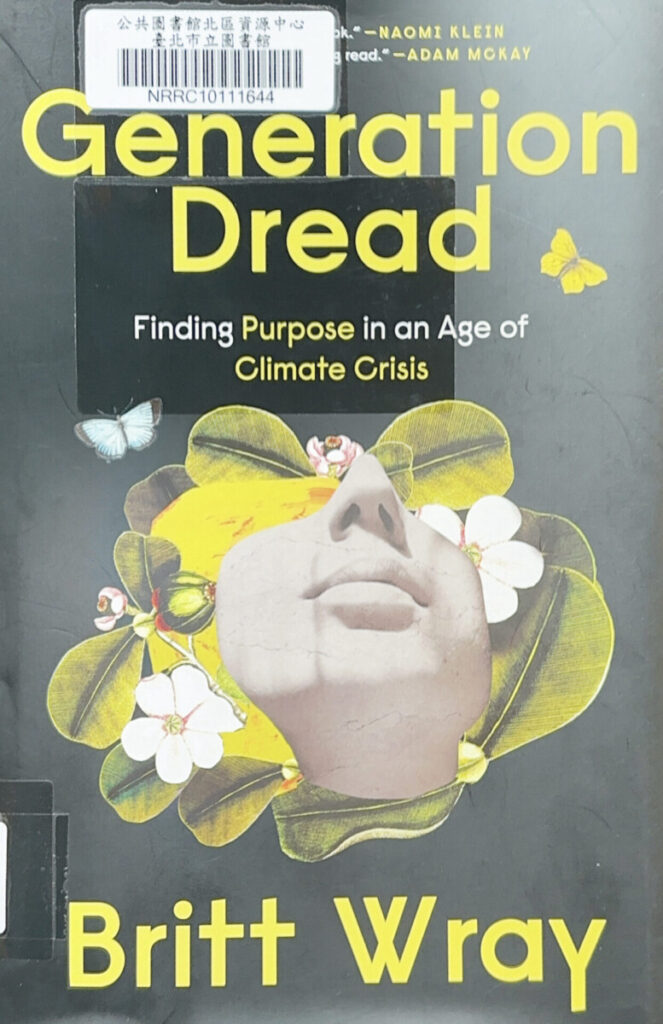
《Generation Dread》這本書的主旨強調:在全球暖化,地球上生物多樣性的急劇減少之下,人類已然走向自我減亡的不可逆境地。面對這樣的危機,比較貧窮的人面對的挑戰會比較大。人類世即將消逝的先期焦慮,也會在社會上掀起精神疾病的危機。那麼,人類將如何自處?
全球暖化、生態系統,是複雜的問題。《Generation Dread》不在於針對這些複雜的問題直接開出藥方,而是了強調在這個變動的過程,人類的社會應該如何增加彼此之間的互助,來渡過這個期間的焦慮,避免精神疾病的大爆發。
如果人類終將滅絕,研究人類怎麼更優雅地轉身退下地球生態的舞台,用過程來定義目的,當然也是另類的想法。
或許,未來有少許的人類能存活下來,譬如像Musk所夢想的一樣,在未來能在星際間旅行和殖民的新人類。
但是,在最適合人類生存的地球,我們都搞不好,怎麼企求在另外一個鷄不生蛋鳥不拉屎的不毛星球,我們就可以過得更好呢?
大家不如還是回到原點,想想怎麼可以耗掉少一點地球的資源吧!
地球上驅動生命的背後,動能的源頭最終都指向太陽。所以,個人認為,除了核能,未來若太陽能的轉換效率能有所突破,那麼將是人類生存的一線希望。
而保護生態,尤其是其中的生產者,譬如植物,其實就是在保護太陽能轉換的能力。
摘錄《Generation Dread》部分內容如下,並試譯供大家參考:
…The warmer the air is, the more moisture it can hold, and this leads to more rainfall. So as the world gets hotter, we can expect a continual boost in these kinds of intense tropical storms.
空氣愈暖,吸收水氣的能力愈強,這會導致更多的降雨。所以,當這個世界變得更炎熱,我們可以預期這種強烈的熱帶風暴會不斷加強。
We can also expect more severe wildfires, droughts, heat waves, and floods in many parts of the world. And over the coming decades, as soils become increasingly desertified, it is estimated that hundreds of millions to well over a billion people will migrate in search of a better life. The mass movement of hungry people can have seriously harmful ripple effects. Competition between existing residents and new arrivals can flare racial and ethnic tensions, amplifying political instability and stoking conflict. Women migrating under the threat of sexual violence are known to be prone to anxiety, depression, and suicide. Farmers who remain and try to harvest their diminishing crop will often take on greater loans and may commit suicide when the pressure becomes too much to bear. Resources that communities depend on, like fisheries, will dry up and the jobs that relied on those resources will vanish. At that point, the people with the most money, education, and social supports will leave those regions to look for better prospects, leaving behind groups of less resilient people in increasingly insecure places.
我們可以預期的是更嚴重的野火、乾旱、熱浪以及洪水,會在全球很多地方出現。而且在接下來的幾十年,當土石變得愈來愈鬆動,預估會有數億人被掩埋,有超過十億人會被迫遷移,以求取比較好的生活。大量飢餓人口的移動,會產生有害的推波助瀾的效果。在原有住民和抵達的新住民之間的競爭,會加劇種族和宗教的緊張,擴大政治的不穩定,升溫衝突。女性在遷徙過程中面對性暴力的威脅,眾所週知,是容易導致焦慮、憂鬱甚至自殺的。苦守土地,面對作物不斷減產的農民,經常會因此借更多的貸款,而當壓力大到再也無法𠄘受的時候,他們也可能會自我了斷生命。社群所賴以為生的資源,譬如漁業資源,將枯竭,而靠這些資源撐起來的工作會消失。在那個節骨眼,那些最有錢的、教育程度較高的以及擁有更多社會支持的人們,將任令那些其他區域的人自生自滅。那些比較沒有選擇彈性,以至於益陷自己於更不安全境地的人群,被遺棄在後面。
As this pattern develops, the most vulnerable people will end up clustering in the most vulnerable places. Inequality will widen, and mental disorders will spread. When the next disaster violently upends people’s lives, emotional aftershocks such as PTSD, suicidality, depression, domestic abuse, and substance abuse will all spike, getting worse before they get better. Poor people’s property will be significantly more damaged than that of the rich. Anyone who didn’t get adequately warned or given enough time to evacuate, or who had their power go down, or experienced the death of loved ones, or lost precious property, will face a much higher risk of mental illness than those were luckier.
這個模式繼續發展,那些最脆弱的人們,終將群聚在最脆弱的地方。貧富不均會擴大,精神疾病會漫延。當下一個災害顛覆人們的生命的時候,精神上後續的震撼,譬如創傷症候群、自殺傾向、憂鬱症、家暴、藥物濫用等等將激增,在恢復前變本加厲。貧困者的財產損失,遠比富有的人來得更大。未被適當警示的人,或沒有給足夠時間來撤退的人,或沒有力氣的人,或者經歷失去所愛的人者,或失去個人珍貴財產的人,比起其他那些比較幸運的人,他們面對罹患精神疾病的風險將更高。
2024/8/1 Britt Wray, Generation Dread, 2022, ALFRED A. KNOFF CANADA
