
Broadly speaking, cetaceans (marine mammals, such as whales, dolphins, and porpoises) employ three different types of sound communication.
一般而言,鯨目動物(海生哺乳類,譬如鯨魚、海豚和鼠海豚等等)用三種不同形態的聲音進行溝通。
The first type of sound — social calls —involves vocalizations that fall largely within human hearing range. To us, these mostly sound like whistles, pulsed squeaks, or squeals, in a variety of patterns. For example, killer whale babies babble when they are born, and begin imitating sounds made by their families when they are a few months old. Like humans, killer whales use sound to identify individuals, exchange information, and negotiate social relationships. Each pod has its own unique dialect of calls that calves learn from their mothers over several years, one of the most complex cultural communication repertoires in the animal world. As pod members stay together their entire lives, their dialects form part of their identity and indicate a strong cultural bond; killer whales with different dialects rarely intermingle for long. These dialects are so distinct that scientists (and even trained amateurs) can differentiate between pods simply by listening. Some whale calls are also very loud: sperm whales, the loudest animal in the world, can vocalize at over 200 decibels, louder than a rocket launch or a jet engine at takeoff (and loud enough to burst your eardrums if you were swimming nearby).
第一種形態的聲音,用於社交呼喚,發出的聲音大致落在人類聽覺的範圍內。我們聽起來,這些聲音就像口哨聲、間歇性的吱吱聲或尖叫聲,有各種不同的模式。譬如,剛出生的虎鯨,會發出含混不清的聲音,到了幾個月大的時候,它們會開始模仿家庭成員發出的聲音。像人類一樣,虎鯨也是用聲音來辨別個別身份、交換訊息、協調社交關係。每個鯨群都有他們自己特有的叫聲,小鯨從小就從母親那裡學習,如此持續多年,是動物界最複雜的文化溝通技能之一。同一個鯨群的成員會一輩子守護在一起,它們特有的叫聲形成一種身份的認同,代表相互間文化上強力的羈絆。叫聲不同的虎鯨很少會長期混居在一起。這些特有的叫聲,差異大到科學家(甚至訓練後的業餘者) 都可以只透過耳朵聽就可以分辨出是不同的鯨群。有些鯨魚的叫聲音量很大:抹香鯨是世界上最大聲的動物,音量可高達200分貝,比火箭發射或噴射引擎在起飛時發出的聲音還要大(如果你恰巧游在它的旁邊,那個聲音足以震碎你的耳膜)。
The second type of sound, used by odontocetes (over seventy species of toothed whales, including dolphins, killer whales, porpoises, and sperm whales), is echolocation, also called biosonar. When an animal uses biosonar (which sounds like a series of fast clicks to us), they visualize their surroundings by projecting high-frequency sound waves and discerning the distance and direction of objects from the resulting echoes—much like an ultrasound machine in a doctor’s office. Echolocation enables odontocetes (and other animals, like bats) to “see” and navigate their environment, find prey, and even scan the insides of other animals’ bodies. Killer whales use sound to continuously scan their environment, just like we do with our eyes; their survival depends on their ability to hear their biosonar echoing back from fast-moving fish, or from the hulls of approaching ships. As Clark puts it: “Their mind’s eye is their mind’s ear.”
第二種形態的聲音,是由齒鯨亞目的鯨魚發出來的(齒鯨亞目包含超過70種有牙齒的鯨魚,包括海豚、虎鯨、鼠海豚和抹香鯨),是廻聲定位,也叫生物聲納。當動物利用生物聲納(我們聽來是一系列的敲擊聲),透過發出高頻聲波的反射以辨別物體的遠近和位置來了解周遭的環境,很像在醫護室中使用的超音波儀器。廻聲定位讓齒鯨亞目的鯨魚(以及其他動物,如蝙蝠)可以「看見」環境,以利巡航、找到獵物,甚至掃瞄其他動物身體的內部。虎鯨用聲音不斷掃瞄環境,就像我們用眼睛往四周看一樣,他們的生存有賴他們的生物聲納偵測反射回來的聲音,不管是從快速游動的魚身上,或者從接近的船身。正如Clark所比喻的:「他們腦袋𥚃的耳朵就是他們腦袋𥚃的眼睛。」
The third type of sound made by some cetaceans is the long, low, rhythmic pattern of sounds produced by baleen whales (Mysticeti), popularly referred to as whale song. The songs, which are thought to be sung exclusively by males and may be related to mating, are some of the most complex sonic displays in the animal kingdom. Some whales sing in the infrasound range, while others sing at frequencies that are audible to humans. Humpback whale songs are the best studied, although other species also sing distinct songs. The difference in vocalization patterns reflects a delicate evolutionary balance between habitat and the sound properties of varying ocean depths where different whale species dwell. For deep-water species, sounds need to be simple, even sparse, in order to reliably broadcast over long distances. But for species in shallower waters, where sound cannot travel as far due to the acoustic properties of the ocean, greater variability in patterns and frequencies helps to optimize communication and navigation. Some whale songs are longer, others shorter; if humpbacks and bowheads recite sonnets, blue and fin whales are the marine masters of Zen koans.
第三種形態的聲音,是由某些鯨目動物發出來的,是既長又低並有韻律的那種聲音,由有鬚的鯨魚(鬚鯨亞目)發出來,一般大家稱之為鯨魚的歌聲。這些歌聲,咸認為只有雄鯨才會發出來,可能和交配繁殖有關,是動物界所展現最複雜的少數幾種聲音之一。有些鯨魚的歌聲在超低頻的範圍,有些則是人類聽得見的頻率。聲音展現的模式的差異,反應在棲地和不同海水深度的聲音特性之間,由特定種類的鯨豚所達成生物演化微妙的平衡。活躍在深水區的種類,發出的聲音必須簡單,甚至要既疏又少,那麼才能順利傳播到很遠的地方。但對活躍在較淺水區的種類,由於海洋中聲音的特性,在那兒聲音傳不遠,因此聲音的模式有更多的變化和不同的頻率,那麼才有助於優化溝通和巡航。有些鯨豚的歌聲比較長,有些的比較短。如果座頭鯨和弓頭鯨吟唱的是悠長的14行詩,那麼藍鯨和長鬚鯨就是精於極簡的禪宗公案。
…
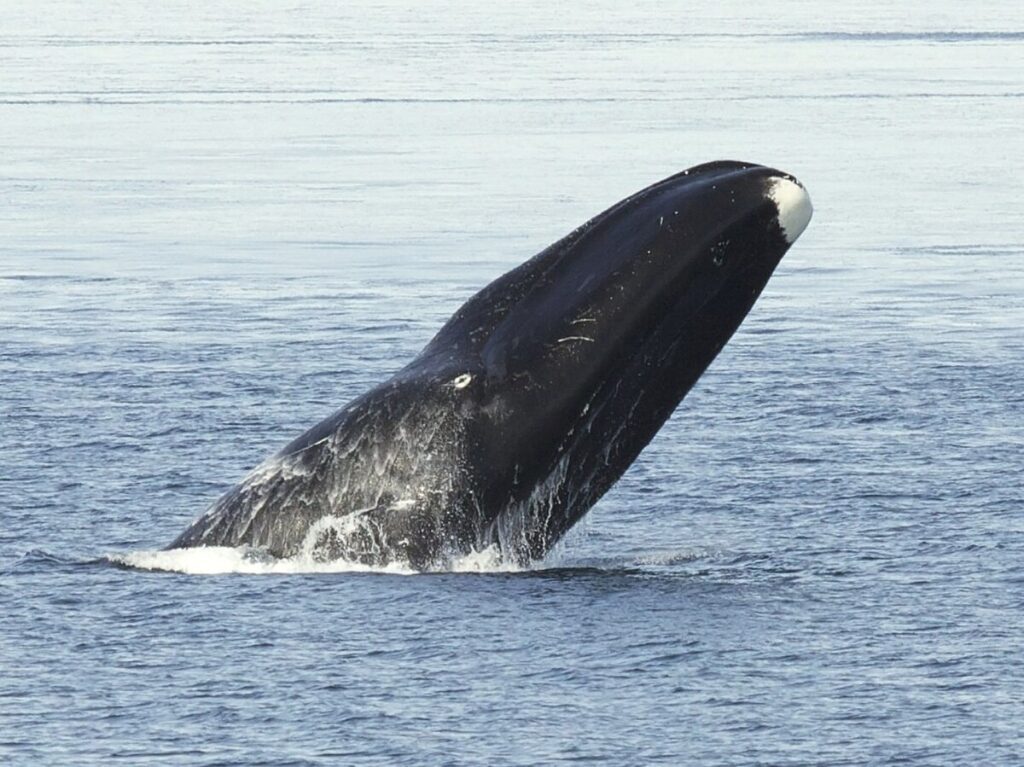
…Just like songbird diversity is a well-known index for population viability, the diversity and complexity of songs in bowheads can serve as an indicator of the impact of rapidly encroaching development in the Arctic.
正如眾所周知鳴禽多樣性是悠關族群生存的指標,弓頭鯨歌唱的複雜性,也可以當作在北極濫捕濫殺快速發展之下,對弓頭鯨所造成影響大小的指標。
These insights have been made possible with the use of digital recording devices, combined with powerful automated computational techniques based on artificial intelligence. Contemporary whale research is a paradigmatic example of the advantages of interweaving supercomputers with ecology. Cetaceans spend the vast majority of their time deep beneath the waves, which poses a particularly tricky challenge for tracking. On land, animal researchers can spend years observing the behavior of gorillas, orangutans, or lions — whether by watching in secret or familiarizing the animals to their presence. Ocean research is more challenging: boats can’t be hidden, and scientists can’t follow whales on their deep dives, which can be up to 6,000 feet below the surface. These challenges were, until recently, too daunting for scientists to overcome. Devices like DTAGs open up the hidden world of whale behavior, and also provide valuable insight into ecosystem conditions in the depths of the ocean where humans rarely venture…
利用數位錄音機加上超強人工智慧的自動運算科技,這些深入的見解已經可以被證實。當代的鯨豚研究,把超級電腦用於生物學,是善用科技的範式之一。鯨目動物大部分的時間是待在深深的海底,這在追踪上就是一個很棘手的挑戰。在陸地上,動物研究者可以透過多年的觀察,不管是大猩猩,紅毛猩猩或獅子,可以偷偷地觀察或逐漸接近而熟悉它們。海生生物的研究則更有挑戰性:船藏不起來,而且科學家無法跟鯨魚一起潛入深海,那是可能深達6000英呎的海底。這些挑戰,一直到前一陣子,都令科學家望而生畏而且感到無法克服。現在有像DTAGs這種錄音的裝置,打開了鯨魚活動的隱藏世界,並提供了深海中人類很難親身去探究的生態系統的狀態,令人得以獲致深入的見解……
…We are now able to perceive the ocean like whales do, through our ears rather than our eyes. Bioacoustics devices thus function like a digital translation device, enabling us to perceive the soundscapes and interpret the songs of those dwelling under the waves.
……我們現在已經能夠像鯨魚一般去理解海洋,雖然是用我們的耳朵而不是我們的眼睛。生物聲音的裝置,扮演類似數位翻譯機的角色,讓我們可以感受到聲音的場域,而且可以解讀,那些棲息在海中的生物所唱出歌聲的意義。
讀後
有鑑於鯨豚數量的大量減少,而有些種類瀕於滅絕,International Whaling Commission(IWC) 在1978年直接禁止了北極地區任何弓頭鯨(Bowheads)的獵捕,這對世居在阿拉斯加,屬於因努伊特人(Inuit)其中一支的因紐皮雅特人(Iñupiat)的生計,造成莫大的影響。
對因紐皮雅特人而言,弓頭鯨全身都是寶。只消獵得一頭弓頭鯨,就可保全村一年的豐衣足食。
弓頭鯨的肉和鯨脂(blubber)富含蛋白質和營養素,尤其是其中的維他命C,是無生鮮蔬果的北極居民攸關性命的營養素。
鯨的魚油可燃燒產生熱量,也可用來照明。
鯨鬚(Baleen):可以做成皮帶、(愛斯基摩)小船(kayak)的架子、鯨叉(harpoon)的魚線、製作雪橇(sleds)的材料。
鯨皮:做為鼓面或裁製成衣服。
鯨肋骨(Rib bones )和顎骨(Jawbone):屋頂或帳架。最大枝的肋骨,則往往放在地上形成一個大拱門,當作是一個家庭或社區空間的界線入口。
鯨椎骨(Vertebrae) 及其他骨頭:製成工具的材料,或做成護身符(amulets)
對因紐皮雅特人而言,弓頭鯨既是他們的生活,也是他們的文化,他們認為自己就是鯨魚,也是他們的生命。
因紐皮雅特人捕獵弓頭鯨,不透過現代化的設備,只划著小皮船kayak,悄悄接近。
他們仔細聆聽鯨魚的聲音,他們認為重點不是取巧的獵殺,而是要和弓頭鯨溝通,讓它們願意獻出自己的身體(生命)。
經過世世代代和弓頭鯨的親密共存的經驗,他們認為形成1978年禁令的科學觀察是不完備的,因為那只是透過陸上的觀察輔以海上的無人機,低估了弓頭鯨的實際數量。因紐皮雅特人認為,透過他們在地的聆聽,很多弓頭鯨是游在冰蓋下面的,數量遠遠大於當時科學家所聲稱的。
因紐皮雅特人因此自力救濟,成立了自己的研究團隊,延聘專家科學家,進行在地的監測研究。
康乃爾大學的首席生物聲音研究家Chris Clark認為,因紐皮雅特人的Barrow村附近,是鯨豚十分有利的棲地。
把地圖攤開來看,Barrow村正是海洋生物遷徙的輻輳地區,在白令海峽(Bering Strait)北方開口的東側。
春天來的時候,冰線往北撤,北極較冷的海水向上湧動,把深海中的營養物質帶上來,加上南方前來的溫暖洋流。當地形成了大量的游游植物(phytoplankton),這些大量的游游植物又餵養了大量的浮游生物(zooplankton)。而Barrow村附近的Barrow Canyan,這個海中的山谷,就正是這樣一個多產富饒的地方,是弓頭鯨年度遷徙的一個目的地,他們透過濾食浮游生物,在那兒應該會出現很多才是。
透過因紐皮雅特人的協助,科學家冒險前往冰層上佈下聲音監測器,有些放在冰層的邊緣,有些則選擇在較薄的冰層鑿洞把儀器墜入水中,如此24小時監測鯨豚的聲音,凡四個月。
從各種資料的累積和分析顯示,結果證明因紐皮雅特人的傳統在地智慧是對的。
原來科學家認為冰下無法透氣應該沒有弓頭鯨,實際觀察並不是如此。弓頭鯨會選擇撞破較薄的冰層出來透氣,而在那附近散出的魚也會吸引海鳥前來就食,這解釋了為什麼在冰下會有弓頭鯨了。
2018年,IWC終於認可了因紐皮雅特人所組織的研究成果,恢復了因紐皮雅特人為了自己的生計而繼續進行弓頭鯨狩獵的傳統文化。
…The science of bioacoustics provides a novel means of exploring what the Iñupiat and other traditional whaling cultures have long been saying: creatures other than humans are capable of complex communication and possess rich social behaviors, which are intelligible to humans who choose to pay attention.
聲音的科學提供了一種神奇的探索方法,就像因紐皮雅特人和其他傳統捕鯨文化所主張的:人類之外的其他生靈也是能夠從事複雜的溝通的,而且他們也擁有豐富的社會行為,其理甚明,我們人類應該注意傾聽他們才是。
結論
如果說人類是萬物之靈,那麼不是因為人類的自大,不然就是因為人類的無知。
或許,更公允的說法是:萬物都有他的靈,人類只是芸芸眾生之一。人類本身,有很多不靈的地方。所以,要敬畏天地,不要再說人定勝天了。
*:Karen Bakker, “Sounds of Life,” 2022, Princeton University Press
P.S. 照片來自維基百科,原始檔案由Bering Land Bridge National Preserve提供
2024/5/23 The Singing of Ocean Damakey
