
However they are caught, before the end of the day the birds will be cooked in hot oil, dusted in salt, and served-usually whole, the bare head still attached- clandestinely in homes and local restaurants. The dish is known in Cyprus as ambelopoulia; aficionados chomp down each small morsel in a few bone-and-guts-crunching bites.
不管鳥是怎麼抓到的,到了晚上,用熱油熟炸,灑上鹽粒,然後上桌。通常是整隻,拔光毛的頭都還連在身體上面,秘而不宣地端上住家或地方小旅館的餐桌上。這道菜在賽浦路斯稱為「安貝洛普利亞」 (ambelopoulia),喜愛者只消幾口含骨連帶內臟就把每隻小鳥狼吞虎嚥地吃完了。
Ambelopoulia and songbird trapping are old traditions in Cyprus, something passed down generationally and conducted mostly with lime sticks, which while gruesome are not as ruthlessly efficient at catching large numbers of birds as the mist nets that trappers increasingly favor. For an island less than two-thirds the size of Connecticut, the toll that ambelopoulia trapping exacts on the migrants of Cyprus is staggering.
「安貝洛普利亞」這道菜和捕捉鳴禽是塞浦路斯的傳統,代代相傳,主要是用沾了黏液的枝條黏鳥,但比不上可以抓上大量鳥類既殘酷又有效率的霧網,因此後來捕鳥的人都比較喜歡用霧網。就一個面積只有美國康乃狄克州三分之二的小島(按:面積9,251平方公里),捕候鳥來烹調「安貝洛普利亞」這道菜所造成的損害程度,令人感到難以置信。
BirdLife estimated in 2016 that trappers were killing between 1.3 million and 3.2 million birds annually in Cyprus, making this small island one of the worst places in the Mediterranean for such slaughter—in fact, Cyprus is the worst on a per capita basis, given its relatively light human population. It also holds three of the dozen worst killing sites anywhere in the Mediterranean, which between them account for as many as 2.3 million dead songbirds each year.
BirdLife在2016年估計,每年在塞浦路斯捕殺的鳥介於1.3-3.2百萬隻,使得這個小島成為地中海地區最糟糕的鳥類屠場之一。其實,因為塞浦路斯人口相對稀少,平均每人的捕殺數就是最高的了。地中海12個鳴禽被捕殺得最厲害的地區之中,塞浦路斯就佔了其中的3個地方。這12個地區,每年有高達2.3百萬隻鳴禽被捕殺。
But Cyprus is far from the only death trap. Syrians illegally kill 3.9 million birds a year, while the annual carnage in Lebanon is 2.4 million, and Egypt another 5.4 million birds (though the BirdLife researchers admit the true number in all these places could be almost twice as high). If that seems somehow unsurprising for such battle-scarred and troubled corners of the world as Syria and Egypt, consider that arguably the single most dangerous place to be a bird in Europe is actually in peacefully civilized Italy, where some 5.6 million passerines are killed each year, the ingredients for traditional dishes like mumbut, spited and grilled songbiras, or polenta osei, which in is traditional form is cornmeal mush topped with whole grilled birds. The French gobble another half a million birds or so- thrushes, for example, lured with scarlet clumps of rowan berries and strangled by simple nooses of horsehair, a trapping specialty in the Ardennes region near the Belgian border, where some 100,000 thrushes die each year as French authorities turn a blind eye.
但是,塞浦路斯並非唯一的死亡陷阱。敍利亞每年非法捕殺3.9百萬隻鳥,黎巴嫩每年殺了2.4百萬隻,埃及每年5.4百萬隻。(BirdLife的研究員坦承,在這些地方鳥隻被捕殺的真正數目,可能是前述估計數的2倍)。在飽受戰火蹂躪位於苦難角落的敍利亞和埃及,這似乎不出大家意料之外,但是最具爭議的是,在歐洲對鳥類最危險的地方,竟然是歌舞昇平的文明社會義大利,每年有5.6百萬隻燕雀被捕殺,成為義大利傳統美食mumbut、spited and grilled songbiras、polenta osei等的食材,傳統的吃法是在玉米糊麵上綴以烤全鳥。法國人則是吃了另外大概50萬隻鳥,以抓畫眉鳥為例,他們用腥紅色歐洲花楸漿果吸引加上馬毛製成的圈套,這種陷阱是接近比利時的亞爾丁省地區的特別做法,在那兒每年有100,000隻畫眉鳥被捕殺,但是法國當局卻視而不見。
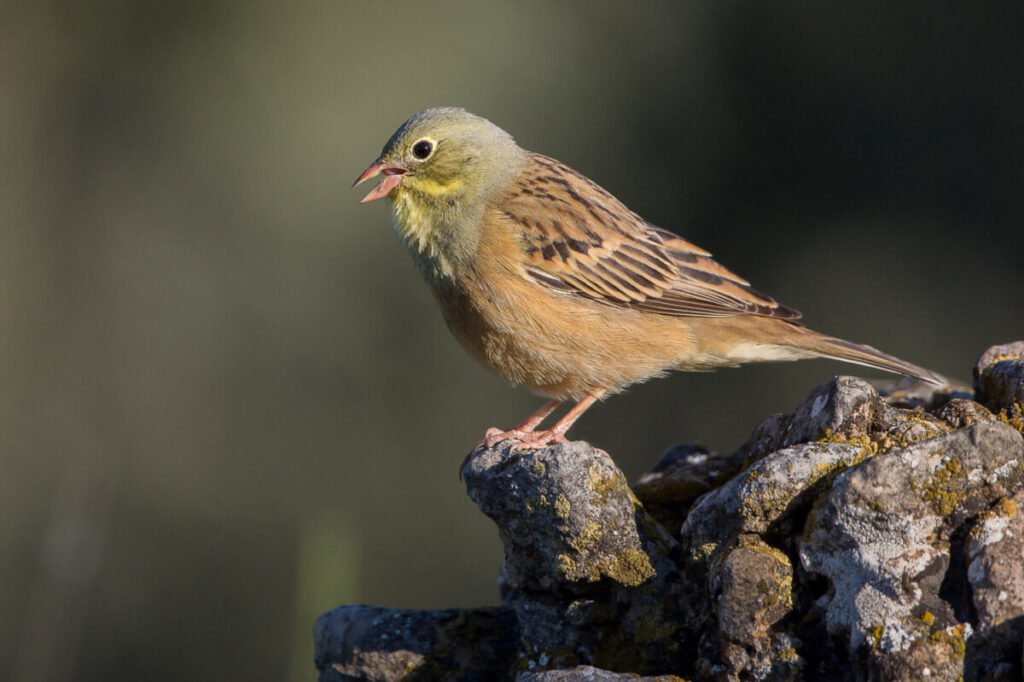
Most famously, though, the French have long relished the ortolan bunting, a handsome, six-inch-long bird with a peach-colored breast, pale yellow throat, and dark mustache marks; yellow eye-rings give it a slightly startled expression, but the French traditionally revered the ortolan for its meat, not its appearance. Trapped in August and September on their way to Africa and kept in the dark to scramble their natural rhythms (at one time, they were blinded to accomplish the samé thing), the birds feed constantly until they are bulging with fat, then are drowned in Armagnac brandy, plucked and baked whole in a sizzling hot earthenware cassole. The diner—head and shoulders draped with a large white napkin, allegedly “to hide from the sight of God” but more practically to trap the aromas and block any splatter— severs the head with a snap of the front teeth, then chews the rest of the bird in a cascade of searing grease and juices, grinding up bones and all. It is considered the epitome of traditional French gastronomy.
最有名的(最惡名昭彰的)是,法國人長期以來對圃鵐的迷戀。圃鵐是6英吋長(約15公分)的漂亮鳥兒,有桃色的胸脯、淡黃色的脖子、深色的鬍渣,黃色的眼環表現出好像吃驚的神情,但是法國人傳統上是把圃鵐當肉來吃的,他們並不是欣賞它們漂亮的外表。在八、九月間,當圃鵐往非洲飛的時候,加以誘捕然後關在暗室來混亂鳥的自然時差(曾經一度的做法,是弄瞎圃鵐的眼睛來達到同樣的效果),接著圃鵐被不斷餵食,直到身體膨脹充滿脂肪為止,之後浸入亞文邑白蘭地中淹死,拔完毛整隻放在滋滋作響的熱砂鍋中燒烤。食客在吃這道菜的時候,頭和肩膀會用一個很大的白餐巾罩住,據說是為了「躲避上帝的眼睛」,而其實是為了把那道菜的香氣聚攏起來,並且防止汁液到處噴濺。吃的時候,用門牙把鳥頭咬下來,然後咀嚼剩下的鳥身,不斷流著油脂和汁液,連鳥的骨頭都全部一起咬碎吃下。咸認為這道菜是法式美食的縮影。
Former French president François Mitterrand, dying of cancer in 1996, ate two ortolans as part of his last meal, refusing all else thereafter until he died eight days later. The late Anthony Bourdain called ortolan “the grand slam of rare and forbidden meals,” and recounted an illicit dinner with a number of fellow gourmands: “With every bite, as the thin bones and layers of fat, meat, skin and organs compact in on themselves, there are sublime dribbles of varied and wondrous ancient flavors: figs, Armagnac, dark flesh slightly infused with the salty taste of my own blood as my mouth is pricked by the sharp bones.”
前法國總統密特朗在1996年死於癌症前夕,吃了兩隻圃鵐當作他死前的最後一餐,在那之後他就拒絕再吃任何其他東西直到8天之後去世。美國名廚安東尼‧波登(Anthony Bourdain)稱圃鵐料理是:「稀有而且禁忌的大滿貫食物」,他回想和幾位美食家同好在一個天理不容的餐會吃圃鵐的情景,「每一口,薄薄的骨頭和脂肪、肉、皮、內臟等等層層緊密疊在一起,昇華流淌著各種奇妙的原始風味:無花果、亞文邑白蘭地,暗色的鳥肉充滿了我的嘴巴被鳥骨刺破流血而散佈出來鹹鹹的味道。」(按:安東尼‧波登在2018年自殺身亡,享年61歲)
Ortolan has, on paper at least, been protected in France since 1999, but the law has been largely ignored, especially in Landes, in southwest France along the Atlantic coast, where the cult of the ortolan is strongest. Trappers there use a rig known as a matole, which features a live ortolan in a central cage to act as a decoy, surrounded by up to 30 or more small wire drop-cages baited with grain. Until recently, as many as 300,000 ortolan buntings a year were being taken, each fetching as much as 150 euros (about $175) on the black market. Even though the ortolan kill has declined in recent years, the species’ numbers have dropped like a stone. This is especially true of the small and increasingly fragmented population that breeds in western Europe and migrates through France, which has fallen more than 80 percent since 1980, faster than any other European songbird.
圃鵐從1999年開始,就已經在法國列入保護,但是那只是官方的文書,在執法上基本是被忽視的,尤其在朗德省,位於西南法濱臨大西洋岸的地方,圃鵐料理的文化依舊興盛。當地捕鳥者用一種叫做斗篷(matole)的設備,中間有個籠子放了一隻圃鵐來吸引同伴,旁邊環繞著30個或更多放了穀物作為誘餌的小籠子。直到最近,每年高達300,000隻圃鵐被捕殺,每隻在黑市可售得150歐元(約美金175元)。雖然圃鵐被捕殺的數量在近年來有減少,但那個鳥種的數量已經直線下墜。最嚴重的是那些在西歐孵育而分群數量更少但飛越法國的鳥,從1980年至少,已經少了80%,減少的速度遠遠快於其他的歐洲鳴禽。
That is just one species out of scores that are targeted. In all, conservationists calculate, between 11 million and 36 million birds— songbirds, waders, ducks, quail, storks, raptors, basically anything with feathers-die each year during their migration through the Mediterranean basin. Only two countries in the region, Gibraltar and Israel, are relatively free from the problem. To this must be added the legal killing of migrants, not just traditional game species like waterfowl but enormous numbers of songbirds. Although the European Union’s 1979 Birds Directive—the oldest conservation legislation in the EU-generally bans such killing, the union has issued what are known as “derogations,” basically exemptions. Firm numbers are hard to come by, but Bird Life estimates that another 1.4 million birds are killed legally, including almost half a million finches and almost 300,000 thrushes. Cyprus, when entering the EU, negotiated the right to continue to hunt half a dozen species of thrushes with shotguns for traditional Christmas meals. Taken together, it’s sometimes hard to imagine how any bird makes it out of Europe alive.
這只是我們關心的目標鳥類群中的一個種而已。保育人士估計,共有1千1百萬到3千6萬隻鳥在每年遷徙經過地中海地區被捕殺,它們是鳴禽、涉禽、鴨、鵪鶉、鸛、猛禽,幾乎包含了所有長羽毛的。在這個區域只有兩個國家對鳥是安全的:直布羅陀和以色列,比較沒有捕殺鳥類的問題。除此之外還要加上候鳥合法捕殺的數量,不只傳統的休閒狩獵的物種如水禽,還包括數量龐大的鳴禽。雖然歐盟的「1979 Birds Directive」法令,最早的歐盟保育立法,基本上已經禁止捕殺任何鳥類,但是歐盟也頒發了「derogations」也就是又核准了捕殺。精確的數字很難產生,但根據Bird Life 的估計,另外有1百40萬隻鳥是合法捕殺的,包括近50萬隻的雀類和30隻的畫眉鳥。塞浦路斯在加入歐盟的時候,就爭取到核准可以為了傳統的聖誕大餐繼續用槍枝獵殺大約6種畫眉鳥。
Conservationists-watching with growing alarm as the populations of almost all European migrants have cratered-are pushing back hard against the killing. In Cyprus, at least, they have made great strides in just the past few years…
保育人士在觀察到歐洲候鳥族群數量崩跌的警訊,持續強化推動禁止捕殺的行動。至少在塞浦路斯,已經在過去幾年得到大幅的進展…..
..Despite the black-market money, the 15 million tax-free euros that bird-trapping brings in, the allure of ambelopoulia may already be fading in some quarters, as Cypriots become more urban and less tied to rural traditions. For more and more of them, the idea of paying a premium price for a plate of small birds seems absurd and old-fashioned…
雖然黑市可以帶來1千5百萬歐元的免稅收入,這仍然還是一個問題,但是隨著更多地方的人士對「安貝洛普利亞」這道「鳥菜」漸漸失去興趣,而塞浦路斯人也因為愈來愈都市化而不再和地方傳統綁在一起。愈來愈多人就會覺得,付出那麼高的代價只是為了吃一盤小鳥,是荒謬而且是太老派的行為了。(這些是對候鳥的好消息)。
*:Scott Weidensaul, “A World on the wind,” 2021, W. W. Norton & Company, Inc.
P.S. Ortolan 圃鵐照片來自維基百科,By Pierre Dalous – Own work, CC BY-SA 3.0
2024/2/7 躲避上帝的眼睛 to hide from the sight of God Damakey
