
存在主義大師沙特(尚-保羅·夏爾·艾馬爾·沙特, Jean-Paul Charles Aymard Sartre, 1905—1980) 認為,人是全然自由的,他可以自己做決定。
The religious objection to existentialism doesn’t take much explanation: Sartre completely denies the presence of any omnipotent God that watches over us or judges our actions. To Sartre, we’re born out of nothingness—poof!—and then it’s entirely up to us what we are and do, and then we die-poof!—and that’s it. Nothing “guides” us, we’re not following any playbook from religion or spirituality or anything. All we have, and all we ultimately are, is the choices we make while we’re alive. The belief that we exist before there’s any meaning attached to our lives is a condition Sartre calls “subjectivity,” and explains by saying: “Existence precedes essence.” The most important conclusion it leads him to is this: if there’s no giant structure that fills the world with any kind of meaning before or after we exist, then: “Man is responsible for what he is.”
宗教界當然反對存在主義。
沙特說上帝已死。人在出生之前沒有意義(nothing),死後也沒有意義。
他說存在先於本質,因為人的本質,一個人會變成怎樣,是存在之後(出生之後)各種選擇所造成的,所以人必須完全為自己會變成怎麼樣的人負責。
……
阿爾貝·卡謬(Albert Camus, 1913—1960)把存在主義說得更絕。沙特雖然說人要自己做決定為自己負責,但他主張所做的決定要考慮做為別人的榜樣。卡謬則不然。
Camus broke down his version of existentialism (which, again, he denied it was, blah blah blah) this way: Humans desire meaning from the universe, but the universe is cold and indifferent and denies us that meaning; in fact, nothing “means” anything, really, or at least nothing is more “meaningful” than anything else. So we’re just little specks of nothingness on a big dumb rock floating in space, desperately searching for something we’ll never find, and thus, the human condition is fundamentally absurd.
卡謬說宇宙是沒有意義的。我們人類只是飄浮在太空中的一顆大石頭上一撮沒有意義的東西。我們渴求從中尋找意義,但是卻發現遙不可及。所以,人類所處的狀況,基本上是荒謬的(absurd)。
…Camus says we have three choices.
1. We can kill ourselves.
2. We can embrace some kind of structure—religion, family, work, anything—and find meaning in it.
3. We can acknowledge the fundamental absurdity of human condition, and just kind of exist within it.
面對人類荒謬的境地,卡謬認為人可以有三種選擇:1. 結束自己的生命,2. 從宗教、家庭、工作等等地方去尋求人生的意義,3. 承認荒謬並處之泰然。
……
而其實在卡謬的心裏,認為人類只有第三種選擇,承認荒謬並與之共處。
他特地舉薛西弗斯的神話 (The Myth of Sisyphus),來說明庸庸碌碌的人類,就有如薛西弗斯一樣,反覆把滑落的石頭推向山頭,那是多麼荒謬而沒有意義的事。
……
像沙特和卡謬這些存在主義者所主要主張的,就是所有的都是我們自己的決定,我們自己要負責。縱使我們撒手不做決定,那也是一種決定。宗教、家庭、工作或任何其他的事項。都不能當作我們為什麼做了那些決定的理由。
存在主義主張的,是要人類自己一肩挑起所有的決定。這和宗教界的人,主張大家把重擔放下來交給上天或上帝,非常不同。從這個角度看,存在主義不可謂不沈重。
…..
人真的能自由(free)做所有的決定嗎?
約翰·羅爾斯(John Rawls,1921-2002)在《正義論》(A theory of Justice)這本書中,包含了一個非常重要的道德概念,無知之幕(veil of ignorance)。
羅爾斯設想公民若處在「無知之幕」下,他們將對自己所擁有的技能、品味、和地位於當社會的情況一概不知,此情境會促使公民基於一定的原則分配權力、地位、和社會資源予他人。(~維基百科)
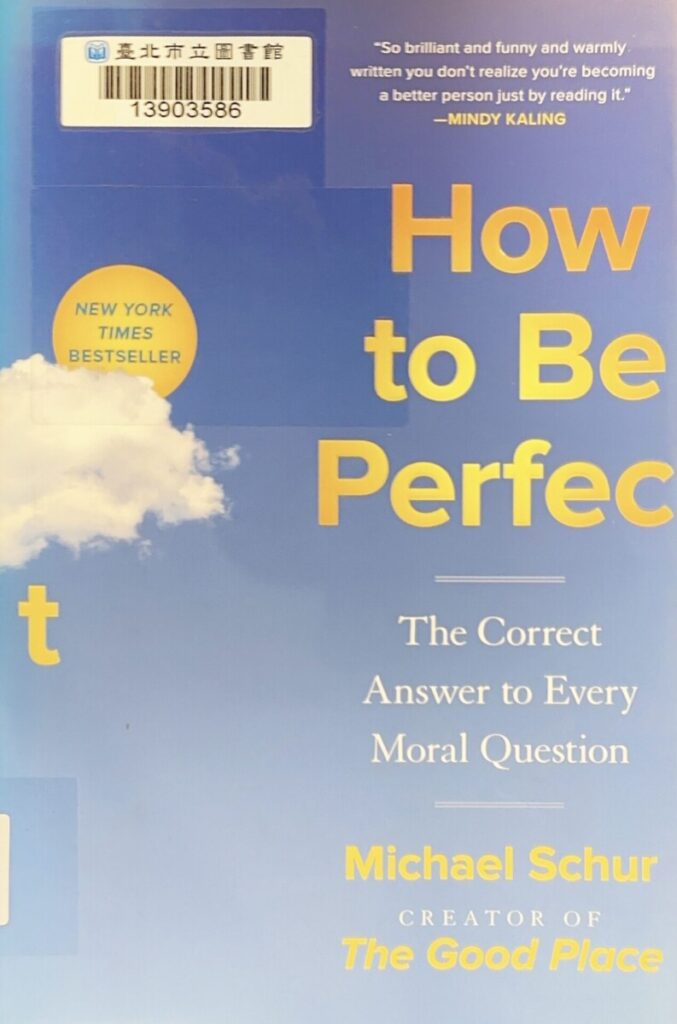
《How to be perfect 》這本書舉一個例子,怎麼在2個孩子間公平地分一塊蛋糕呢?容易,讓其中一個來切,然後讓另外一個先選。
然而,現實的社會,往往是由更優勢的人來決定怎麼分配的。
人並不是生而平等,有人生於窮困,有人則含著金湯匙來到這個世界。
台灣偏鄉的孩童,站在泥土地上做決定;台北市信義區的孩童,則站在富有的父母巨人的肩上做決定。城鄉差距來描述太簡化,現代的階級制度看來比較可以形容。
而隨著資產價格的飊漲,年輕人生活更困難,他們覺得未來沒有希望。家無恆產白手起家的年輕人,和握有資產坐擁投資收益的人,也形成了不同的階級。台灣年輕人選擇的自由,大大受限,要求改變的聲音,已經無法忽視。如果年輕努力工作僅能糊口,我們不能說他們不努力,而非常可能是運氣不好,至少沒有能生在台灣經濟起飛的年代。
華倫·愛德華·巴菲特(Warren Edward Buffett,1930-)在承諾捐出99%的財富來做慈善時,這位大家心目中的投資之神,坦誠他的成功並非完全是他一己的努力'更多是來自運氣和出生:
My wealth has come from a combination of living in America, some lucky genes, and compound interest. Both my children and I won what I call the ovarian lottery. (For starters, the odds against my 1930 birth taking place in the U.S. were at least 30 to 1. My being male and white also removed huge obstacles that a majority of Americans then faced.)
我的財富歸因於:我生在美國、幸運有好基因、加上財富複利的累積。我和我的小孩都中了「卵巢樂透」(投胎在好人家)(對白手起家的人而言,生於1930年的美國,對我而言至少有30倍的不利。但是我生為白人又是男性,則避免了大多數美國人在成功之路上會碰到的各種巨大障礙。)
……
再看看Bill Gates的例子
Most of us would never have heard of Microsoft if any one of a long sequence of improbable events had not occurred. If Bill Gates had been born in 1945 rather than 1955, if his high school had not had a computer club with one of the first terminals that could offer instant feedback, if IBM had reached an agreement with Gary Kildall’s Digital Research, or if Tim Paterson had been a more experienced negotiator, Gates almost certainly never would have succeeded on such a grand scale.
大意是說,Bill Gates如果不是生而逢時,而且同時碰上一系列的好運道,Microsoft 就不是Microsoft;Bill Gates 也不會是Bill Gates了。
……
英雄造時事?不如說,時事造英雄吧!
所以,成功的人、擁有龐大財富的人,像Warren Buffett和Bill Gates等,他們都知道那絕非僅憑一己之力就可以造就的,而是因爲站在了巨人的肩膀上(出生在好的人家、受良好的教育、適逢其時的好運道…… )。他們知道自己不是天選之人,所以他們處世謙卑,願意分享回饋,懂得感恩。
沙特和卡謬,要我們一肩扛起身而為人的責任,百分之百為自己的選擇負責,不可謂不沈重。
由於現實的各種不公平,羅爾斯的「無知之幕」(veil of ignorance), 提醒了我們,每個人在做選擇時的自由度是不同的。對於較弱勢的族群,我們要多分配一些資源給他們,而且我們要有更多的同理心,因為他們不必然不夠努力,而且經常都不是,而是因為天生在社會中的地位(階級),老早就讓他們不止狠狠輸在起跑線之上,而是狠狠輸在抵達起跑線之前了。
《How to be perfect 》這本書講的是道德,重點就是針對比較弱勢的人,我們不能把強勢者的道德標準強行加上他們的身上。
「倉廩實而知禮節,衣食足而知榮辱」(~《管子·牧民》)大概也是同一個道理。
……Do we have to return our shopping cart to the rack? ……If we can even afford to be asking what we should do here, it probably means we’re pretty lucky people. We have a car full of groceries— and thus a functioning car— and the luxury of posing philosophical questions, instead of having to think only about our health or safety or where we’re going to find our next meal. If we determine that relative to others we’re lucky, which means we can afford to do a little extra, then we should do a little extra…….There are billions of people for whom that isn’t the case, so we have a duty to pick up the slack. Do a bit more than we’re ethically required to do. Pay back the gods of luck. And if we’re not lucky—if life has dealt us a series of blows that mean our internal batteries are running at 1 percent and we’re barely scraping by, well, we fall back on those contractualist rules—we do whatever we can to address the minimum amount we owe to each other.
勿以善小而不為,如果可以,多付出一些些,多做一點點,譬如把賣場的購物車推回到架子上,縱使那不是道德上的要求。
我們可以用小小的善意,回報幸運之神,讓我們擁有的諸多小小確幸。
*: Michael Schur, 《How to be perfect》,2023,Simon & Schuster
2024/12/27 How to be perfect Damakey
