
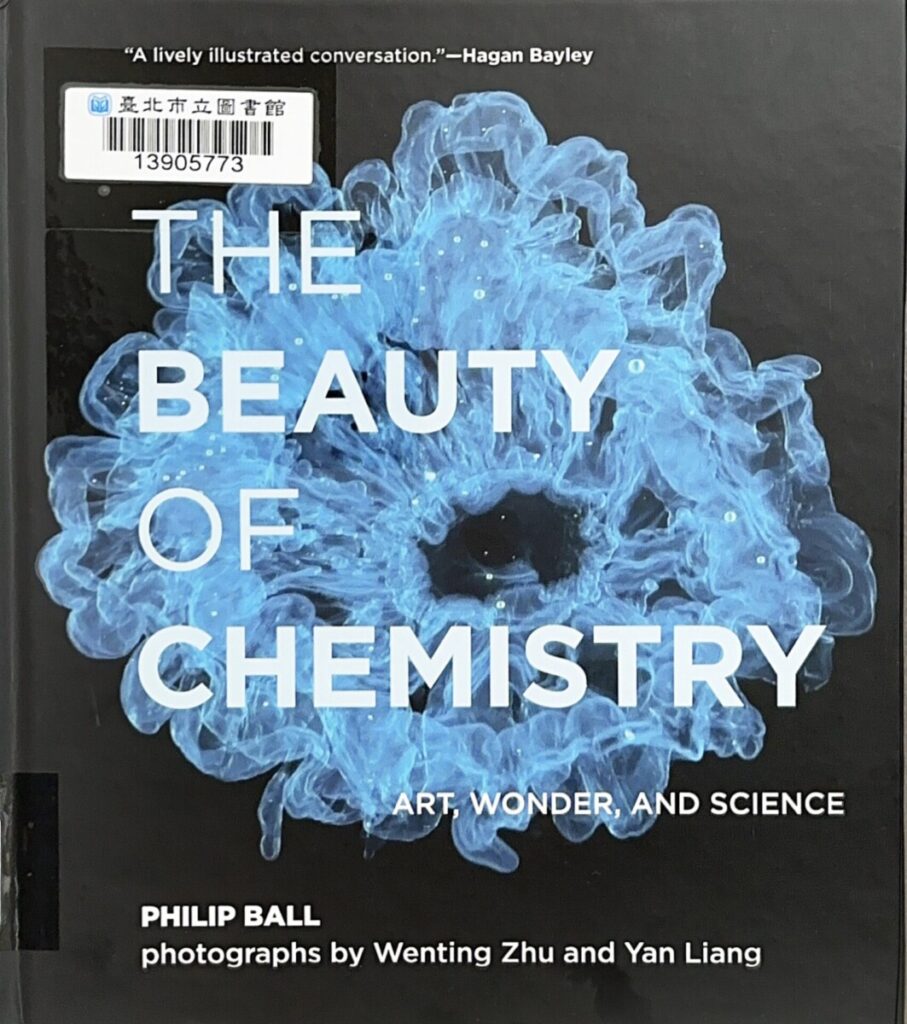
“…Color in the living world tends to serve a purpose. It might send out a warming signal: easily spotted yellow-and-black stripes advertise a creature’s toxicity or danger sting to would-be predator. Conversely, colors markings might convey a come-hither message. They are widely used for sexual display; it is no mere figure of speech that makes us deride ostentatious dress as “peacocking.”(This tendency to parade in bright colors is almost universally confined to males in the animal kingdom, and no one knows why in many modern human societies it works the other way round.)”*
在生物的世界,顏色一般都是有特定的意義。它可能是一種對掠食者充滿警告意味的訊號,譬如黃黑相間的條紋代表有毒或危險的叮螫。而相反的,顏色構成的圖像,可能表示歡迎接近的意思。它們經常被用來展現性吸引力,譬如穿著的浮誇華麗,它主要要達到的目的,遠遠超過表面上的炫耀。
“Colors may be arranged into ingenious camouflage, either by blending the hues and texture of an organism with those of its environment — as in the aptly named dead-leaf moth—or by dazzling and confusing predatory eyes with striking designs such as high-contract stripes…
Animal markings can help members of a species recognize on another, preventing wasteful attempts at cross-species mating; some butterflies spot potential partner this way…”
顏色可以產生巧妙的偽裝,可以透過改變色調和表面的質地來貼近環境,譬如枯葉蝶;或者,用高反差的條紋迷亂、困惑掠食者的眼睛。
“…our eyes are sensible to chromatic distinctions, especially in the red-yellow-green range. Our primate ancestors would have needed not only to spot edible fruits and berries among the foliage but also to distinguish the hues that indicate ripeness from those that might leave the incautious forager with a stomach ache…”
我們的眼睛擅長分辨色彩,尤其在紅、黃、綠這個可見光的範圍。我們靈長類的祖先,不只能夠在綠葉中找到可以吃的果子,還能從色調中分辨出哪些果子是已經熟了。
“In many animals, particularly mammals, the color palette is in truth not terrible broad or exciting. Most coloration of hair and skin comes from a class of pigment molecules called melanins, which vary slightly in their molecular structures to give a range of hues from tawny to red, brown, and black. “
在動物之中,尤其是哺乳動物,身體的顏色並不豐富。我們的毛髮和皮膚的顏色,主要來自黑色素,透過它分子結構的細微改變,產生褐色到紅色、棕色、黑色等等的各種色調。
“Plants have a much diverse array of pigments. Their foliage is green by chlorophyll, …absorb sunlight strongly in the red and blue parts of the spectrum, leaving the green to be reflected. The energy of the absorbed light drives chemical reactions that convert carbon dioxide to sugar, which are used both for metabolism in the plant cells and to construct the cellulose polymers that make up plant cell walls and fibers.”
植物則有各種不同的顏色。
葉子的綠色來自葉綠素,它會吸收紅光和藍光的部分,而沒有吸收的綠光反射了出來,就成為我們看到的顏色。
從光線吸收到的能量,促進光合作用,把二氧化碳轉化為醣類,用於植物細胞的新陳代謝,形成纖維聚合物,進而打造植物的細胞壁和纖維組織。
“The yellow and red colors of plants and flowers are generally produced by pigments call carotenoids, which soak up blue and green light…Carotenes have a molecular structure more or less equivalent to two molecules of the pigment retinal(a form of vitamin A) joined end to end. Retinal is the light-absorbing molecule in the retina of the eye, where it is chemically attached to proteins called opsins: light-activated molecular switches that initiate a nerve signal being sent to the brain’s visual cortex. Animals produce retinal mostly by snipping plant-derived carotenes in two in the gut…”
植物和它的花的黃色及紅色部分,一般是類紅蘿蔔素,它會吸收藍光和綠光……
類紅蘿蔔素的結構和視網膜上有兩個分子的色素(一種維他命A)很像。視網膜上的色素分子會吸收光線,轉化為神經訊號,傳到視覺皮質進行判讀。
動物視網膜上所需的色素(葉黃素),主要是透過食用植物來攝取。
“The third major class of plant pigments are the anthocyanins, which typically absorb mostly green light, as well as a little blue, imparting therefore a red color…”
植物色素的第三種主要來源,是花青素,它會吸收綠光、一部分的藍光,因此讓植物看起來是紅色的。
“When leaves begin to wither in the autumn, their chlorophyll molecules decay faster than the carotenoids and anthocyanins. As the leaves thereby lose greenness, the yellows, oranges, and red which had always lurked unseen beneath the verdant surface, are revealed…anthocyanins…are thought both to slow down the harmful chemical processes associated with leaf aging and to help the plant as a whole retain nitrogen…”
秋天,葉子開始凋萎,葉綠素比類紅蘿蔔素及花青素還快被破壞。葉子失去綠意,潛藏在下面的黃色、橘色及紅色,就會顯露了出來。
花青素可以減緩葉子老化產生有害化學物的速度。另外,花青素也會防止氮的流失,…..(有助保留來年新長葉子所需的元氣)
“…some plant pigments have proved to be excellent dyes. One used since ancient times is indigo, a blue substance found in the leaves of plants of the indigofera family native ti the tropics, especially in the Indian subcontinent…”
有些植物可以萃取出很棒的染料,譬如靛藍植物(indigo),是在熱帶地區發現的木藍屬植物,長在印度半島上的尤佳。
“…Indigo was traditionally used to dye the cotton cloth made in the French city of Nimes, which became known as “serge de Nîmes—or “denim” for short…”
用靛藍植物做成的染料,以前在法國的Nimes小鎮用來染棉布,法文稱之為serge de Nîmes,意思是「尼姆(Nimes)的嗶嘰布(serge)」,簡稱denim,就是「丹寜(布)」。
“Another popular plant dye was madder red, extracted from the root of the madder plant. Here the colored substance is a compound known as alizarin,…it was the red used in the uniforms of the British “redcoats” in the eighteenth and nineteenth centuries. Red is often said to be a bold, martial color…was also good for military morale because it would disguise bloody injuries. Madder was one of the best dyes—a good batch would withstand sunlight and repeated washing without fading…”
茜草紅的植物染也很受到歡迎,萃取自茜草的根。發色的是茜草素。
英國在18、19世紀用茜草紅染軍服,據說可以提振士氣,因為受傷流血比較看不出來。
一般植物染,在光線照射下容易褪色,但茜草素的優點,是經久不褪色,而且也很耐洗。
“One flower that derives its color from anthocyanins is the hydrangea…These are not, however, flowers in the strict sense: the colored blooms are an “inflorescence,” meaning that they are made not from pedals but from modified leaves called sepals…”
繡球屬的「花」展現的顏色,就是花青素的作用。它們嚴格來說不是花,是花序的一部分,不是花瓣,而是葉子轉化成的萼片。
“…The pinks and blues both come from the same source: a single type of anthocyanin molecule called delphinidin. The differences in color result from tiny changes to this molecule depending on the acidity of the plant’s environment…The hydrangea’s pigmentation has the reverse color change to that litmus, being blue in acidic conditions and pinkish-red in alkaline(or neutral) conditions…”
繡球屬的粉紅色和藍色的「花」色,都是花青素中的翠雀素所造成。至於顏色是粉紅色或藍色,就由植物生長環境(土壤)的酸醶度來決定。環境是鹼性的,開紅色花;環境是酸性或中性的,開藍色花。和石蕊試紙對酸醶性的顏色反應剛好相反。
“…Blue colorants like commelin in cornflowers are …typically, alternating pairs of anthocyanins and flavones stacked together and arranged like pedals around the center “head” of a metal ion, as if they are themselves molecule-scale flowers…”
像鴨跖草般藍的矢車菊,分子層次的結構,基本上是花青素和黃酮交疊在一起,像中心有個金屬離子的微形花一樣。
“…In some other blue flowers, such as the Californian desert bell and morning glory, anthocyanin pigments are linked to other molecule groups by sugar molecules and stacked on top of one another like the two bread slices of a sandwich…”
像加州鐘型花和喇叭花的藍色花,則是由花青素及醣類分子相互交疊有若三明治一樣所形成的。
“…Hydrangeas…their delphinidin pigment changes its color depending on how much aluminum it binds…In neutral or alkaline soils, aluminum combines with hydroxide ions to form aluminum hydroxide, which is rather insoluble and so isn’t carried into plant by moisture.
Only if aluminum ions are available inside the plant’s tissues will the sepals go blue…”
繡球屬的「花」色,都是花青素中的翠雀素所含的鋁離子多寡而定。
在中性或鹼性的土壤中,鋁和氫氧離子結合為氫氧化鋁,不溶於水,無法被植物吸收。
植物的組織中必須含有鋁離子,那麼(翠雀素)就會使得繡球屬的「花」出現藍色。
“…researchers in China. They inject into rose petals an engineered strain of Agrobacterium bacteria that delivered two new genes to the plant. These genes encoded enzymes that convert a common amino acid in the pedals to a blue pigment related to indigo…When the bacteria were added to white roses, a blue color spread from the injection site—although it was rather patchy and faded quickly…”
中國的研究人員,用基因工程的技術,透過細菌把能將胺基酸轉化成藍色色素的酵素基因,送到白玫瑰的花瓣中,結果沿著注射的部位,暈開了藍色。只是只有一小塊,而且很快就褪色了。
“…evolution has enabled plants to modified pigment-making genes with gusto from just a few basic themes,…. So nature —a far more inventive and daring chemist than we human…”
植物本身的進化,使得它從幾個基本的主色,透過改變顏色的基因,可以產生出各種不同的顏色….. 所以啊,大自然比起人類,更有創意,而且是更勇於嘗試和改變的化學家。
*:Philip Ball, The Beauty of Chemistry, 2020, The MIT Press
2023/8/10 The Beauty of Chemistry Damakey
