
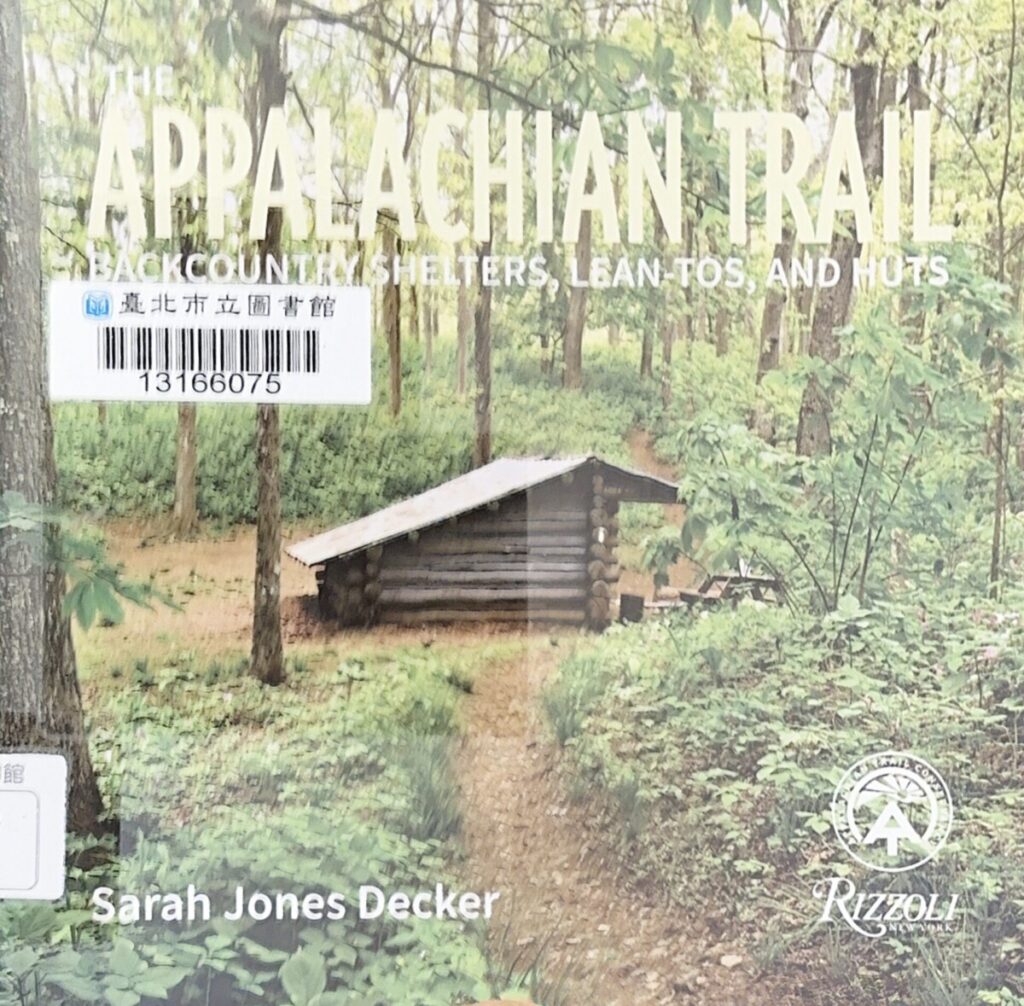
“More than just a dry roof over weary travelers, the shelters along the iconic AT provide a gathering place and a sense of community on America’s most famous footpath. Dotted an average every eight miles along the 2192-mile route, more than 270 backcountry shelters have welcomed hikers on a first-come, first-served basis since the beginning of the trail’s inception eventually completion in 1937.”*
阿帕拉契步道(Appalachian Trail, AT),全長共2192英里(3592公里),其中共建了270間避難山屋,平均每8英里(約13公里)就有一間,自從1937年全部完成開始,就以先到先用的原則,供健行者使用。
“The Appalachian Trail Conservancy defines the term shelter, sometimes referred to lean-to, as a ‘three-sided structure without bunks or floors, intended as overnight housing for hikers.’ The term on the AT can also include enclosed structures, unlocked cabins, and the AMC hut system in the Whites. Built, maintained, and preserved with thousands of hours by dedicated trail clubs, ridgerunners, and volunteers, shelters have always been and continue to be an integral part of the trail experience.”*
阿帕拉契步道維護組織(Appalachian Trail Conservancy, ATC),定義避難山屋(shelter)為:三面有遮蔽,但是沒有床舖也沒有地板,僅供登山健行的人短暫過夜的建築物。
但在今日,阿帕拉契步道的避難山屋(shelter),現在也包括四面都有遮蔽的建築物、不鎖的小木屋、和大山屋。
避難山屋是由山會、志工及當地人(尤其是阿帕拉契人)共同維護的。住避難山屋,是健行阿帕拉契步道,主要體驗的一部份。
“The early shelters were built from stone or a mix of stone and logs. The original Adirondack-style shelters were built directly on the ground with dirt floors, and almost all had wire-frame cots with canvas covers. Some had internal fireplaces, but most had semicircular fire pits located at the front of structure to provide light and warmth inside…”
早期的避難小屋,是用石塊或用石塊和木椿蓋的。典型的是直接從泥土地直接往上建起來,用線網加上帆布蓋。有些還有壁爐,而大多是在小屋前面半圓形的火坑,可以燒木頭保暖並且提供夜間的照明。
(以前避難小屋大多位於私地,避難小屋有壁爐、火坑,只要是農人會使用)
“Early construction efforts had builders cutting and peeling logs on-site at makeshift lumberyards and then building the shelter in place. In remote locations, materials and equipment would have to be hauled in for miles. Some shelters, …, required to be brought in by helicopter. The United State Forest Service(USFS) wooden-plank design, still common in Virginia and parts of Vermont, became popular because the lighter building materials eased the process of bringing supplies to the shelter site and did not require the specialized knowledge of building techniques used to construct log shelters.”
早期建避難小屋,會就近建臨時的作坊,剝除木椿的樹皮,然後在現地蓋。
在比較偏遠的地方,建材和機具就必須拖運進去。
有些地方,則必須透過直昇機吊掛。
美國林務局用木片蓋屋的設計,一方面材質輕巧,另外一方面工人也不需俱備用木椿蓋屋的特別技能,所以也非常受到歡迎。
“…The biggest concentrations of shelters still in use were built between 1980 and 1999, and fewer than 35 new shelters have been built in the last 29 years.
在阿帕拉契步道上,目前使用中的避難小屋,大多是建於1980到1999年之間的,不到35座是在最近20年內建成的。
At shelters at a glance:
Highest elevation: 6285 feet
Lowest elevation: 290 feet
Smallest shelters(sleep 4)
Largest hut(sleeps 90)
Average number of sleepers: 6 or 8
Shortest distance between shelters: 0.1 miles
Shortest distance between shelters: 32.2 miles
Oldest(non-hut) shekters: built in 1928
Newest shelters: built in 2017 and 2018
阿帕拉契的避難山屋,散佈於海拔88公尺到1915公尺之間。
避難山屋之間,最長的間距約51.8公里(約當是六順山縱走路線的一半),看來如果要穿越那一段,是不揹帳也是不行的了。
最古老的避難山屋建於1928年,住阿帕拉契步道的山屋,因此就特別有了歷史的情懷。
最新的避難山屋,是2018年蓋的,如是看來,步道的維護是經常性在進行的。
Shelter etiquette:
1. Make room for other hikers.
2. Keep the ground litter-free.
3. Make phone calls and smoke away from the shelter.
4. Don’t cut down trees.
5. Dispose of waste liquid. Walk at least 100 feet away from the shelter and 200 feet from the water resources.
6. If a shelter has a privy, use it. If not dig a ‘cathole’ 200 feet from the shelter(six to eight inches deep and three to four inches wide).
7. If you snore, tent.
8. Don’t tag(graffiti) the shelter.
9. Avoid eating in the shelter if at all possible.
10. Use proper bear equipment when provided.
11. Do not leave or burn trash or garbage in the fire pit. Don’t leave extra food is the shelter, in any storage boxes, or hanging from trees.
12. Sweep out the shelter when you arrive and leave.
13. Be considerate of other hikers…be considerate of others who need to get to sleep when the sun sets.
避難山屋守則
雖然阿帕拉契的避難山屋是先到者先用,但是如果是大團體,則默契上是要禮讓小團體優先使用的。
有公廁使用公廁,如果沒有就要挖洞掩埋,而且地點要遠離避難山屋/營地和水源。
會打呼的人,請自備搭帳。
保持避難山屋的清潔,垃圾不可焚燒,都帶下山。
不要留下任何地方食物。
日落後保持安靜,以免打擾他人的睡眠。
“The AT was built and continues to be maintained by ordinary people. Trail volunteers—more than 6,000 people of all ages and backgrounds—are essential to keeping the AT vision alive by building, repairing, restoring and reshaping the trail. Club volunteers and ATC-led or club-led crews perform activities from working in visitor centers to monitoring rare plants.”
阿帕拉契步道的維護,主要是靠由來自各行各業超過6000人的志工。各山會(Club)的志工,或阿帕拉契步道維護組織及山會主導的人員,則負責遊客中心的運作以及罕見珍稀植物的保護。
“…The keepers of the trail take on many names: boundary monitor, caretaker, ‘croo,’ overseer, ranger, ridgerunner, sawyer, section maintainer, shelter adopter, shelter maintainer, trail crew, trail club volunteer, trail maintainer, or trail ambassador. The success and longevity of the AT relies on the shared love and commitment of these dedicate people who work to preserve it. These workers and volunteers are the heart and soul of this beloved footpath.”
阿帕拉契步道能夠維持長期順利的運作,志工的奉獻與投入,居功厥偉。
With an estimated three to four million visitors a year, the impact of hikers can take its toll on the beloved AT. Since 1994, the nonprofit Leave No Trace Center for Outdoor Ethics, an ATC partner, has existed Ti educate and promote conservation ethics in the outdoors. The Leave No Trac principles are a set of outdoor ethical guidelines…seven values…
1. Plan ahead and prepare.
2. Travel and camp on durable surfaces.
3. Dispose of waste properly.
4. Leave what you find.
5. Minimize campfire impacts.
6. Respect wildlife.
7. Be considerate of other visitors.
1. 爬山前做好規劃和準備。
2. 路徑和營地選擇堅固的地表。
3. 好好處理穢物和垃圾。
4. 不要帶走任何大自然的東西。
5. 降低營火對環境的影響。
6. 尊重野外的生命。
7. 時時考慮到其他山友的感受。
Leave No Trace(無痕山林),為了你我的皆大歡喜,而且要讓大自然可以永續經營充滿活力,不只是要把所有的垃圾帶下山而已。
*:Sarah Jones Decker, Appalachian Trail, 2020, Rizzoli International Publications, Inc.
2023/8/1 Appalachian Trail Damajey
