
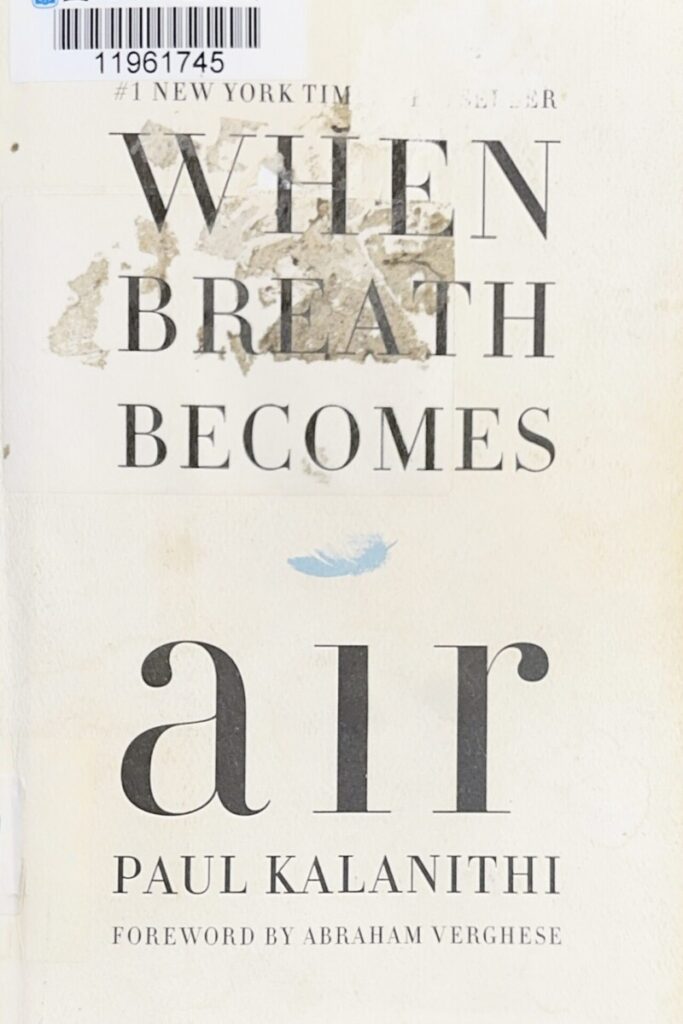
Dr. Paul Kalanithi (1977-2015)是美國的神經外科(neurosurgeon)醫師,享年才38歲(美國人的算法是37歲)。
在完成住院醫師實習的前一年,Paul 發現他得到了肺癌(lung cancer),經過第一線藥物的治療,腫瘤要嘛消失不然就是縮小,病情穩定,在他自己的判斷及主治醫師的同意之下,他決定在接下來繼續治療的同時,返回醫院恢復每天超過16小時的實習,以取得神經外科醫師的資格。
由於Paul本身也是醫師,對自己的病情也有所評估,使得他的主治醫師對於他的「預後」(prognosis)存活時間及機率,遲遲不鬆口,甚至數度問Paul,是否願意卸下醫師的角色,而只純粹做一位病患。這很有意思。
(根據研究,如果醫師和病患有私誼,這種醫病關係可能會影響到醫療的效果。那麼,如果是病患堅持自己也是醫師的那種醫病關係呢?)
很不幸,肺癌病情急轉直下,Paul連醫院為他安排的畢業典禮都沒有辦法參加。
Paul和女友Lucy的關係,在診斷出肺癌之前就已經暗藏危機。
在診斷出肺癌之後,Lucy 選擇陪伴在Paul的身邊。
他們不只沒有分開,而是在幾個月之後就正式結為連理呢!
Paul在化療之前,先儲存了精子,並在病情穩定之後迅速做了體外受精(IVF, In Vitro Fertilization),順利得有一女。
就某個程度,Paul 和Lucy 的男女關係反而因為Paul 診斷出肺癌而變得更穩固。
Lucy 在”When Breath Becomes Air”這本書的跋𥚃,就如此寫道:
…We each joked to close friends that the secret to saving a relationship is for one person to become terminally ill. Conversely, we knew that one trick to managing a terminal illness is to be deeply in love——to be vulnerable, kind, generous, grateful…
Paul 在Stanford 大學,本來主修文學。從文學中,他追尋人性深層的意義,因此進一步接觸了神經科學:
…seeking a deeper understanding of a life of the mind, I studied literature and philosophy to understand what makes life meaningful, studied neuroscience and worked in an MRI lab to understand how the brain could give rise to an organism capable of finding meaning in the world, and enriched my relationships with a circle of dear friends through various escapades…
Paul 的哥哥、父親、叔叔,都是醫生,從小耳濡目染,對醫學的領域本來就非常熟悉。他後來會選擇神經外科做為一生的職志,是有脈絡可尋的。
在醫院擔任實習醫師的時候,除了超時超重工作的壓力之外,Paul 經常在實務上碰到病患在生存與死亡之間的選擇和思考。
Before operating on a patient’s brain, I realized, I must first understand his mind: his identity, his values, what makes his life worth living, and what devastation makes it reasonable to let that life end. The cost of my dedication to succeed was high, and the ineluctable failures brought me nearly unbearable guilt. Those burdens are what make medicine holy and wholly impossible: in taking up another’s cross, one must sometimes get crushed by the weight.
大意:在為患者進行腦部手術之前,必須先了解他的想法:他對自我的認知、他的價值觀、什麼是他最在意的事物。而在怎樣的悲慘狀況之下,使得結束病患的生命變得合理呢?手術成功,醫師所需投入的專注成本很高;手術失敗,難免招致無法忍受的罪惡感。這些重擔使醫學變得神聖,也令人感到難以𠄘擔:為他人揹起了十字架,有時候難免會反而壓跨了自己。
……
在他自己罹患了肺癌之後,自己變成了病患,以第一人稱來思考生死的問題,感受就變得更為強烈而且直接了。
…The monolithic uncertainty of my future was deadening; everywhere I turned, the shadow of death obscured the meaning of any action. I remember the moment when my overwhelming unease yielded, when that seemingly impassable sea of uncertainty parted. I woke up in pain, facing another day—no project beyond breakfast seemed tenable. I can’t go on, I thought, and immediately, its antiphon responded, completing Samuel Beckett’s seven words, words I had learned long ago as an undergraduate: I’ll go on. I got out of bed and took a step forward, repeating the phrase over and over: “I can’t go on. I’ll go on.”
大意:未來整體的各種不確定的可能性的逐漸消亡;我所到之處,死亡如影隨形,使得任何努力都變得沒有意義。……我感到無法繼續下去,但是我必須繼續堅持下去。
而正是這股力量,使得Paul 選擇回去完成醫院的實習。
“When Breath Becomes Air” 這本書的中譯本是《當呼吸變成空氣》,翻譯得非常直白。
簡單總結,人生在世,每個人都要好好思考的一個命題是:
什麼是對你自己而言最重要的。
努力去追求自己覺得最重要的,那就是人生的意義,也就是所謂的無忝所生。
個人覺得,一般人並不是不知道要思考這樣的命題,而是不知道什麼是對自己重要的。
有些人,需要走過一個比較長的歷程;有些人,從來不知什麼對他們是最重要的。
這是千金難買早知道。
“When Breath Becomes Air”,我會翻譯成「當一切已成空」。
愛在及時,不要等「當一切已成空」。
*:Paul Kalanithi, ”When Breath Becomes Air,” 2016, Random House
2024/11/15 When Breath Becomes Air Damakey
