
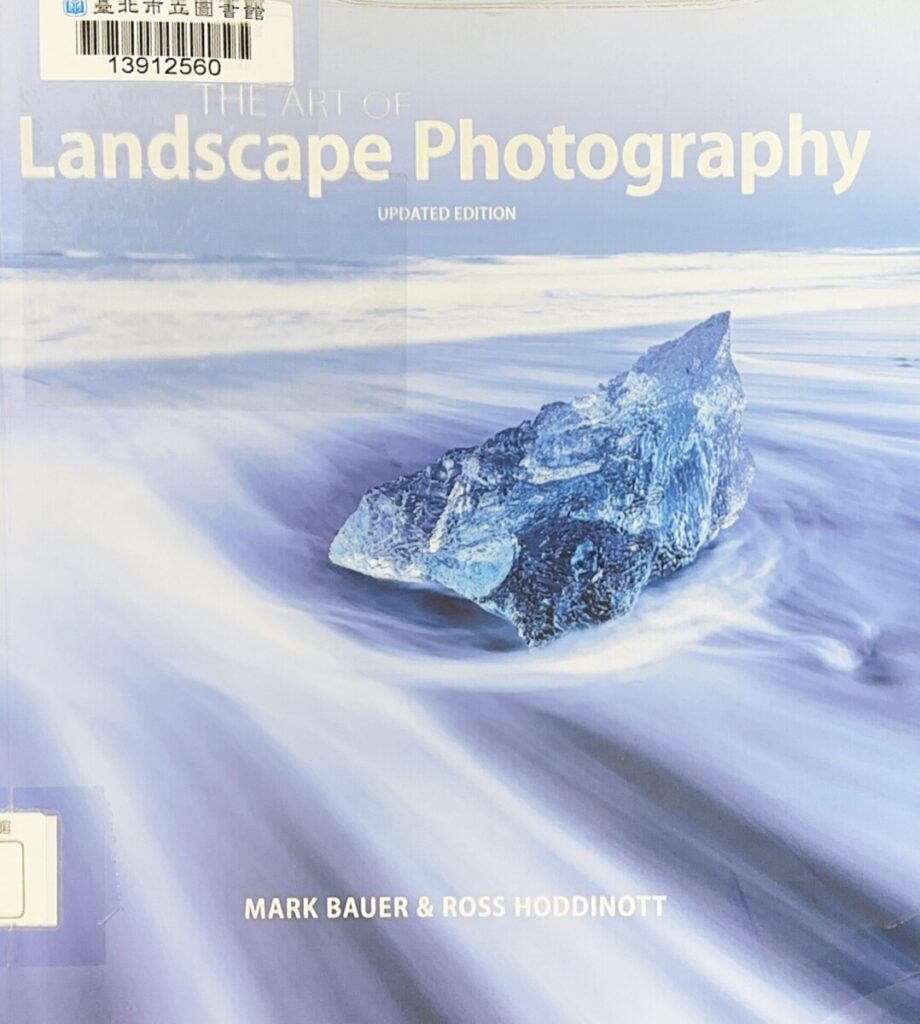
“The intensity, clarity and color temperature of light strongly influences the atmosphere of a shot. The factors that affect the quality of light are the time of day, the season and the weather. As with the direction of light there is, in theory no ‘right’ or ‘wrong’ light, but most landscape photographers would agree that the light at beginning and end of the day is especially flattering.”*
光線的品質,對於風景攝影(landscape photography)氣氛的塑造,是很重要的。
在每天的晨昏,日出和日落時分,是很多從事風景攝影者最喜愛的時段。
晨昏的陽光,光線從地平面或海平面平射過來,相對於白天,必須穿過更厚的大氣層(想像大氣層是環繞著地球表面,薄薄的一層空氣)。波長較短的藍、紫色光比較無法穿越通過,使得我們可以看到的光線,是比較偏暖色系、波長較長、穿透力較強的紅、橙色光。
而這其中,傍晚的紅橙光,由於空氣中浮動更多反射的微粒,會形成更暖的色調;而相對在早上的紅橙光,空氣比較清新,感覺就是比較乾淨的冷色暖(個人覺得,在高海拔的山上看日出,這種感覺會更加強烈)。
而不管怎樣,基本上由於晨昏光線的品質都很柔和,要拍出充滿溫暖、希望的照片,應該都不難。
“There is a period of twilight each morning and evening when the longer red wavelengths of light pass straight into space, while the shorter blue wavelengths are scattered through the atmosphere, resulting in cool blue tones and saturated color. These times of day are usually referred to as the ‘blue hour’(though in reality they are generally shorter than an hour) and can be very atmospheric times to shoot cityscape, urban scenes or landscapes that feature water…”*
在日出之前或日落之後,有一小段時間,長波長的紅橙光減少了,天空會充滿散射的藍光,在那個時候拍攝城市或鄉村的風景,或者臨水的風景,都會很有氣氛的。
講到散色的藍光,其實那就是在放晴的大白天,藍天形成的原因。
藍天白雲的風景,隨便拍隨便好看,為什麼呢?
主要原因還是因為充足的光線,光圈不用太大,曝光的時間不用太長(快門速度可以快一點),照片有更大的景深,不容易模糊,不管遠近都可以照得更清楚,畫質會顯得更犀利。
“Depth of field is the zone of acceptable sharpness within an image. Although both focal length and camera-to-subject distance also help determine depth of field, aperture size is its overriding control. By adjusting the aperture you not only alter the amount of light passing through the lens, but you also determine the level of front-to-back sharpness…”
小光圈可以有更長的景深,這個時候照片的焦點要放在哪裡就相形重要了。
“Shorter focal lengths appear to display a greater depth of field than longer lenses. As a result, wide-angle lenses are popular not only for their ability to capture larger vistas, but also for the way they can help ensure front-to-back sharpness.”
廣角鏡也可以用來增加景深。
“When image-forming light passes through the aperture, the light striking the edges of the diaphragm blades scatters, or ‘diffract’, which softens image quality…”
光線通過光圈的狹窄縫隙會產生繞射的現象,以致影響到成像的品質,一般最好避免太小的光圈。但是,在照太陽的時候,如果要產生星芒的效果,那得得用極小的光圈,譬如f/22。
“…The concept of balance is central to composition. Perhaps the most fundamental decision we make when composing a photograph is how we balance the different elements in a scene to achieve a harmonious composition, or how we do the opposite to create discord…”
照片的構圖很重要。最基本的就是追求一種相片看起來構圖是和諧的平衡感。
“The Golden Ratio works like this: if you divide a line into two parts so that the proportional relationship between the smaller part and the longer part is the same as the proportional relationship between the longer part and the whole length, then you have divided the line according to the Golden Ratio. Expressed mathematically, this proportion is approximately 1:1.618…”
傳統的構圖,有所謂黃金分割的理論:
把一條線分割成兩段,長邊的長度A和短邊的長度為B,那麼滿足A/B =(A+B)/A的分割法,就是黃金分割,它的解是A/B =(A+B)/A~1.618。
放在攝影的觀景窗上,就是一個井字的分割,而相交的四個點就在離觀景窗邊緣相對38%的位置。
假設短邊為B=1,那麼為了滿足黃金分割率,長邊A就等於1.618。分割點離較近的邊相對於全長的比例,就是38%。
B/(A+B)=1/2.618=0.38=38%
38%這個數字難以目測,所以一般就用1/3做為概估,把攝影的焦點放在距離觀景窗邊緣三分之一的相對位置,這也叫做「三分之一理論」。
(這只是一個美學理論,可以參考,但是如果太堅持,則是很多專業攝影師都不以為然的。)
“In the Fibonacci sequence you start with two numbers, 0 and 1. Each subsequent number is the sum of the previous two, creating the sequence 0, 1, 1, 2, 3, 8, 13 and so on…”
費氏數列也可以幫助構圖。而其實費氏數列和黃金分割理論相似。當費氏數列的數字愈大的時候,它前後鄰接的數字的比例,就很近黃金分割率,譬如 費氏數列的第10項和第9項的比:55/34~1.6177。已經很接近1.618的黃金分割率了。
如果以費氏數列為邊長的方形來相接,所累加形成的長方形,其兩邊長的比(也就是費氏數列兩鄰接數字的比),最後會接近黃金分割率1.618。
以費氏數列為邊長的方型來相接:
0
1 1×1方形
1 1×1方形+1×1 方形=1×2長方形;
2 1×2長方形+2×2方形=2×3長方形;
3 2×3長方形+3×3方形=3×5長方形;
5 3×5長方形+5×5方形=5×8長方形;
8 5×8長方形+8×8方形=8×13長方形;
…..
如果把這個長方形當作是相機(觀景窗)長寬的規格比例,那麼35mm相機的3:2=1.5,還真的蠻接近黃金分割率1.618呢!
(向日葵的花序,通常左旋數和右旋數各為34和55,更大朶的則有89和144,甚至有144和233的。這些都是費氏數列中的前後項,很神奇吧!
我第一次看到Instagram 的相片是方形的,有點不太適應。但Instagram還是受到很多粉絲的歡迎。所以啊,運用黃金分割的理論來構圖,只是一個參考而已,也不用太迷信就是了。)
構圖當然有其他的理論和講究,譬如:對稱、平衡、透視點、三角構圖法、彰顯前景的重點、聚焦至主題、極簡構圖法、重視光影的印象主義、抽象等等,不一而足。大家有空自行參考就是了。
“Trying to develop a personal style…The factors that shape our style are the various choices that we make as a photographer, including subject, the equipment we use, the lighting we favor and how we process our images…”
攝影的理論和實務有各種各樣,一個攝影師最終必須做各種選擇,來展現屬於自己的風格。
所以啊,攝影也是尋求自己喜歡的表達方式。對理論與實務的了解,可以幫助我們更有能力展現自己的風格,但是畢竟要怎麼做,還是在於自己的決心。
看完”Landscape Photography”這本書,我的決心就是繼續用iPhone隨意拍、多拍,讓偶遇的風景和意外的效果,決定我的風格。
*:Mark Bauer & Ross Hoddinott, Landscape Photography, 2021, Ammonite Press
2023/7/27 Landscape Photography Damakey形
