
Grabbing some lunch in the Benesse House Museum… Aesthetic things are not only edible but also tasty there.
2023/4/3 Benesse House Museum Damakey



Grabbing some lunch in the Benesse House Museum… Aesthetic things are not only edible but also tasty there.
2023/4/3 Benesse House Museum Damakey

Kurashiki coffee 倉式咖啡
倉式咖啡,講究用虹吸式萃取。咖啡粉放在上面,下面燈泡型杯的水沸騰昇華上衝至咖啡粉裏,接著降溫回落至咖啡壺內,倒出來就成為一杯燙口香醇的咖啡了。
虹吸式的萃取速度快,所以咖啡豆要研磨得夠細才能泡出味道。因為快,也減少過度萃取可能多出的雜質味兒。
這是倉氏咖啡的特色,有點費工。咖啡豆的粗細和萃取時間,應該有一個黃金的組合,這當然就是功力了。
2024/4/3 倉式咖啡 Damakey
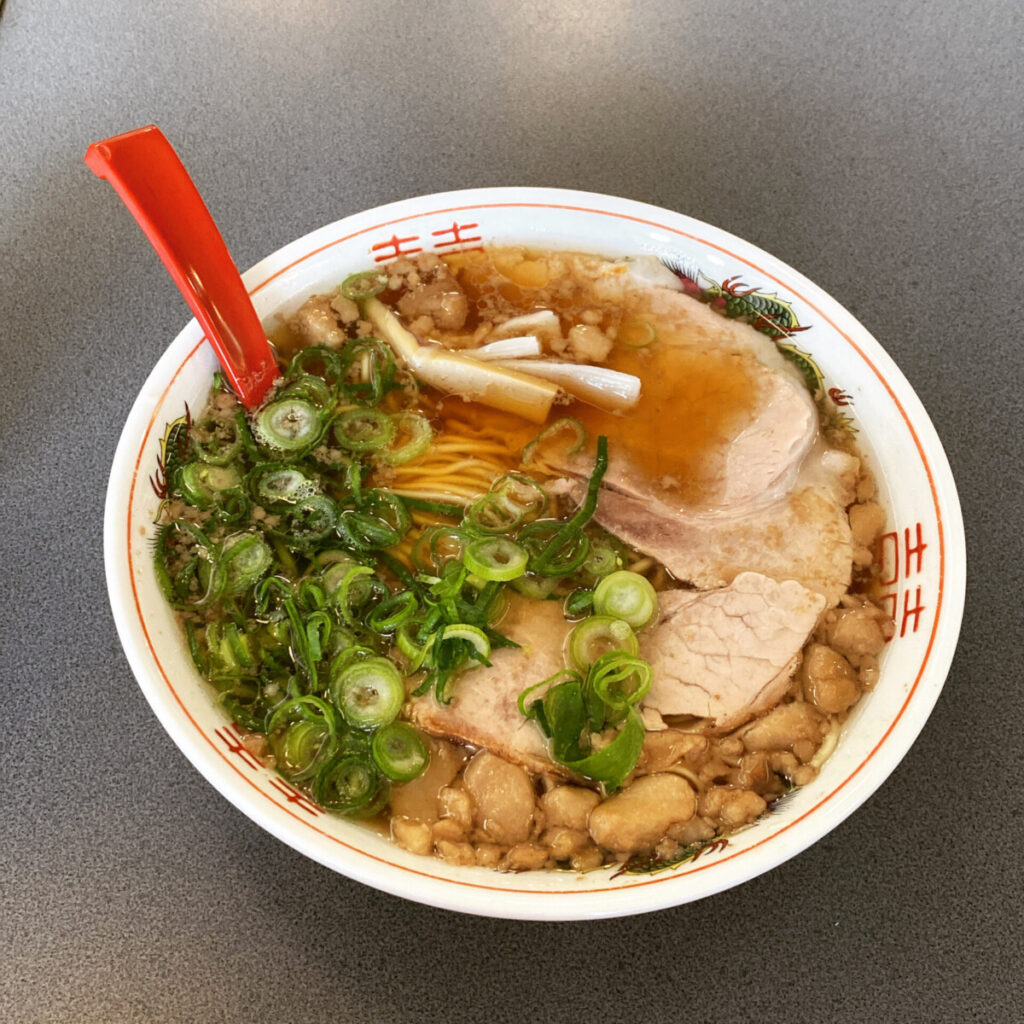
牛ちゃん 尾道店……
浮著一層肉燥的肥肉,是肉燥拉麵吧!碗裏有三個「囍」的漢字,難道暗示這是這碗拉麵的前世今生?
2023/4/2 尾道的拉麵 Damakey

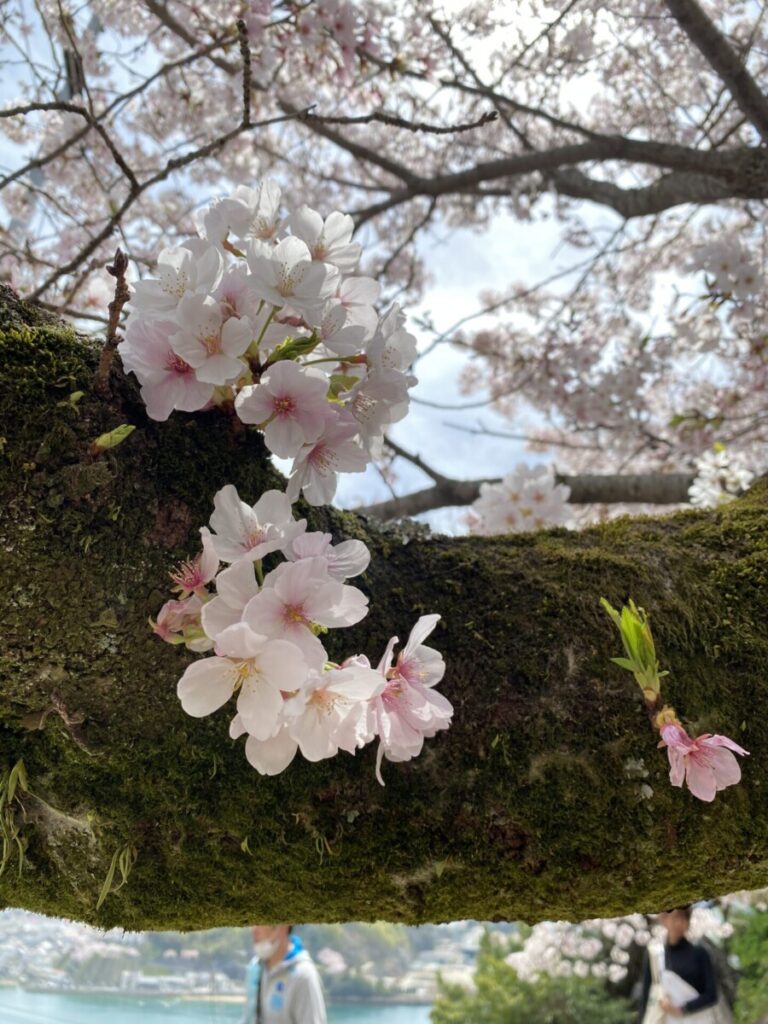
染井吉野櫻
(ソメイヨシノSomeiyoshino)
學名:Prunus × yedoensis
薔薇科 Rosaceae 梅屬 Prunus
於江戶時代末期到明治時代初期,由江戶染井村(今日本東京都豐島區)的植木造園師經由人工育種而成,隨後以奈良縣中部的日本賞櫻聖地吉野山為名。(維基百科)
……花朵有五枚花瓣,花色在花朵剛綻放時是淡紅色,而在完全綻放時會逐漸轉白。因為是人工育種,它無法自然結果繁衍,只能以插枝移植,但也保持所有吉野櫻花瓣的形狀與色澤相同,其花期也相同,可以同時綻放與凋謝。(維基百科)
染井吉野櫻的花期為3月下旬至4月中旬,廣泛種於日本各地,現在已經成為提供賞櫻美景的主力。
染井吉野櫻由日本原生櫻花混種而成,至於來源確實為何,則莫衷一是。
無性生殖(插枝)的染井吉野櫻,基因都相同,未來若碰到特定致命沒有扺抗力的壓力(環境、蟲害、菌害等等),會不會令現在看到數大就是美的櫻花林全滅了呢?
不過,從江戶時代它都挺過來了,希望這只是杞人憂天而已。
2023/4/2攝於日本廣島縣尾道市千光寺,海拔約100公尺。
2023/4/2 染井吉野櫻 Damakey

松屋,¥500 的豬排套餐,有夠有誠意,吃得🐷都哭了
2023/4/1 松屋豬排套餐 Damakey

巴勃羅·畢卡索(Pablo Picasso, 1881-1973),是聞名世界創立立體派(Cubism)的畫家。
『20歲左右,年輕的巴勃羅·畢加索,觀察窮人的悲傷,以獨特的藍色調為主的繪畫,捕捉他們的神情,創造了無與倫比的基本人道主義形象。 從這個標誌著他作為藝術家起點的「藍色時期」,到他對實驗性立體主義的探索,由成熟時期到晚年,畢加索在他幾乎一輩子的藝術生涯中,創作活力從未稍減。即使在他去世半個世紀之後,他獨特的的繪畫,仍然在藝術史上展現著重要的力量。』(簡譯自2023年廣島藝術博物館和波拉藝術博物館合辦的畢卡索特展的說明資料)
在展場中,除了少數作品是借展的藏家不允許拍照之外,其他大多數都是可以的。展覽看得很過癮,畫作拍得也很過癮。
感恩收藏家的慷慨,為了美學教育,他們捐棄了擁有的私心。想想台灣的故宮允許參觀者拍攝作品,相信也是遵循著一個類似的邏輯。
有什麼比美學教育更重要的呢?如果能夠欣賞美,能夠喜歡美,就不會去進行破壞,也不會輕易去污染我們的環境,更不會主張戰爭了。
特展中有一副1902年,畢卡索22歲的作品,《Crouching beggarwoman》,蹲伏的乞丐女,非常特別,正可以代表少年畢卡索,在藝術發展的初期,充滿人道主義「藍色時期」的作品。
大家對畢卡索作品的主要印象,或許大多停留在立體派(Cubism)作品上大膽的創新,將不同性質的元素,同時呈現在同一副畫作上。
而如果回顧畢卡索「藍色時期」的畫作,則可以一窺少年畢卡索的初心。
原來,偉大的藝術大師,他的起點,也離不開基本的人道主義。
2023/3/31 畢卡索的藍色時期 Damakey






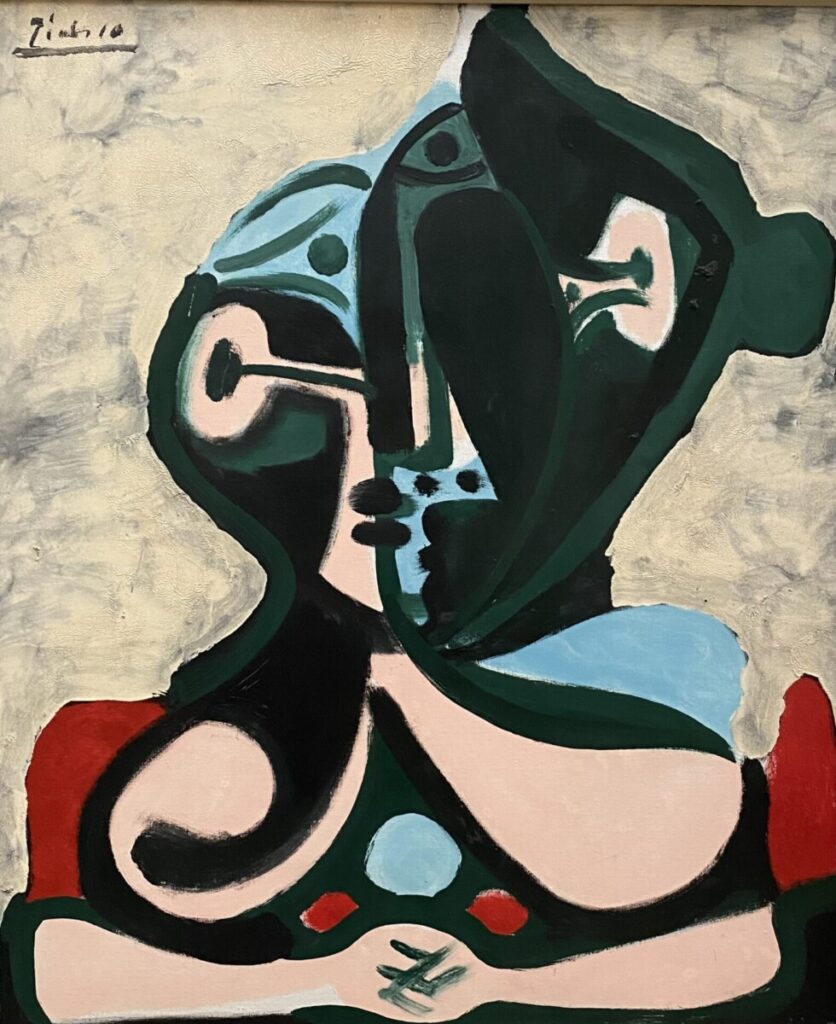

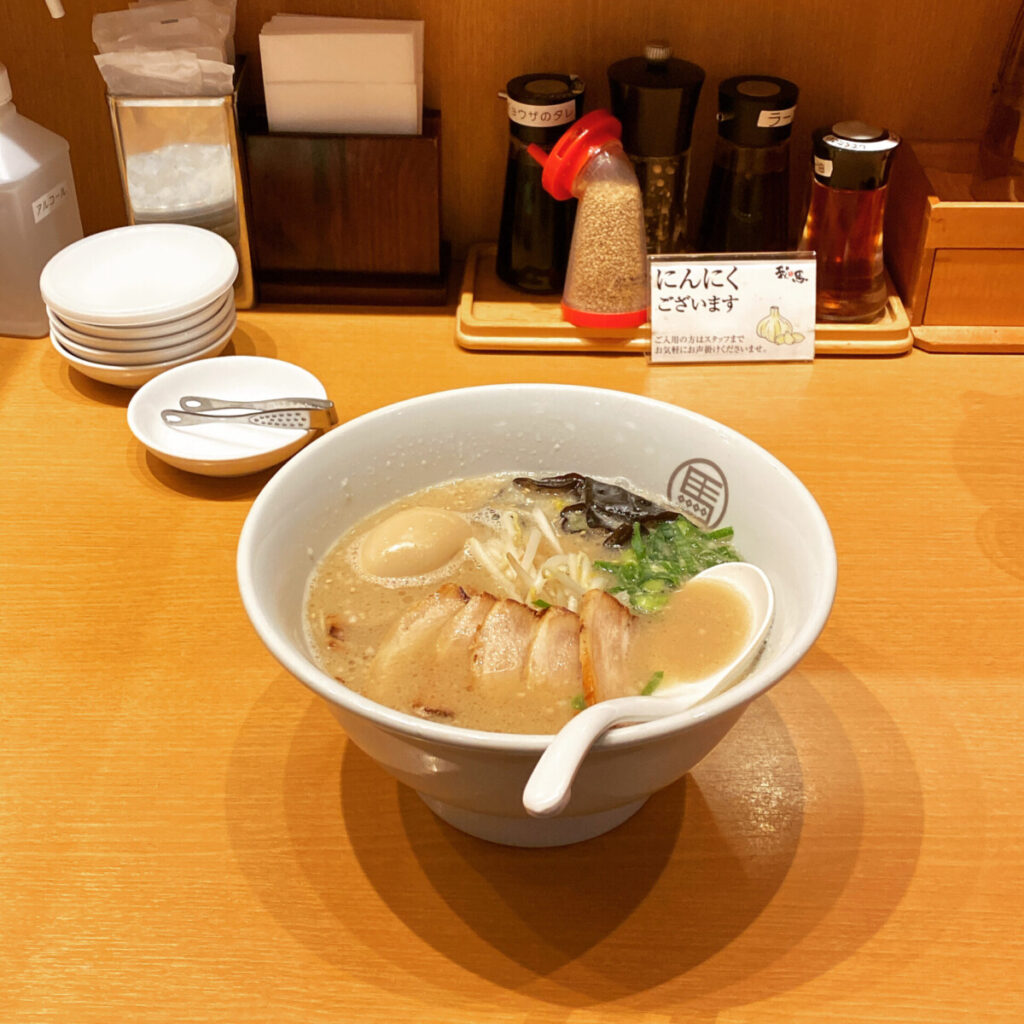
我馬……. 生日快樂!
2023/3/30 生日快樂 Damakey

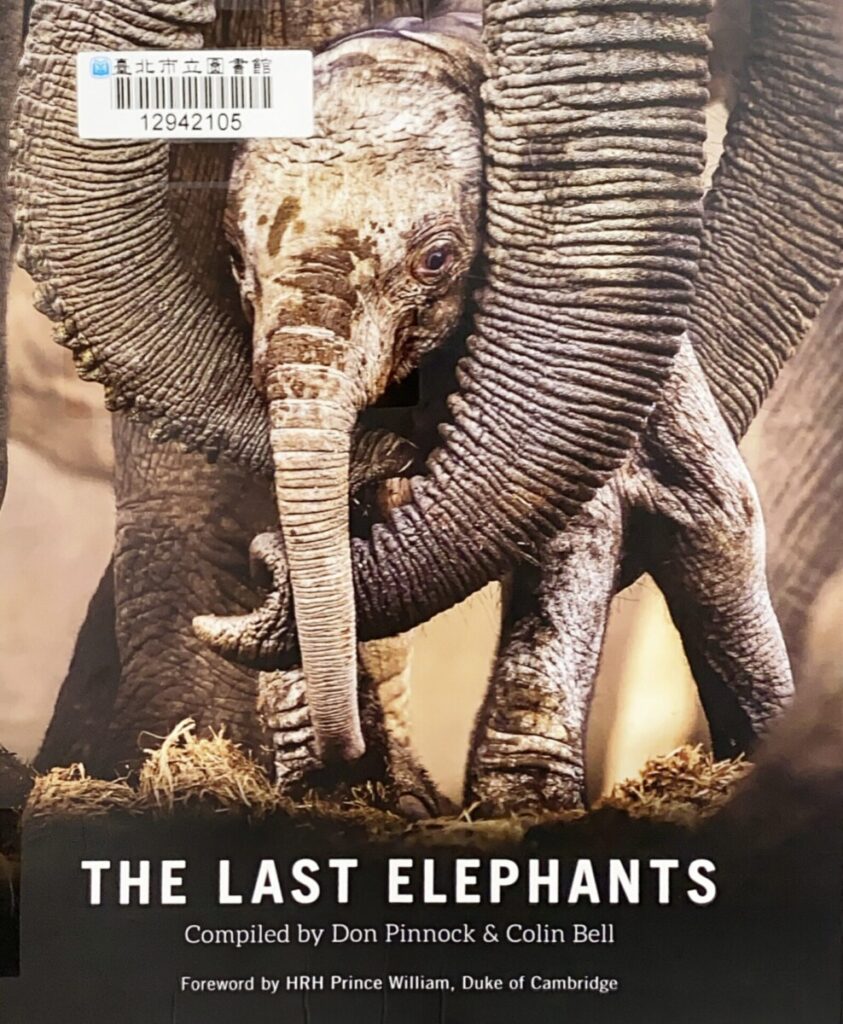
‘We estimated the total savanna elephant population for the Great Elephant Census at 352,271 … Botswana had 37% of this total, with Zimbabwe (23%) and Tanzania (12%) also having large populations… we also recorded 201 poacher camps…’
There are so many poaching camps! The scale of elephant killing is far beyond our imagination.
Carcass ratio is a index to monitor if the natural population growth rate of elephants has been impacted. Carcass ratio = the number of dead elephant / the sum of live plus dead elephants. In principle, carcass ratio should be maintained lower than 8%.
‘The all-carcass ratio for the entire GEC was 11.9%. Carcass ratio >8% generally indicate a declining population. Ratios varied greatly by country, with the highest ratios in Cameroon (83%), Mozambique (32%), Angola (39%) and Tanzania (26%), …’
‘Survey-wise, carcass ratios were 12% in protected areas and 13.2% in unprotected areas, indicating that poaching is serious in both protected and unprotected areas…’
‘By 2050, human populations are projected to double in 12 GEC countries,… A human populations growth, so the potential human-elephant conflict, leading to elephant deaths, loss of habitat to agriculture or fires, and potential extirpation of elephant populations.’
‘The dramatic declines are almost certain due to poaching for ivory. Elephant poaching has increased substantially over the past 5-10 years,…’
‘An elephant is poached somewhere in Africa every 15 to 20 minutes of every day, every week and every month.’
Why do elephants matter? Two reasons:
‘…the first is their role as a keynote species in the ecosystem in which we live and function. The second – in keeping with their place in the human psyche – is their symbolic significance, what they tell us about ourselves…’
Initially the ban on ivory trade had been secured in CITES meeting in 1989. However there was a one-off experimental approval of ivory sale to Japan in 1997 executed in 1999, and another one-off sale was followed and delivered in 2008. ‘…CITES’s decision to permit China to bid alongside Japan for ivory, meant that this second sale was a recipe for devastation and that a surge in the demand for ivory was sure to ensue.’ The ivory trade encouraged poaching and the Africa elephant numbers total fell 144,000 between 2007 and 2015.
‘Africa elephants are referred to as “ecosystem engineers,” able to modify their landscape, often drastically. They’re each capable of consuming 75 to 150 kilograms of browse a day and can live up to 70 years…’
‘… Our knowledge of elephant intelligence, cognition and psychology had greatly increased in the last decades. The more we realize how similar to human they are… They have a highly complex communication system, which we are only just beginning to understand. They have feelings and a strong sense of family; they show emotions and empathy and have a knowledge of self,… Elephants also have a sense of humor and can think complex thoughts and plan ahead. And they mourn their dead…’
‘Elephants are losing their “elephantness.” The gene responsible for large ivory is disappearing, rapidly replaced by small-tuskec gene and, in some areas, even more alarmingly, by tuskless gene.’ It’s mainly due to poaching. Long tusk elephants are selected and killed and have no chance to leave the related genes to the next generation.
‘Tusklessness in healthy elephant population lies in the range of 3 to 5%. But we are now seeing the percentage rise to 60% or higher.’
‘Elephants use their tusks for many essential life functions. They are used as tools to lift bark from trees, to dig for roots, lift babies trapped in mud, and dig for water. Their functions range from the essential to seeming mundane; from serious weapons of defence to simply a resting place for their trunk. And bull elephants also use their ivory to compete for females. While tuskless elephants can survive, they are essentially handicapped…’
Elephants are important players in (savanna Africa) ecosystem.
‘It’s estimated that each adult elephant excavates about a tonne of soil a year from the various licks and waterholes…This sealing process enables the pan to hold water for much of the dry season and benefits all forms of wildlife.’
‘Elephants are consummate herbivores. They’re not only browsers and grazers, but they also eat bark, fruits, pods, and root (from up to a meter below ground)…’ Elephants digest roughly only 22% of the food they eat. The bolus contains a lot of food and nutritions for other creatures, hornbill, insects, people, monkey, baboons, wild primates, butterflies, dung beetles, termites, the aquatic life, etc., living around in the same ecosystem.
‘Because of their size, longevity and intelligence, elephants are main highway builders of the bush. With their expansive knowledge of home ranges, garnered over millennia, they have created U-shaped highway linking feeding areas to waterholes and rivers – highway that other wild life uses…’
The elephant’s warm stomach helps accelerate tree seeds to germinate. ‘Germinated seeds, embedded in the bolus, are often dropped in the dung pile a good distance from where they were eaten.’ By carrying tree seeds to far away places, elephants plant trees.
‘Elephant pruning ensures that a tree is kept down at browse level for all leave eaters, from dik diks at the base to giraffes, which shape its canopy.’
‘Elephant survival ultimately depends on generating appropriate incentive among local communities and their government (at all levels) to value elephants holistically, the more so because, even if poaching were to be eradicated, the risk of elephant habitat loss and fragmentation would not disappear with it.’
……
To help preserve elephants, what we should not do:
1. Don’t support operations that offer elephant-back riding or other forms of animal exploitation using elephants in captivity.
2. Don’t visit zoos or so-call sanctuaries that keep elephants under poor conditions.
3. Do not buy any products that use ivory, elephant hair or any other body parts.
Poaching is one of the major reasons that every 15-20 minutes an elephant is killed in Africa. ‘To stop poacher, the trader must also be stopped. And to stop the trader, the final buyer must be convinced not to buy ivory…’
No buying, no killing. Say no to ivory.
*:THE LAST ELEPHANTS, compiled by Don Pinnock & Colin Bell, Smithsonian Books, Washington DC.
2023/3/29 THE LAST ELEPHANTS Damakey

『……工作對這群師傅的意義:工作之於他們不過是求生的手段,他們要求的不外乎收入穩定、做起來習慣、賺的錢足夠一家人生活等等相當實際的考量。個人聲望或對於該行業的認同,對他們來說都是其次。
也就是說,他們所抱持的工作認同,其實是對自己所擁有的、足以養家活口的技術的認同,並非對於特定行業的認同,這個行業也非他們的天職,所以他們不追求在這個行業中走到最頂端,甚至也不追求自己的技術必須登峰造極。
以糊口為優先的心態,讓他們對於拖車產業的繼承責任感相對薄弱。這也解釋了為什麼對這群師傅來說,「成為頭家」並不那麼有吸引力。
……
他們可以同時認為工作技術重要,但同時又希望孩子取得文憑,因為在他們眼中,無論技術或文憑,都是取得維生手段的一種工具。』*
七年級生的謝嘉心,生於「黑手」(工人)的家庭。她的父親以製作拖車為業,但是從她小時候開始,父親就一直告誡她要認真讀書,說如果不好好讀書,以後就像他一樣做工。
謝嘉心認真念書了,念到清大的社會研究所,以研究父親的職業為題,順利拿到了碩士學位。她的研究也解開了一直縈繞在她心裏的一個問題,為什麼一位在工作上如此以技術為傲的黑手父親,在家裏卻貶抑自己的工作,唸茲在茲的居然是希望自己的子女不要繼承父業。
謝嘉心在書𥚃謙虛地寫道:『現於NGO的世界載浮載沉,試圖維持心𥚃那點理想之光,並尋找與現實生活壓力之間的平衡點。』如是看來,在她父親心目中足以找到一個相對容易生活(糊口)工作的(碩士)「文憑」,似乎並不見得有什麼直接具體的幫助。但是她明顯已經踏上了社會階級流動的階梯了。
如果我們不希望我們的孩子做和我們一樣的工作,是不是也是因為我們只把工作當作養家活口的辛苦工具,而沒有從工作中得到有使命感的更高的自我完成呢?這是一個值得思考的問題。
在我們的孩子的未來,很多當下的工作都有可能會消失。「文憑」既不可靠,現在取得的知識與技能也不能用上一輩子,必須終生學習。
謝嘉心從高雄小港到北部讀書,她明顯感受到了家庭財富的差距。
透過學習,我們也可以爬上社會流動的階梯,但是看著富有家庭的子女,父母的財富往往已經讓他們贏在階梯的起跑點上了,甚至可以說有些人已經站上階梯的更高處了。
2016年台大社科院經濟系教授駱明慶,發表了一篇研究論文指出,台灣大學的學生有將近50%來自台北市、新北市,其中小小的大安區就佔了6.89%。家庭財富的多寡和子女接受良好高等教育的機會,呈現明顯的正相關。**
父親是黑手,並沒阻止謝嘉心力爭上游,攀上社會階級流動的階梯。但在這個背後,還有更多比較不富裕的家庭的子女,是失去這樣的機會的。
高等教育不是出人頭地的唯一機會,但是我們不能不承認這當中因此而有的學習成長機會。身為父母的為什麼要努力讓自己的家庭富足起來,因為那也攸關到孩子未來的幸福。
是不是讓孩子從事和自己一樣的工作,克紹其裘,並不真的那麼重要,謝嘉心的父親基本上是對的。過得再苦,都要讓孩子不失去任何學習成長的機會,這才是重點,謝嘉心的黑手父親則做到了。
*:《我的黑手父親》,謝嘉心 著
**:〈台大生來自哪?學者研究:北市大安區最多〉,記者 謝佩穎 / 攝影 張肇華 台北 報導,TVBS, 2016/08/21
2023/3/27 我的黑手父親 Damakey
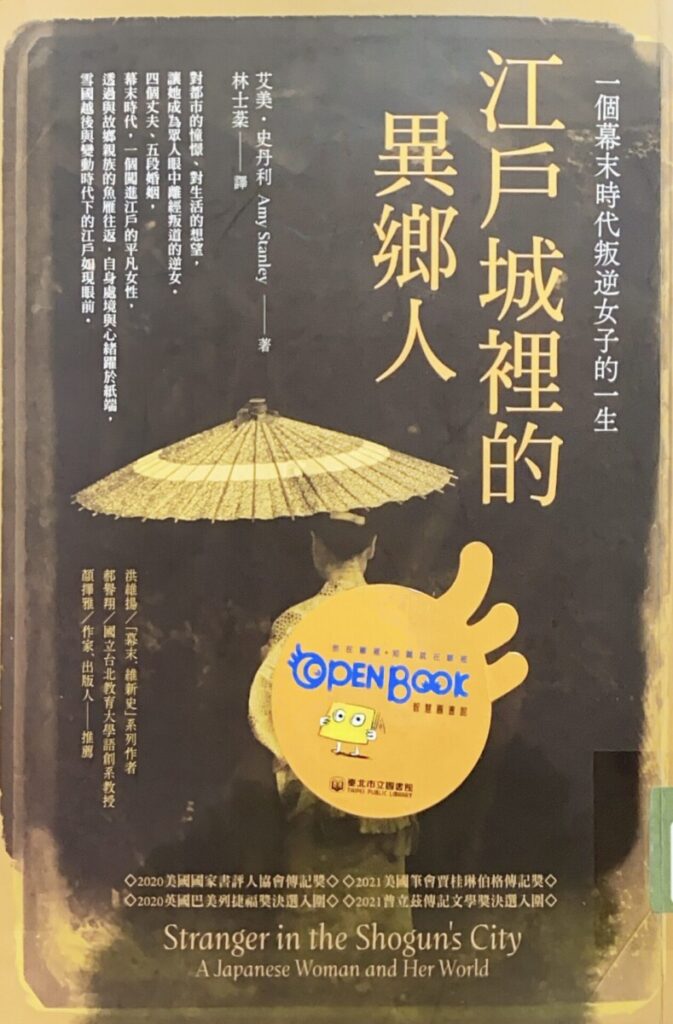
常野生於1804年春天。她的父親右衛門是江戶(東京)西北邊日本海東側的越後國頸城郡石神村林泉寺的住持。
越後是日本著名的雪國,當地人以虔誠的淨土真宗信徒而聞名。
『……十三世記初,受人崇敬的淨土真宗創教祖師親鸞上人曾在當地住過一段時間。他因主張信佛就能獲得救贖(任何人只要誠心念佛,就能往生阿彌陀佛的淨土)而被視為異端遭到流放,被迫離開京城(當時的京都),更嚴重的是(至少從佛門觀點看來),他拒絕遵守出家人不得結婚的戒律,娶了一位越後女子為妻,名為惠信尼,從此確立僧侶之妻也能主持寺務的慣例。
其他宗派如禪宗、日蓮宗、真言宗等,仍然有些信徒對淨土真宗不屑一顧,那些僅守佛門戒律,認為和尚不該飲酒吃葷、娶妻生子的人,往往認為像常野父親這樣的淨土真宗僧侶,對世俗成就過於汲汲營營、太過貪戀財富,過度沈迷俗麈享樂。他們不僅能娶妻生子,生活方式也跟有錢的俗人沒兩樣,全靠信徒的饋贈接濟……』*
常野的兄長義融註定得繼承家業,在那個時代女子的出路,就是出嫁到門當戶對的人家,而非長的兒子,就看能不能入贅到富有的人家。
常野在越後從十二歲開始,前前後後歴經三段婚姻,但都以拿到「離緣書」被休告終。之後,常野就拒絕了媒妁之言,下定決心要前往江戶去尋求機會。
常野在1839年10月6日抵達江戶。
當時江戶的階級制度,主要是幕府、大名、武士、商人、庶民所組成的,而有名無實的天皇則住在京都,位置介於江戶與京都之間的大阪,則是經濟活動的中心,住著務實的商人。
在常野抵達江戶九年前的1830年天保饑荒,已經嚴重挑戰了幕府寬政改革的成效。
江戶城內的大名入不敷出,收入微薄的武士往往也必須兼營一些小生意來增加收入。失業的人很多,尤其像常野這種從鄉下進城來尋找機會的游民,生活是異常的辛苦。
『江戶的傳統社會精英(城𥚃的武士、町名主及神田巿場的問屋商),對城𥚃的一切早就司空見慣,轆轆作響的牛車與高聳的觀火台根本不足為奇。無須提醒在廣大陌生的異地可能遭逢何種險境,但他們卻察覺到了另一種威脅。對江戶人來說,這種危險有形有體,看起來就跟常野一模一樣:穿著舊衣、疲憊不堪的陌生人,……』*
江戶人所面對的挑戰,就是長期封建階級制度之下,所造成貧富的不均,在面對外國人通商的要求之下,就是一個會攪起變動的不穩定因素。
常野在1853年4月6日病逝。就在她七七四十九天又六日的7月8日,美國艦隊在培理的帶領下,抵達江戶灣,下錨在灣口附近的浦賀。大家在後來,視培理對幕府的威嚇,導致日本解除鎖國政策,是一個歷史的轉捩點,而常野似乎錯過了。
以薩摩藩和長州藩為主力的尊王攘夷武力兵臨江戶城,逼迫幕府於1867年10月的「大政奉還」,把政治終極的權力返還給天皇,結束了幕府對日本260年的統治,開啓了日本現代化的旅程,包括明治維新。
這些常野都沒有來得及看到。
『回顧此生,常野絕不會認為自己是英雄,對於建設國家、打開國門或開創新時代等偉業有所貢獻。她只是一介平民,一個普通人,一個做出選擇的女人,而且(正如她所見)身後幾乎什麼都沒留下。既無子女,也無遺產,只有一封封的書信。
然而,江戶若少了像她這樣離鄉打拼的女性就不可能發展。沒有她們洗地、賣炭、記帳、洗衣、端餐,城市的經濟根本無法運作;沒有她們買戲票、髮簪、布匹、麵條,幕府所在的這座城市永遠不會發展成繁華大城,而只是眾多黃沙飛揚、陽剛味十足的軍事前哨之一,根本不值得建設。
常野留下的遺產是江戶這座大城,….. 同時她也形塑了這座城市:她排隊等待的每一口井、花費的每一枚銅錢、典當或縫補的每件衣服、端過的每塊托盤,移居江戶的重大決定以及日後每個微小的選擇,使家庭發揮功能,讓小販外出叫賣,點亮了中村座的燈火,以及在日本橋創立大型商社。這個城市不僅是常野人生舞台的背景,也是她日復一日打造的安身立命之地。在她死後,其他女性與更多默默的小人物將接續這份工作,形塑的江戶的面貌。』*
看似一個個小小的人物,但是的確是創造歷史的關鍵背景,這往往是被大家忽略的史觀。
『穿過縣界長長的隧道,便是雪國。夜空下一片白茫茫。火車在信號所前停了下來。』川端康成在《雪國》這本書中,寫他搭火車往北穿越隧道,進入雪國越後湯澤的印象。
而常野在1839年,走的是一個相反的方向,從西邊一點的山路,趁著冬雪之前,繞過關川關所,從越後往南走入比較溫暖的江戶城。
當時如果常野在越界時被逮捕而因此下獄甚至消失,無法順利成為江戶城的一部份,那麼日本的近代史會不會因此而改寫呢?
這是一個很有趣的問題。
*:《江戶城𥚃的異鄉人》,艾美·史丹利 Amy Stanley 著,林士棻 譯
2023/3/26 江戶城𥚃的異鄉人 Damakey