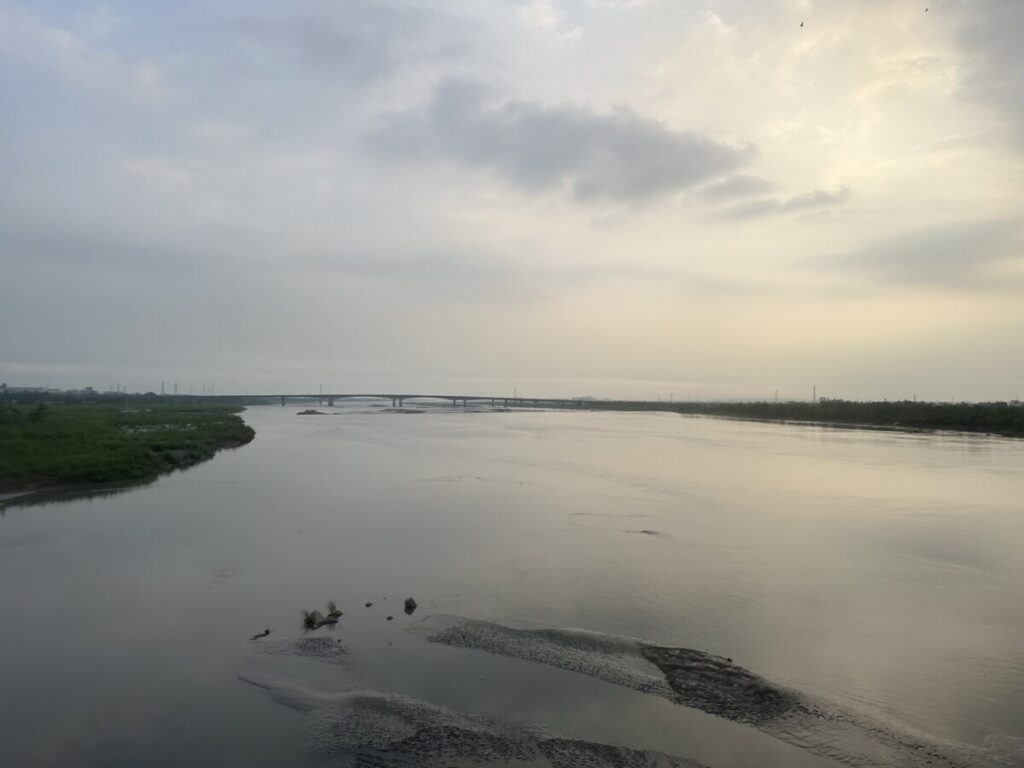
約夕陽
吻上台灣海峽
淚的聲音
在下淡水河
鹽的味道
洗魚的傷口
天涼到秋
離別的季節
斷古鐵橋
落空的心情
曾經有過
絡繹的不絕
轉身而去
好好
悲欣交織
2024/11/3 洗魚的傷口 Damakey

約夕陽
吻上台灣海峽
淚的聲音
在下淡水河
鹽的味道
洗魚的傷口
天涼到秋
離別的季節
斷古鐵橋
落空的心情
曾經有過
絡繹的不絕
轉身而去
好好
悲欣交織
2024/11/3 洗魚的傷口 Damakey
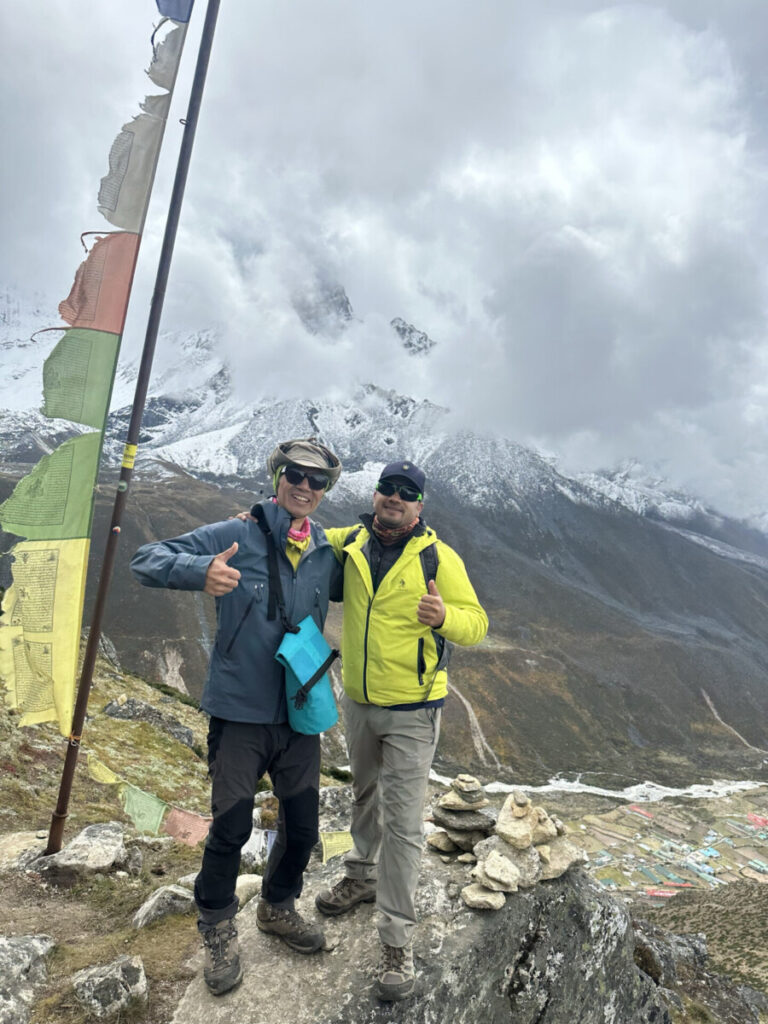
我問EBC 尼泊爾籍嚮導對印度人的看法如何?
他有點無奈地說,very difficult.
他的意思是,尼泊爾人比較沒有心機,印度人腦袋𥚃的心思很多。
我說我和印度人一起工作過,他們的腦袋千廻萬轉,而且擅長察言觀色。
我總結我對印度人的印象,They are very smart。翻譯成中文:他們很有心機。
尼泊爾和印度不和,但是印度和美國交好,尼泊爾也不得不仰美國的鼻息。
譬如,原來有大約300名的尼泊爾人加入了蘇俄的傭兵,但是因為烏俄戰爭,尼泊爾被迫把那300人撤回國了。
又譬如,本來可以擁有尼泊爾和印度雙重國籍的狀況,但尼泊爾單方面縮緊了規定,造成印度的不滿。
在歷史上,尼泊爾王國位於較低海拔較肥沃的國土,被印度侵佔。
印度的人口很多,到尼泊爾的移民也很多,造成尼泊爾南方的地區,受到印度非常深的影響。
現在的尼泊爾山多地少,沒有什麼工作機會,這也可以理解為什麼尼泊爾人會在山𥚃服務登山客,而連帶的很多的物資都是用人來鴕運。
尼泊爾的女人,據說經常被拐騙到印度,最後淪為賣淫的賤業,有國有家而歸不得。
在路上看到兩位尼泊爾婦女,用竹框扛著沈重的高麗菜往山裏的村落走,我心𥚃想的是,她們的肉體所受的苦,並不是尼泊爾婦女最壞的遭遇。
我說,尼泊爾夾在中國和印度(以及美國)之間,扮演緩衝的角色,但是國界那麼長,在兩大之間難為小。
台灣比較好,還有台灣海峽和太平洋做為屏障。(其實,我是有點心虛的)。
尼泊爾人很熱情、很友善,他們和台灣人很合得來。
只是,他們真的太窮了。造成只要付一點點小費,幾乎什麼事都有人幫忙。
EBC對我們是輕鬆的旅遊,但對他們尼伯爾人而言,是嚴肅的生活。
我又想了一想,印度人確實very difficult,很難纒。
2024/10/3 尼泊爾和印度 Damakey
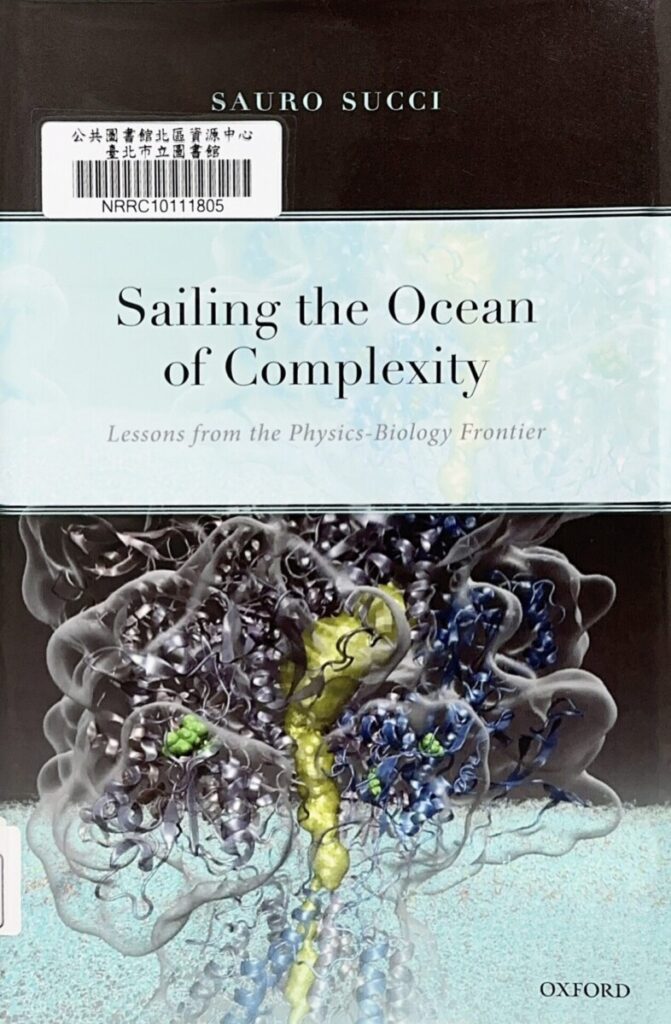
能(Energy)和熵(Entropy)的概念是相對的。
Energy and Entropy rule the physical world. They compete and cooperate and their duel/duet gives rise to virtually all we observe around and within us: the rules of the game. At a first glance, this is yet another Ying-Yang story, Energy the Constructor, Entropy the Destroyer, ultimately Life versus Death. Reality is much subtler than that, because energy can destroy as well and, conversely, entropy comes with its own constructive power. Yet, this tragic Life versus Death metaphor is vigorously fuelled by the second principle, which informs us that, at the end of the day, the last word is always for (thermal) death, simply because this is the ultimate equilibrium, the pinnacle of stability. Depressing as it is, this picture says nothing about the microscopic why’s underneath thermodynamics, a crucial matter which we proceed to discuss in Chapter 9.
大意是說,我們這個世界最終的均衡,達到最穩定的狀態,是熱量的(thermal)完全消失殆盡的寂滅(death)。
巨觀的世界,依照三大熱力學(thermodynamics)的原理運作:
1. First Principle: the energy change in a thermodynamic process equals the heat absorbed minus the work performed in the course of the transformation.
系統內能的改變=吸收的熱量-對外做的功。
dE= δQ-δW
熱力學第一定律,也稱為能量守恆定律,基本上講的是系統內的能不會無端地消失,而是在熱量和功之間進行轉換。
2. Second Principle: the entropy change of the Universe(system plus environment) in a thermodynamic process is always a positive or zero, the later condition denoting equilibrium.
熵(S)的改變,永遠大於或等於0。熵不再改變(dS=0)代表最終的均衡。
dS≥0
熱力學第二定律,就是一般人引申說的,這個(封閉系統的)世界,會自然朝向最大亂度(熵, S)去發展。
3. Third Principle: no material body can attain strictly zero temperature in Kelvin degree.
沒有物質可以真正達到絕對溫度的0度,只能趨近,因為總是有能和熱在進行交換。
T>0
熵不是一個直觀的概念。
簡而言之,熵是不能作功的能量的總和。
熵的改變(dS)就定義為在某特定的溫度(T)之下,熱能交換的改變量(δQ):
dS= δQ/T
說明例子:
當天氣很冷(譬如攝氏0度也就大約是絕對溫度273度),如果打開電暖器注入熱能(Q)使得溫度提高(譬如升到攝氏20度也就是大約絕對溫度293度),那麼熵的改變(dS)是多少呢?
dS=-Q/293(電暖器流失到房間的熵)+Q/273(房間從電暖器增加的熵)>0!
所以,溫差愈大,為了提升到特定温度,所改變(增加)的熵就愈大。這也是熵會變大,大自然會朝向更大的亂度去發展,一個無法避免的鐵則。
能(量)是守恆的,能的高低和時間沒有關係。
熵則是會隨著時間而增加(dS≥0),最後收斂到一個數字,所以被稱為「時間之箭」(arrow of time),從現在往未來發展而不可逆,這也就是俗稱的老化(aging)。
熵的成長一開始可能是不穩定的,但到達到最後均衡的時候,熵不再改變,是熱能的消亡(thermal death),這是熵這個概念告訴我們的黑暗面。
熵告訴我們這個世界的黑暗面,最後是寂滅(熱能的消亡thermal death),那對大家的啓示是什麼呢?
當然,我們個人的寂滅先於這個世界,那個機率會高上很多,換句話說,我們似乎也不必太過於擔心熵那隻時間的箭,所指向的遙遠未來吧!
*: Sauro Succinct, Sailing the Ocean of Complexity, 2022, Oxford University Press
2024/11/1 熵 Damakey
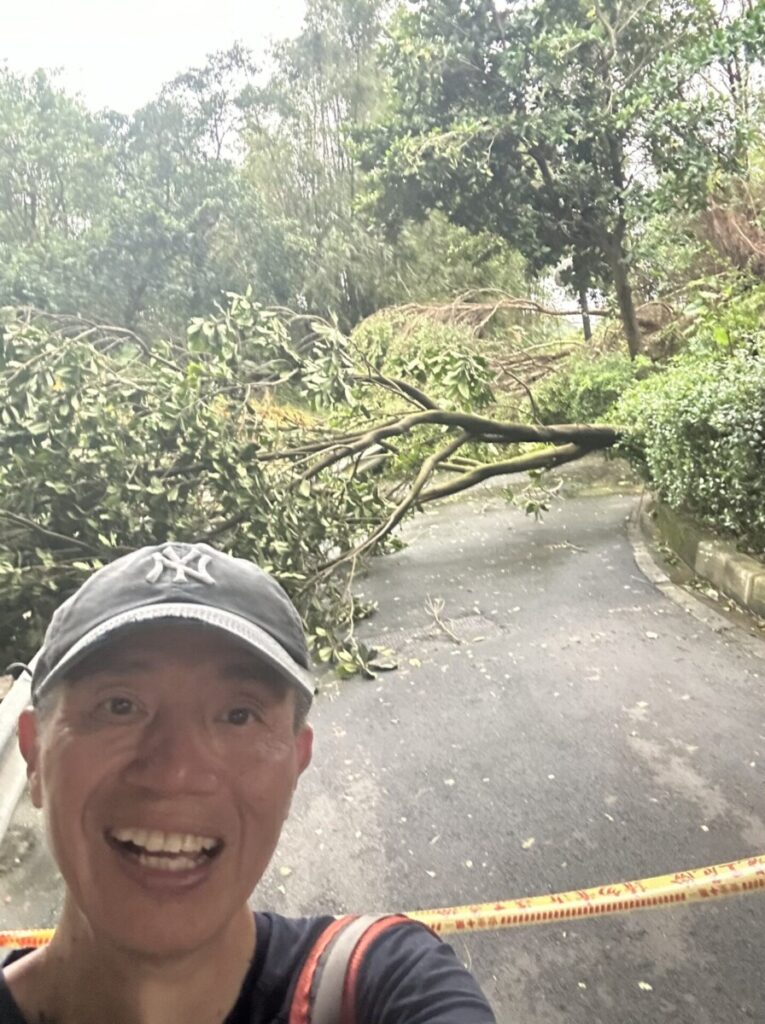
Now and here
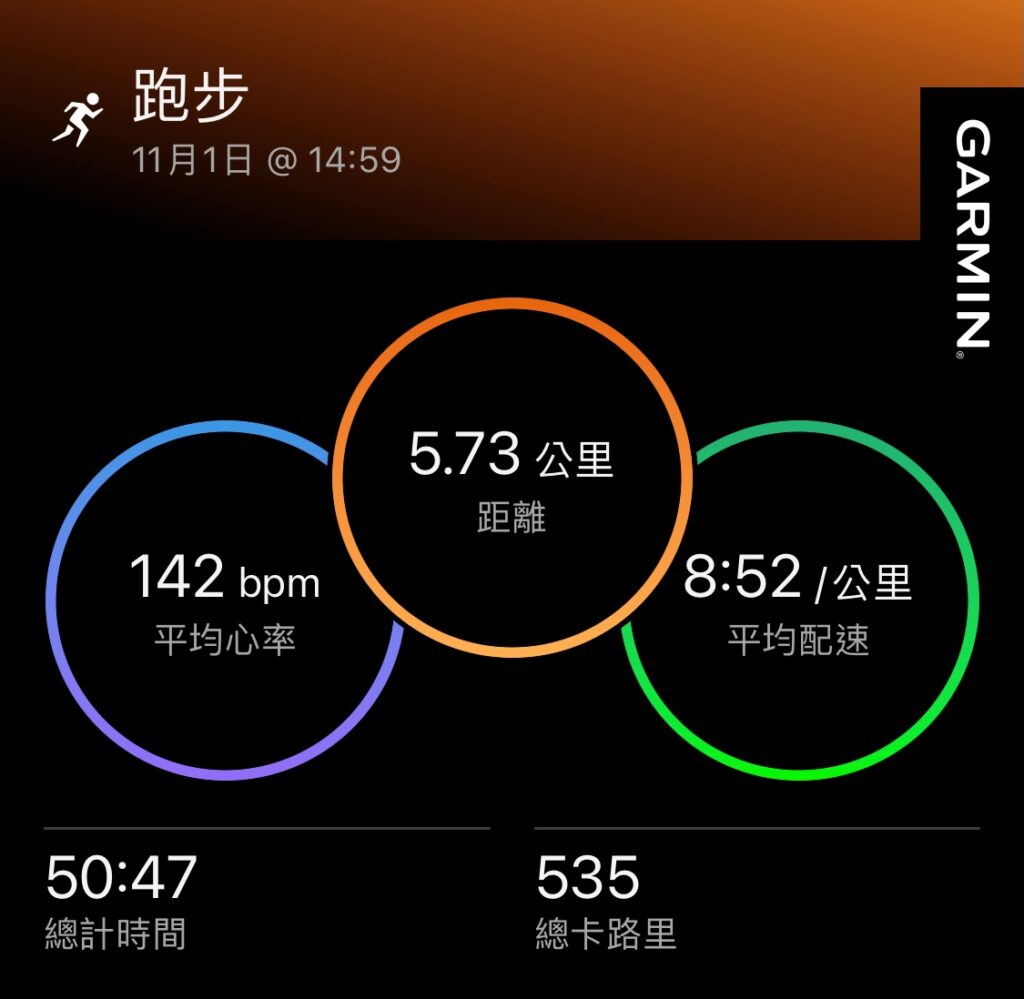
不想讓橫在路上的倒木,擋住橫在路上的心,就這樣。
2024/11/1 颱風後首跑 Damakey
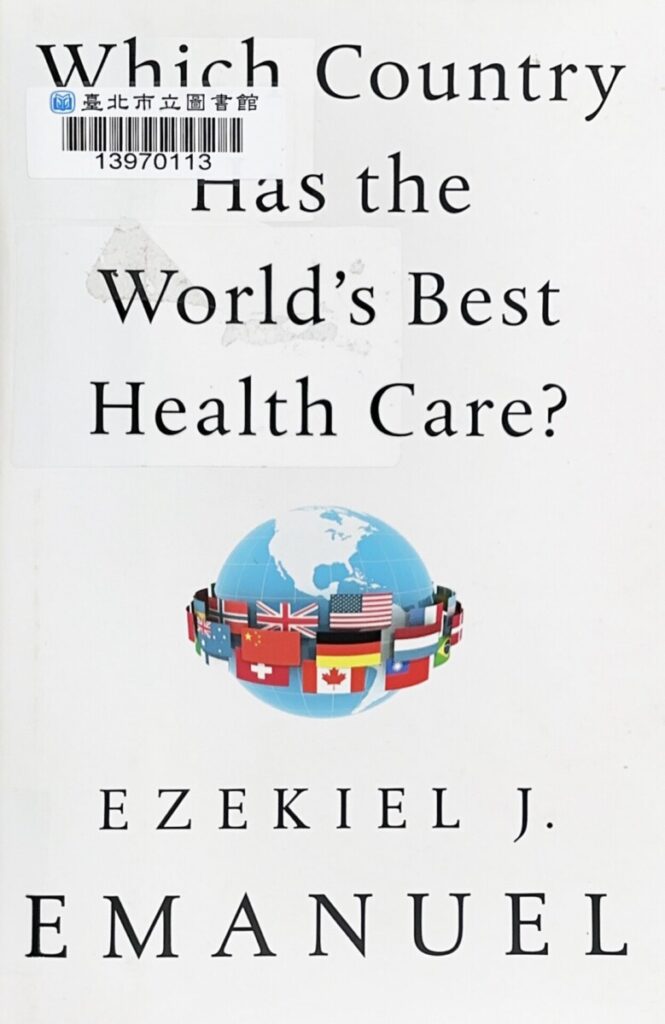
Which country has the best health care system? 哪個國家有最棒的健保系統?
答案是:沒有。
作者依以下幾個構面來𧗽量健保系統的優缺:
History 歷史延革
Coverage 涵蓋人口範圍
Financing 財源及財務的穩健程度
Payment 醫療費用支付
Delivery 醫療服務的便利性
Pharmaceutical Regulation 藥品及價格管制
Workforce 醫護量能
結論是,每個國家的健保系統,都有它的缺點。
雖然沒有最好的健保系統存在,但是依照作者的評量,以下的幾個國家被評為第一等級的:
Netherland 荷蘭
Germany 德國
Norway 挪威
Taiwan 台灣
The top tier would include Germany, the Netherlands, Norway, and Taiwan. The top achiever among them would depend upon which set of criteria is being prioritized. For instance, the Netherlands excels at choice of primary care physician and hospital as well as chronic care coordination, and it is one of only 2 countries not muddling through the financing of long-term care—it has explicitly tackled the issue. Importantly, the Netherlands does not perform poorly on any specific dimension. Similarly, Germany offers free choice of sickness fund, any physician, and any hospital in the country; affordable care; no waiting times; and, like the Netherlands, a dedicated funding mechanism for long-term care. Its deficiencies are a significant overuse of hospital care, no system for chronic care coordination, and no real data and incentive to systematically improve the quality of care. In addition, Germany has over 100 sickness funds (insurance companies) that do not seem to really compete and strive to improve quality, thus consuming money with no clear added benefit to patients. Norway is another top-performing country, with good affordability of physi-cians, hospitals, and pharmaceuticals. It also has a wide choice of physicians and hospitals, although choices narrow for patients once they are admitted to a hospital. The deficits are a heavy financial burden for long-term care on patients and families; suboptimal care coordination, especially for chronic illnesses; and persistent waiting times for certain procedures. Taiwan has excellent choice of physicians and affordability of care, including pharmaceuticals; an outstanding electronic health care system; and nonexistent waiting times. The flip side is that Taiwanese patients have very limited interaction with doctors, who see way too many patients very quickly, Spartan hospitals, no chronic care coordination, and no coherent system for long-term care.
大意是:
荷蘭:病患可自由選擇主治大夫及醫院;慢性病的協調優異;並且荷蘭直接面對了問題,並未陷入長照的財務泥淖之中。荷蘭健保系統的主要優點,就是兼顧到了各個構面,並沒有任何一項的表現是差的。
德國:病患可自由選擇參加哪一個醫療基金、哪位主治大夫、入住什麼醫院;醫療費用是患者負擔得起的;醫療不用長時間等待;和荷蘭一樣,長照有特定基金來支應。德國的缺點是醫療資源的濫用,慢性病沒有協調的機制,而且沒有數據也未提供醫療系統激勵措施來促進醫療品質的改善。而且,共有超過100個醫療基金,其間缺乏競爭,往往耗費醫療鉅資,但並不確定對患者是否真的有益。
挪威:患者負擔得起主治大夫、醫療院所及藥品的費用。患者可以自由選擇主治大夫和醫療院所,只是一旦入院之後就有所限制了。然而在長照上,對病患和家屬就是沈重的費用負擔。醫療資源的協調不佳,尤其在慢性病上。某些手術,長期存在的問題是,必須經過漫長的等待才得以進行。
台灣:病患可自由選擇主治大夫,醫療費用低廉,包括藥品的費用。健保系統數位化。就醫毋需等待。台灣的問題是醫病之間的互動太少,醫生看太多病人,而在每位病患身上花的時間太短。慢性病沒有協調機制,也沒有長照的相關系統。
……
而在作者評估中,健保制度最差的是美國和中國。至於原因,在此先略去。我比較有興趣的是,到底人家怎麼評價台灣的健保制度。
在健保的涵蓋範圍部分(Coverage),基本的原則是要包括所有的人民,費用要是負擔得起的,而在取捨之下有些疾病就無法納入給付。所以有些國家,不保牙科及眼科。但是隨著醫學的進步,現在發現口腔的疾病攸關身體的健康,所以不保牙科就有待商榷了。
台灣的情形呢?
Taiwan’s National Health Insurance (NHI) is also truly universal, simple, comprehensive, and affordable. The benefit package includes just about everything-inpatient and outpatient services, Western medicine, traditional Chinese treatments, and dental and vision care for both children and adults. The excluded benefits in Taiwan are idiosyncratic, including birth control, abortion, smoking cessation therapy, and drug addiction therapy. Although there is significant cost sharing for some, Taiwan, like many countries, reduces or eliminates out-of-pocket spending for people with certain serious conditions or low incomes.
大意:台灣的全民健保,基本上是真的涵蓋了所有的人民,制度簡單、完整,醫療費用患者負擔得起。醫療給付範圍包括門診、住院、西藥、中藥,也包括成人及兒童的牙科及眼科。未包括的則是一些特定的醫療,諸如避孕、墮胎、戒煙、戒毒。有些項目的自付額也蠻高的,但對一些重大疾病或者是低收入戶的自付額,也有減輕或減免的措施。
……
健保是昂貴的,決定健保的財源,需要政治的勇氣,而且往往代表價值的判斷。主要的原則是:收入比較高的人要負擔比較多;保護弱勢的群體(低收入戶、慢性病人、兒童);確保長期健保財源的穩健;健保的費用,要有所控制。
台灣全民健保的狀況呢?
…Taiwan subsidizes low-income residents and has some other plans to help them, including interest-free loans for people who have outstanding medical debt…
…Taiwan waives out-of-pocket expenses for its poorest residents, veterans, children under 3, and patients with catastrophic illnesses like cancer. Additionally, Taiwan’s NHI waives prescription co-pays for roughly 100 chronic conditions-including diabetes and high blood pressure-as well as co-pays for certain intense physical therapies; it also reduces co-pays for people living in remote areas…
大意:台灣全民健保會補貼低收入戶,醫藥費也提供無息貸款。減免低收入戶、榮民及3歲以下小孩的自付費用。免除了大約100種慢性病的處方自付額,包括糖尿病、高血壓,以及一些重大的物理治療。也減少住在偏遠地區人民的自付額。
…..
台灣的健保費用,和薪資所得相關,大致符合較高收入者付較高費用的原則,但是有調整的空間。台灣潛在問題是長照的基金財源不穩而且長期基金總額不足的問題。
依照衞福部網站的資料,『…..長照財源包含遺贈稅、菸稅、菸品健康福利捐、捐贈收入、基金孳息收入、其他收入(房地合一稅)及政府預算撥充。…』
每年長照財源收入約新台幣380億元,隨著老年人口的增長,很快就會枯竭。衞福部強調「以支定收」,認為不會不足,這是很奇怪的說法。因為一旦未來發現不足,那時候保證能馬上收到足夠的錢嗎?
長照財源最穩健的德國和荷蘭,他們是怎麼做的呢?
The Netherlands and Germany stand out because both have dedicated taxes to finance long-term care. In the Netherlands payroll taxes, patient co-pays for services, and government subsidies from income taxes finance long-term care. Coverage historically focused on institutional care, but it has since evolved to include care at home. Germany’s long-term care insurance parallels its health insurance, functioning partly through statutory sickness funds and partly through private health insurance. Most of the 3.3 million beneficiaries receive cash payments for care at home. The payments can compensate family caregivers or be used for the hiring of professional care providers.
大意:荷蘭的長照財務制度,收入是課自薪資所得稅,患者的長照服務有自付額,長照費用也由政府編列預算補助,而這也和所得稅收有關。支付涵蓋範圍,也從長照機構擴大至居家照顧。德國則有長照的保險制度,大部分是提供現金補助做居家照顧,可以用來請陪伴者或專業的照顧人員。
……
Taiwan did not have a national health budget, but shortly after introducing the national health insurance scheme it added one to control spending. Taiwan adjusts payment levels to physicians quarterly to remain within its budget.
大意:台灣每季會調整對醫生的給付標準,來確保健保支出在預算之內。
Taiwan’s system is relatively simple. Patients face modest out-of-pocket expenses at the point of service, with certain vulnerable populations facing no out-of-pocket payments. However, the back-end system—the payment to physicians and hospitals—is more complex. The primary method of reimbursement is fee-for-service, with payments that the government adjusts each quarter based on use patterns to stay within the national budget. But there is also a DRG system that covers about one-quarter of inpatient care.
大意:台灣健保在看病時病患付得少。健保支付醫師及醫療院所,基本上以服務量決定付費多少,並每季調整標準以控制預算。在住院支付上,也有以診斷關聯群(DRG , Diagnosis Related Groups)來決定支付總額的。
(診斷關聯群(DRG;Diagnosis Related Groups)支付制度是以住院病患的診斷、手術或處置、年齡、性別、有無合併症或併發症及出院狀況等條件,分成不同的群組,同時依各群組醫療資源使用的情形,於事前訂定各群組的包裹支付點數。~衞福部網站)
Swiss patients with the regular, basic insurance can go to any doctor (insurers are required to cover any willing provider) and can go to any hospital in any canton. Similarly, the Taiwanese have unlimited choice of both physician and hospital without a referral; the only incentive for obtaining a primary care referral is a relatively modest discount in out-of-pocket costs. Patients can even show up at ambulatory centers and hospitals and ask for tests on their own, without physician orders.
大意:台灣人可以隨意找任何醫師、醫療院所就醫,完全沒有限制。如果先到小診所看病再轉診者,費用則會有些許的優惠。
On waiting times, Taiwan is an outlier. It is a single-payer system with relatively low spending, free choice of provider, and not a particularly high number of physicians. In short, it is the type of system that would seem prone to long queues. Yet waiting times appear nonex-istent, even for specialty care. The dominant explanation is that physicians churn through patients quickly so that the Taiwanese see the doctor frequently and easily, but they do not get a lot of time or attention when they do. So although patients may have high access to physicians and no waiting times, the burden is loaded on overworked physicians. This has Taiwanese officials concerned about burnout and quality.
大意:看病不需長時間等待,是台灣健保的亮點,但問題是醫生看太多病患而且看得非常匆忙,醫療品質堪憂。
Taiwan’s major innovation is a well-functioning, advanced electronic medical record-something many other health systems have failed to accomplish. Taiwanese patients’ records are available to any practitioner in any part of the health care system. This successful innovation may have something to do with Taiwan’s booming tech sector and how it created a universal coverage system-virtually from scratch-relatively recently. There were no legacy electronic health records or payment systems to eliminate, as is the case in other countries.
大意:台灣健保的主要創新,是將醫療記錄數位化,每位醫生都可以透過健保系統,查到患者在過去的所有就醫記錄。
In reference pricing, a country assesses prices by looking at costs for the same or similar drugs. In external reference pricing, the country assesses the prices charged for the same drug in other countries (external) and uses the median, average, or average of the lowest prices to establish its price. The Netherlands, Canada, France, Norway, and Taiwan use international reference pricing in setting prices, with the exact process varying among countries….
大意:對藥品價格的管制,一般都會比較國際間同一種或學名藥的價格之後制定。台灣也是。
讀後結論:
台灣健保制度的優異,是世界性的,備受矚目,我們應該引以為榮。
就醫方便、費用低廉、健保費用控制得好、醫療記錄電子化,是我們的強項。
而我們應該注意的是,醫病互動少、醫療品質的潛在問題;容易就醫,可能產生的醫療資源浪費;健保的財務薄弱尤其是長照的財源,這是需要政治勇氣來加以改善的。
台灣優異的全民健保,得來不易,要守護好它。天下沒有白吃的午餐,要健保可長可久,我們就得多付出,尤其是社會中所得較高的人。
*:Ezekiel J. Emanuel, Which Country Has the World’s Best Health Care, 2020, Hachette Book Group, Inc.
2024/10/31 Which Country Has the World’s Best Health Care Damakey
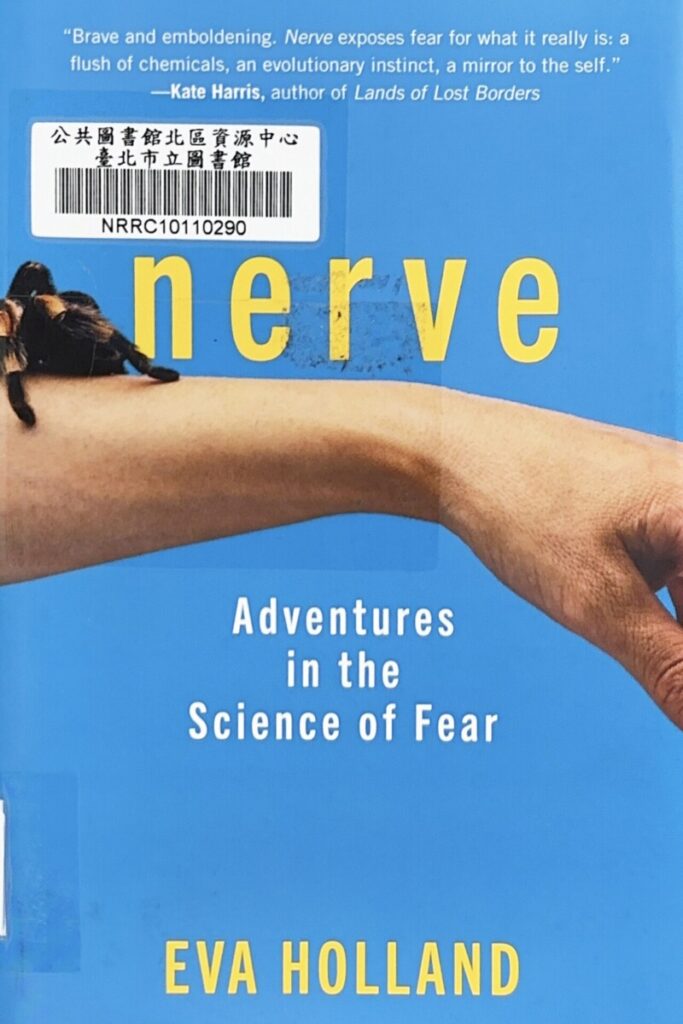
您心中有特定的恐懼嗎?不用害怕,現在有簡單的方法和藥物可以醫治。
什麼是恐懼(Fear)?
美國心理學先驅Granville Stanley Hall(1844-1924),把恐懼(Fear)定義為「對痛苦的預期」(the anticipation of pain)。*
傳統對恐懼(Fear)的看法是,一旦在心裏已經形成了,就根深蒂固而無法改變,這就是所謂的「固化理論」(Consolidation theory)。
治療恐懼(Fear),有所謂的「減敏療法」(Exposure therapy),透過患者不斷直面恐懼,而逐漸降低其對恐懼的敏感度而產生療效。
然而,依照「固化理論」看來,「減敏療法」的效果,註定有限。
曾在University of Amsterdam 任職的Merel Kindt 教授,有一個神奇的辦法,可以治癒恐懼(Fear)。
In 2013, Kindt recruited subjects who were very afraid of spiders—one of the most common phobias, and a fear that is also relatively easy to control in a laboratory setting. She instructed the participants to approach a terrarium that held a tarantula inside. Most of the participants struggled even to look at it. After two minutes, Kindt took them to another room and gave them either propranolol or a placebo. A few days later, Kindt put them back in the room with the spider. Every single participant in the propranolol group was able to approach the tarantula and, even more incredibly, reach out and touch its hairy abdomen with a finger. A year later, the propranolol group still reported levels of spider fear so low they would not have qualified for the study in the first place.**
大意:Merel Kindt 教授在2013年針對蛛蜘恐懼症患者所做的實驗。她先讓這些患者接近玻璃杯中的毛蜘蛛(捕鳥蛛),以喚起他們心中的恐懼。兩分鐘之後,Merel Kindt 教授帶他們到另外一個房間,依照實驗組和對照組,分別請他們分別吃下心率調整錠(propranolol)或安慰劑(placebo)。
幾天之後把患者召回,發現吃下心率調整錠(propranolol)的患者都克服了恐懼,變得能夠接近甚至接觸毛蜘蛛(捕鳥蛛),而且在一年後還保持這樣的效果。而吃安慰劑的患者,對毛蜘蛛(捕鳥蛛)則依然感到恐懼,沒有任何改變。
……
Merel Kindt 教授的研究,發想於當時任職於美國紐約大學的Karim Nader,在2000年發佈在 Nature雜誌上,關於成功改變老鼠恐懼心理的實驗。
Nader theorized that old memories were made “labile” whenever they were recalled, and required further protein synthesis in order to remain usable in future situations. In other words, under the right circumstances, our memories could be changed.**
大意:Nader的理論是,每當心裏的恐懼被喚起的時候,恐懼的記憶就變得不穩定了,需要進一步的蛋白合成才能再度固化它。換句話說,在這個時候,恐𢣷的記憶就可能被(藥物)改變。
Merel Kindt 教授對恐懼的實驗療法,改用對人副作用比較小的心率調整錠(propranolol),作為干擾恐懼記憶再度固化的藥物。
心率調整錠(propranolol),是蘇格蘭藥理學家詹姆士·懷特·布拉克爵士(Sir James W. Black,1924-2010)所發明的,是一種Beta 受體阻斷劑,用來治療心絞痛,他因此在1988年獲頒諾貝爾獎獎。
布拉克爵士大概沒有想到,那種藥也可以用來讓人減輕恐懼的印記。
讓患者不再感到恐懼,真是大功大德啊!
*:Eva Holland, nerve, Adventures in the Science of Fear, 2020, The Experiment, LLC.
**: Ben Crair, 〈The Cure For Fear, Scientists have discovered a radical new way to treat our most traumatic memories〉, May 2, 2016, New Republic
2024/10/31 nerve, Adventures in the Science of Fear Damakey
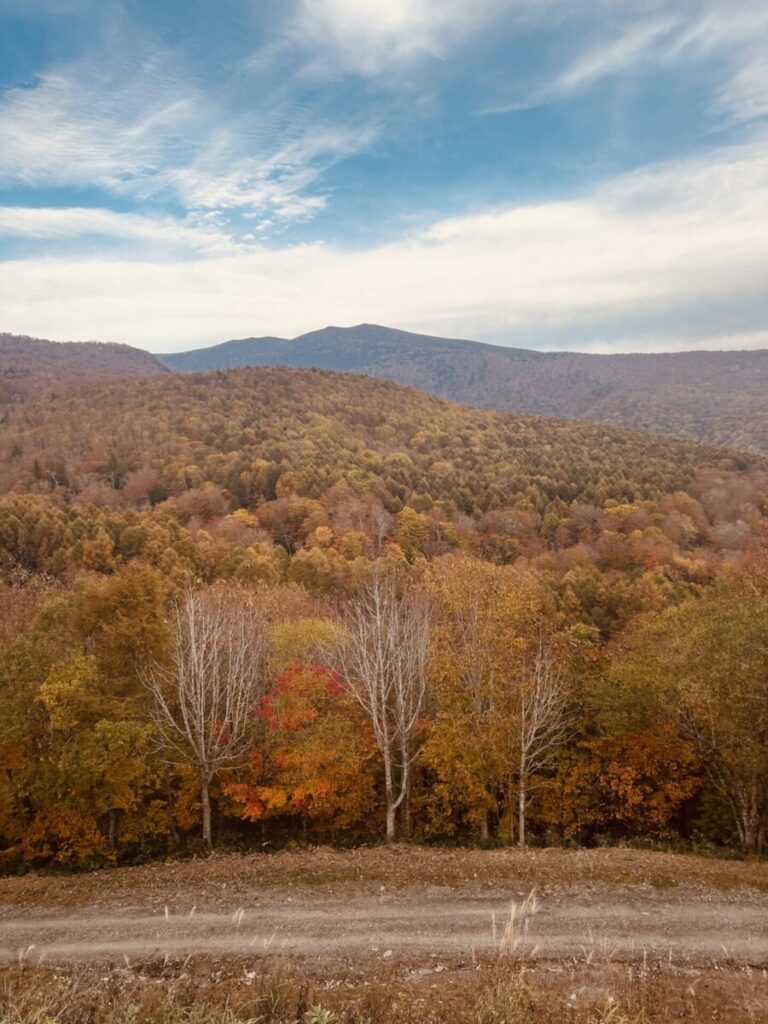
據說
楓紅遲了
10月底
日本的秋
顏色了東北
黃紅的漸層
不張揚
也不隱瞞
累積整年
悶燒的風華
好像
年獸窺近了
iPhone的狩獵
不束手就擒
也不掙扎
真心的喜悅
揮一揮手
自然美
深度再見
2024/10/28 日本遲到的秋 Damakey
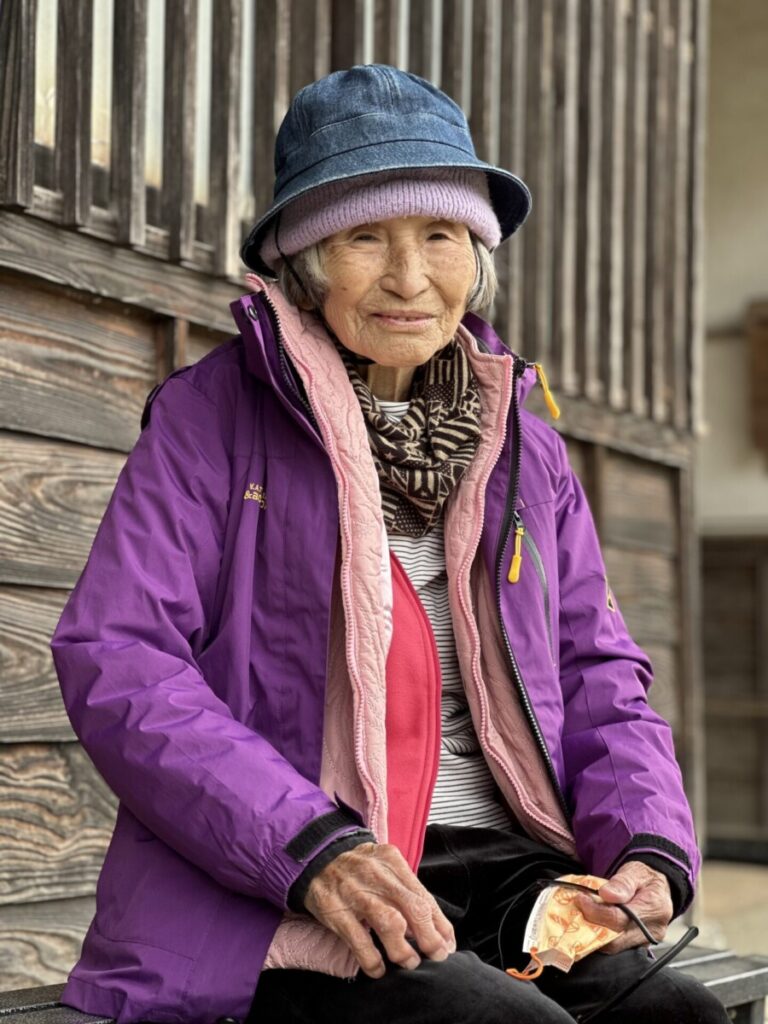
屏東媽媽剛剛從日本返台,就鄭重向我們宣布,這是最後一次去日本了,年紀有了,自已最知道自己的身體,日本已經去了三次,她已經滿足了。
我聽了有點小難過。
新潟回台北的飛機,從日本時間大約傍晚6:30開始登機,加上時差1小時,到台北家中,已經接近深夜了。
在飛機上,一等安全帶指示燈熄滅了,我就邀她去上了廁所,但她好不容易站了起來,感到飛機還沒有完全平順,空姐也過來關心,就迅速坐了回去,不上了。
在飛機上吃完素食晚餐之後一直到下飛機,屏東媽媽只上了一次廁所。
我之後詢問問了幾次,她都說還好。
事後我才知道,她坐在窗邊,怕麻煩到我臨座的香港客人。
為了少上廁所,她只喝一小瓶飛機餐附的橘子汁。
她低下身體去調整鞋帶,說感覺束得太緊了。
我認為是久坐血液循環不好,就問她要不要起來走走,順便上上廁所,但是她又說不用。
後來,飛機開始下降,屏東媽媽開始挪動身體,並伸展雙腳,看來久坐令她感到不舒服了。
等到飛機上的人都下了飛機,我們才開始移動,滿心期盼昇降梯可以為這趟空中旅行劃上一個完美的句點。
晴天霹靂的是,機場作業人員突然告知我們,只申請了輪椅服務,如果要臨時申請昇降梯,要等上半個小時到一個小時的時間……
屏東媽媽從飛機的小窗,探看一下停機坪上的梯子,大叫了一聲,「可是那梯子很陡唉!」。
一群空姐圍著我們,面面相覷。她們要我們最後下飛機,基本上就是昇降梯的標準作業程序。她們想提供好的服務,但在當下,卻是希望屏東媽媽服務她們。
我很氣,脫口而出,「這也不是第一次坐你們的飛機!」
我拉著屏東媽媽,跟她說我陪她慢慢走。
空姐說要幫我拿屏東媽媽的外套,我斷然拒絕。
有位年紀比較長的穿白色襯衫的工作人員(後來想起來應該是機長),說要幫我扶屏東媽媽下登機梯,我也說不用。
真的太氣了。
我就跟屏東媽媽,緩慢地一步又一步地,在停機坪上接駁車的眾目睽睽之下,走下了飛機。
我其實應該向車內的人說抱歉延誤了大家的時間,但是我應該是鐵青了臉,完全說不出話來。在當下,我只在乎屏東媽媽的感受,而不是眾目睽睽的眼睛。
在特別的通道,碰上了機長、副機長以及一臉陪著小心的空姐們,他們謙讓我們先上電梯,推屏東媽媽輪椅的小弟示意要他們先上,但他們堅持我們先上。
我應該說謝謝才對。但是太氣了,氣斷了理智線,我居然脫口而出,「他們不敢!」
深夜回到住家,屏東媽開始找茶濾和茶海,她要泡茶。
我說,凌晨喝茶,不怕睡不著嗎?
屏東媽媽笑著說,睡不著就睡不著,反正已經回來了。
這幾天由於行程滿檔,屏東媽媽自備的茶具都沒有能派上用場。
其中有一天,在五色沼的飯店,大家去走步道,我陪屏東媽媽先回到飯店休息。本來是有機會泡到茶的,只是日本的飯店東西收得太隱密,我快快遍尋不得熱水壺,屏東媽媽為了讓我在天黑前趕快去走步道,督促我先走,說她自己再找就好了。
我記得上次在日本四國金刀毘羅宮附近的飯店,屏東媽媽也是自己一個人留在飯店,悠閒地泡茶休息。
我就放心先離開。事後才知道,屏東媽媽也沒有找到熱水壺,沒有泡到茶,令人扼腕。
屏東媽媽讓我們做子女自我感覺良好的是,她凡事總是想自己去做,而且往往大都能夠自己做。
有時候,反而是我們急切想幫忙的心,被斷然拒絕了,會有點小受傷呢!
沒有泡到台灣帶去的茶,水喝得太少,這成為腳會水腫的原因之一。
另外一個原因,就是日本的自助餐,沒有太多素的熟食,大多是涼拌、生的。這對吃純素的屏東媽媽就是一個很大的挑戰。往往逛了半天,她托盤上潔白的盤子中,只點綴了少少的蔬食。味噌、麵湯喝得相對多了,就攝取了太多的鹽份了。
所幸隔日一早,腳已經消腫不少,在回程的高鐵吃了台灣的素食,返回了屏東,從手機又終於聽到她開心的聲音了。
上了年紀的人,就是喜歡待在自己熟悉的地方!
遊覽車上的人說我們可以帶媽媽出來玩真好,言外之意是滿足了媽媽的心願。
其實,屏東媽媽是有點勉強自己的身體陪我們出門,不如說是滿足我們的心願吧!
屏東媽媽並不是一位隨便應和的人,她總是有自己的想法,而且往往很堅持。
飛機餐盒的錫箔包裝要掀開多少;什麼時候要上廁所,時間要充裕而且絕對不能催促她;暫停時輪椅要轉什麼方向;扶她的時候你要站什麼位置,只能讓她握不可以握她的手;什麼食物屬於「太冷」不能吃,什麼食物會令腸胃脹氣,她說了才算;什麼時候坐輪椅,什麼時候起來走動,她決定;…..
照顧屏東媽媽的人,如果有太多自己的意見,想控制她,那往往就是自討苦吃了。
我倒覺得,屏東媽媽的各種大大小小的堅持,是她的率性,也是她生命力堅強的表徵。
這也是為什麼83歲了她還能堅持自己騎摩托車去市區買自己想買的東西、想吃的素食,而當旁邊的陌生人表達欽佩的時候,她就直白地說,不然那要怎麼辦⋯⋯那是實情,我們這些子女,無法時時照顧到她的需要,也只能尷尬地陪在旁邊苦笑。
屏東媽媽的名言:我(必須)要自己奮鬥。
她騎車令我們擔心,但是至少尚能完全自理生活,是我們身為子女的幸福,她是我們無上的驕傲。
屏東媽媽總是顯得那麼強,那麼堅強,我有時候會感到,生活過得如此認真,好辛苦,好不忍心。
但是,她凡事要嚐試,要自己來,屏東媽媽口中的無奈,卻令人不得不打從心裏對她的意志力佩服得五體投地呢!
活著就要動,所謂的「活動」,屏東媽媽就是堅持了83年還繼續「奮鬥」下去的好例子。
在各處的景點,我最喜歡為她拍照,很奇怪的是,這是她唯一幾乎不曾拒絕過我的事。不管是坐在輪椅上,或要求她站到景物之中,她都從善如流順,完全由我的意。
我必須承認,我喜歡從她的身上,照到歲月流過而益加堅強的顏色。我也喜歡她「矜」(ㄍ一ㄥ)了一整天而不經意流露出來短暫的笑容。以及,超越滄桑的人生,歷經大風大浪之後,安心下錨的淡定和從容。
感謝屏東媽媽,陪我們又去了一趟日本。
翻出在大內宿茅草覆頂的合掌屋下屏東媽媽的獨照,我反覆欣賞著。
屏東媽媽平常都是她自己的,只有在我幫她照相的剎那,才是我的屏東媽媽。
我一直希望明年四月再帶她到日本看櫻花,這是我們的期望,但是想想,什麼又是屏東媽媽的期望呢?那才是重要的吧!
在登機之前,屏東媽媽一直擔心她保溫瓶中有水過不了安檢,我找不到地方可以倒水,機場人員告訴我X光機前有地方倒,但其實沒有。
硬闖X光機的下場,就是要翻出東西做檢查,當用氣泡塑膠密密實實包好的東西打開,露出屏東媽媽的小茶壺的時候,機場安檢人員意會地啊了一聲。
屏東媽媽就一直說,她早說過要先倒掉水,背包的東西才不會被翻開來檢查,啊……. 她心裡比什麼人都還要清楚啊!
屏東媽媽的堅持,並不是沒有道理的,難怪周傑倫要唱「聽媽媽的話」。
所以,要聽媽媽的話。
而且,別讓她受傷……
如果她改變了主意,就再去日本看櫻花。
如果她還是一樣故我,那麼什麼地方讓她感到安心,就陪她去哪裡走走吧!
畢竟,她不是普普通通的人,她是我們的VVIP,是我如假包換的屏東媽媽。
2024/10/27 我的屏東媽媽 Damakey
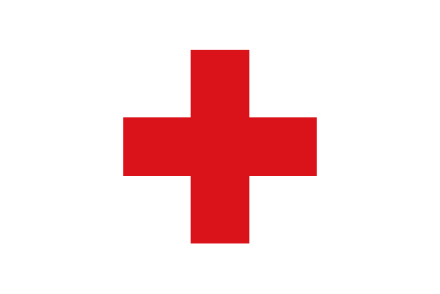
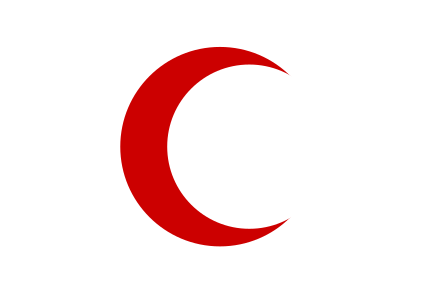
您知道從事國際人道援助的單位,除了叫做「紅十字」(Red Cross)會,也有「紅新月」(Red Crescent)會嗎?
紅十字」(Red Cross)會的源起,是1863年發生的一場戰爭。地點在義大利北部,介於米蘭和威尼斯之間的蘇法利諾(Solferino),。
參戰的是三個皇室,分別是主張擁有義大利主權的奧地利皇帝Franz Josef I,對上法國皇帝Napoleon III和義大利蕯丁尼亞的國王Victor Emmanuel II組成的聯軍。
戰事的結果,奧地利退出了義大利半島,促成了義大利的統一。
當時有位瑞士商人Henri Dunant,尋求法國殖民地阿爾及利亞玉米交易未果,轉直接訴諸法國皇帝Napoleon III,他剛好在戰事剛剛結束的時候,抵達了蘇法利諾的戰場。
有四萬名各方死傷的士兵,被遺棄在戰爭上自生自滅,可以說是哀鴻遍野,令他感到非常震驚。
他於是乎發動義大利的平民前往救助,並協調義大利聯軍釋放俘虜的奧地利醫護兵加入,醫藥器材則由他自掏腰包購買供應。
他深深覺得在戰爭中的醫療人員應該受到保護,因此回到瑞士,開始籌劃組織,「紅十字會」誕生了。
而為什麼標誌是紅色的十字呢?
原來,瑞士這個中立國的國旗是紅底白十字,「紅十字會」只是把顏色反過來,成為白底紅字。
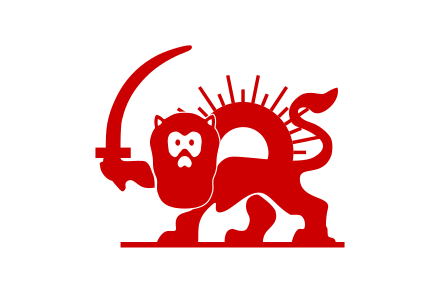
但是以十字為標誌,那代表是基督教,回教國家無法認同。因此奧圖曼帝國用了紅色的新月,伊朗用了紅色的獅子和太陽。
2005年,為了彌平爭議,通過用紅邊空心水晶圖形(Red Crystal),而任何增加的圖形,都必須放在那個水晶圖形紅框中。但是,是否解決爭議,尚在未定之天。有很多救護人員,身上的標誌,乾脆是把紅十字及紅新月印在一起。
記得小時候,規定要拿錢到學校,因為要買紅十字會發行的郵票,也只知道有「紅十字會」,現在才知道也有「紅新月會」。只是,現代戰爭武器的威力,不管是什麼樣的標誌,躲得過誤擊或者是連帶性的死傷嗎?
*:Colin Salter, 100 SYMBOLS that changed the world, 2022, HarperCollinsPublishers
2024/10/24 Red Cross and Red Crescent Damakey
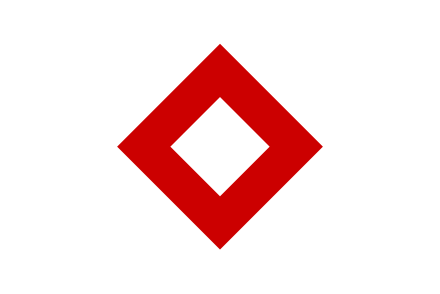



Swastika的「萬」字符號「卐」,被希特勒傾斜了45度角,作為德國納粹的代表符號之後,自此惡名昭彰。
對於受過納粹暴行的國家及人民,尤其是以色列及猶太人,莫不視Swastika的符號為最大的惡,是非常忌諱提起的事物。
然而,Swastika的符號,古已有之,而且本來有非常好的意義。
根據維基百科,「卐」字稱為「swastika」,這源於梵語拉丁字母轉寫的「svástika」(梵語:स्वस्तिक,……)。
印度教的「卐」字形狀和常見的「卐」字符不同,它還包括四個圖點。
但是不管怎樣,「卐」字在印度教、佛教、耆那教等宗教中被認為是一個代表神聖和吉祥好運的標誌。
「svástika」的梵語स्वस्तिक,其原義就是「與幸福有關係的小物件」或「吉祥好運的標誌」。
They are most widely associated, historically, with Hinduism and Buddhism, and the earliest examples in the Indian subcontinent have been dated to around 3000 BCE. The word ‘swastika’ is Sanskrit for wellbeing. It is from these Asian roots that the swastika began to acquire more specific religious connotations. In Hinduism, for example, the symbol is often placed over doorways and at the start of financial documents to confer good fortune. A clockwise swastika (one with the hooks turning to the right) represents the sun, an anticlockwise one (sometimes called a ‘sauwastika) the night and the goddess Kali.:.*
大意:swastika的符號,在西元前3000年就出現在印度了。在印度教,swastika的符號代表的是好運、福氣。順時針右旋的「卐」,代表白天,而逆時針左旋的「卍」則是代表夜晚。
藏傳佛教的轉經筒,都是從左向右順時針旋轉的,所以swastika寫成右旋的「卐」。(根據我的觀察,佛教繞著佛塔祈福的時候,也是順時針走的;但是,穆斯林繞行黑石,則是逆時針的)
佛教傳入中國之後,右旋的「卐」和左旋的「卍」的寫法都有。譯為「德」或「萬」,是「永恆不變」的象徵。(~摘錄自維基百科)
只是很可惜,這些swastika幸福、美好、福氣的象徵,不敵納粹短短25年的摧殘,而幾乎澈底污名化了。
swastika的音和泰文打招呼的「sa-wad-dii」的音很接近。
查了一下資料,發現泰文的問候語sa-wad-dii,是泰國的Uppakit教授所創造推廣而成的。
他將「卐」的梵語स्वस्तिक(Swastika)引入,依泰國人的發音習慣轉音為sa-wad(สวัส),加上泰語中的「好」(ดี,音dii),就成為泰國人現在常用問候語sa-wad-dii(สวัสดี)了。
世界上對Swastika的「卐」(萬)字符號深惡痛絕的人,大概不見得知道在亞洲的泰國,那兒有一大群深愛和平、本性善良的人民,每天時時掛在嘴上的祝福,就是源於那個字符的sa-wad-dii(สวัสดี)呢!
我想,與其看到Swastika的「卐」(萬)字符號就如見蛇蠍,那還不如認真思考什麼是最大的惡,那不就還是不長眼的戰爭和屠殺嗎?
納粹已死,但是最大的惡依舊張狂存在著。
sa-wad-dii(สวัสดี)。如果全世界的人,都時時可以如此相互祝福,那有多好。
*:Colin Salter, 100 SYMBOLS that changed the world, 2022, HarperCollinsPublishers
P.S. 相片為印度教多了四個點的Swastika「卍」(萬)字符號。(來自維基百科)
2024/10/23 Swastika符號「卐」 Damakey