
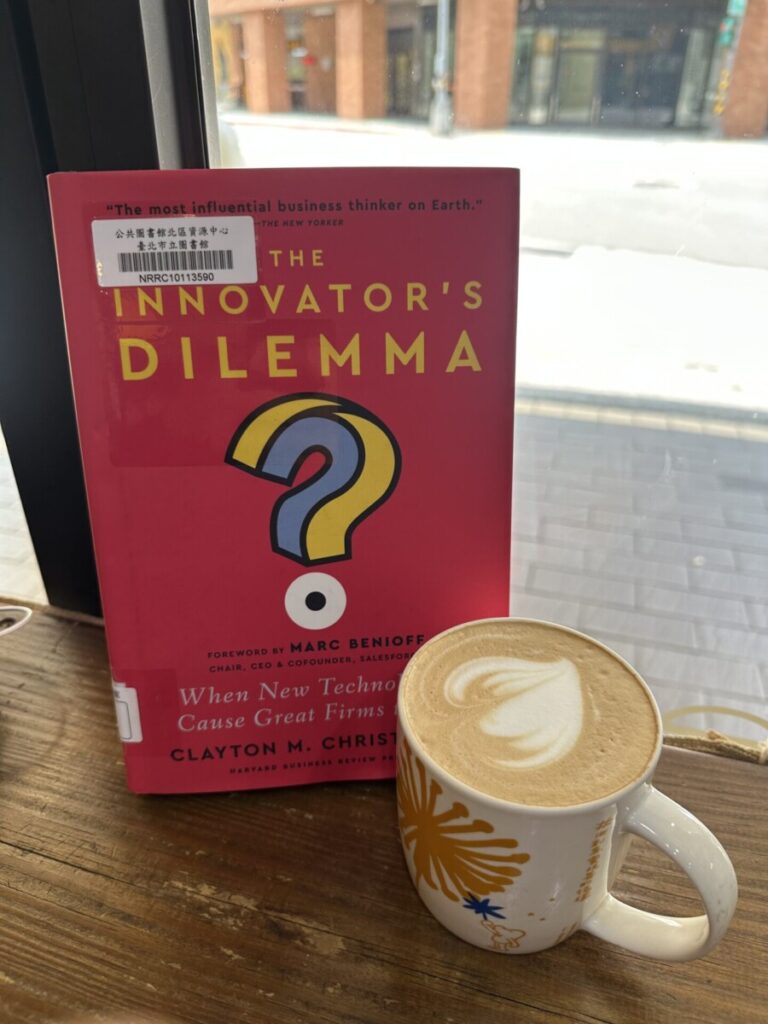
為什麼優秀的管理良好的大公司,往往失去創新的機會,而落至被市場淘汰而頹敗呢?
公司失敗的明顯原因可能是:
1. Bureaucracy 僵化
2. Arrogance 自大
3. Tired executive blood 管理層老化
4. Poor planning 失策
5. Shirt-term investment horizons 沒有遠見
6. Inadequate skills and resources 缺乏技術和資源
7. Just plain bad luck 或者純粹運氣不佳*
然而,很多經營十分出色的公司,不見得有前述明顯的原因,但卻在創新中敗下陣來,原因又是為何?
舉出幾個曾經偉大成功的公司:
Sears Roebuck
IBM
Digital Equipment Corporation(DEC)
Xerox
但是曾幾何時,它們已經被創新的公司所取代了。
現在大家聽到的則是:
Amazon
Apple/FB
Nvidia
AI: Chap GPT等
(而2026年7月則是Open Source AI 的Kimi。)
《The innovator’s Dilemma》這本書的研究,歸納出那些大公司在創新上面的失敗,成也蕭何敗也蕭何,正因為它們曾經是多麼風光成功,反而阻止了它們在創新方面可能的突破。
The research reported in this book supports this latter view: It shows that in the cases of well-managed firms such as those cited above, good management was the most powerful reason they failed to stay atop their industries. Precisely because these firms listened to their customers, invested aggressively in new technologies that would provide their customers more and better products of the sort they wanted, and because they carefully studied market trends and systematically allocated investment capital to innovations that promised the best returns, they lost their positions of leadership.*
大意:這些公司就是因為太注意聆聽現有客戶的聲音了,以致只投資在客戶喜愛的產品和服務上。它們應該也知道創新很重要,所以當然也做了很多很縝密的研究,以決定投入的方向。但是,很弔詭的是,它們正往往因此和創新失之交臂。
作者將破壞性創新的特性,歸納出以下幾項「破壞性創新原理」(Principles of disruptive innovation)
1. Companies depend on customers and investors for resources 只依現在的客戶和投資者的喜好來調整資源的配置。
2. Small markets don’t solve the growth needs of large companies 不重視一開始看起來相對小的市場。
3. Markets that don’t exist can’t be analyzed 不存在的市場是研究分析不岀來的。
4. An organization’s capabilities define its disabilities 管理得太完善以致無法突破創新。
那麼大公司怎樣才能打破這些破壞性創新原理的魔咒呢?
1. Give responsibility for disruptive technologies to organizations whose customers need them so that resources will flow to them. 把破壞性創新勇敢用在需要的潛在客戶身上。
2. Set up a separate organization small enough to get excited by small gains. 授權由專責的獨立小組去發展。
3. Plan for failure. Don’t bet all your resources on being right the first time. Think of your initial efforts at commercializing a disruptive technology as learning opportunities. Make revisions as you gather data. 勇於嘗試錯誤,透過試誤把握稍縱即逝的市場新機會。
4. Don’t count on breakthroughs. Move ahead early and find the market for the current attributes of the technology. You will find it outside the current mainstream market. You will also find that the attributes that make disruptive technologies unattractive to mainstream markets are the attributes on which the new markets will be built. 不要期待馬上有重大突破。破壞性創新往往一開始不受市場主流客戶接納,然而這正是新市埸出現的契機。
讀後
單一管理良好的大公司可能在破壞性創新上敗下陣來,但是資本巿場不會。
口袋深的創業基金,透過投資諸多的新創點子,據說在10個案子只要有1個成功(或更低的比例),不只可以回本,還可能一本萬利呢!
管理良好的大公司囿於當下的優勢,反而嗅不到市場的新機會,這是結構性的問題,看來也不是可以輕易教得會的。
如是看來,管理良好的大公司會持續被更創新的公司所取代,是沛然莫之能禦的長期大趨勢。
*:Clayton M. Christensen, The innovator‘s dilemma, 1997,2000, 2024, Harvard Business Review Press
2026/7/31 The innovator‘s dilemma Damakey
