
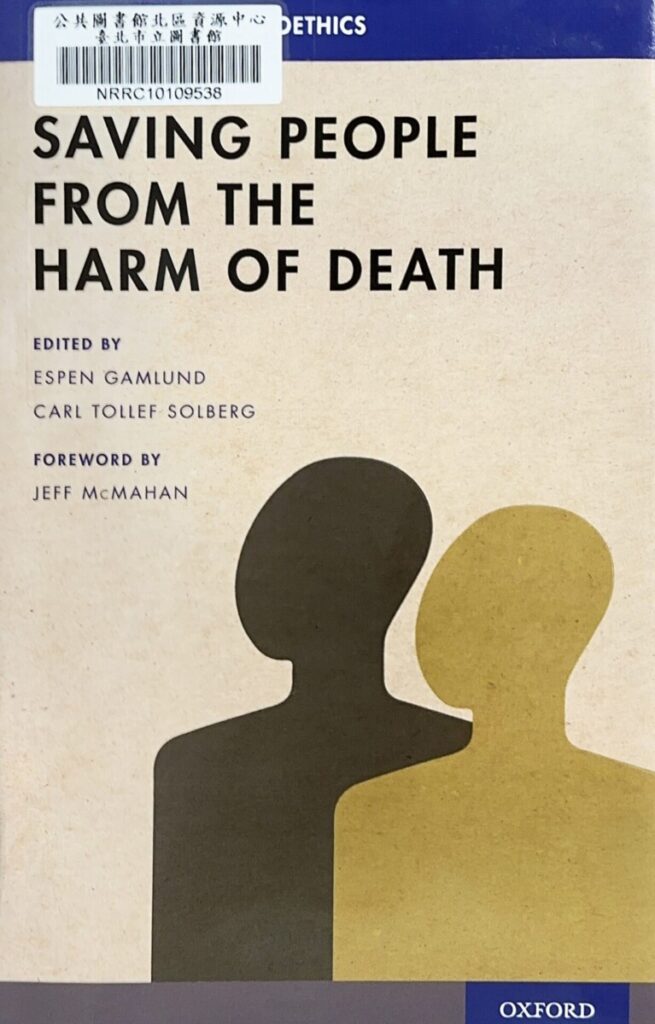
怎麼用數字衡量死亡所造成的傷害?(putting a number on the harm of death)。
健康和醫療的資源是有限的,如何把的資源更有效配置在嬰幼兒、青少年、壯年者,熟齡的族群之間呢?
衡量這種健康和醫療資源配置的有效性,一般是用健康綜合指標(summary measures of health), 諸如:
- 「質量調整生命年」Quality-Adjusted Life Years(QALYs): 依照生活品質調整之後的總壽命年,愈高代表有品質的總壽命愈長,愈好。
- 「失能(傷殘)調整生命年」Disability-Adjusted Life Years(DALYs): 因傷殘失能調整及早於預期死亡年齡去逝所損失的壽命年,愈高代表(因傷殘失能及早逝)損失的有品質的壽命愈多,愈不好。
理論上而言,一出生就死掉,一般人可享的餘生他都沒有,他的「損失額度」(disvalue)是最大的,假設是80。
相對地,如果一個人活到一般人的預期壽命,那麼他的「損失額度」將最小,譬如是20。
那麼在出生和預期壽命之間去逝的人,他們的「損失額度」就隨著去逝年齡的增加而等比例遞減,這就是「比較主義」(comparativism)的觀點。
現在的健康和醫療決策,不管是用「質量調整生命年」Quality-Adjusted Life Years(QALYs),或者是用「失能(傷殘)調整生命年」Disability-Adjusted Life Years(DALYs),都是採用「比較主義」(comparativism)的直線比例法。
值得注意的是「漸進主義」(gradualism)的主張。
基於三大假設:
- Termination Thesis:when I die, I cease to exist. 當我死了,我就不再存在。
- Deprivation Account:dead is bad for the decedent because of what she misses out on by dying. 死亡對死者之所以是不好的,是因為他因此錯過了餘生
- Gradualism:the characteristics that make dead bad for the decedent are not wholly present at birth, but usually develop gradually over time. 死亡不好的程度,並非在出生時是最大的,而是隨著年紀逐漸改變的。
「漸進主義」認為在不同的年紀,失去一年的生命,權重不是都是一樣的是100%。
‘…the disvalue of losing some amount of future life gradually increases from some point in infancy or childhood as the person develops cognitively…’
「漸進主義」認為人在剛出生就死亡,他的「損失額度」(disvalue)並不是最大的。
出生之後,隨著感知能力的成長,「損失額度」由0往上迅速變大。
感知能力充分成長之後達到最大值,接下來「損失額度」隨著年紀增加而逐漸依比例減少。
Joseph Millum在爬梳完相關論文之後,總結了他的觀點:
- 死亡的「損失額度」應該從孕期28週開始計算。(Dead should be regarded as bad for the decedent starting from 28 weeks’ gestational age…)
- 「損失額度」的曲線應該是圓滑連續的。(a smooth curve)
- 「損失額度」曲線的最高點應該在滿5歲的時候。(…By age 5,normally developing children have had desires, memories, and self- consciousness for some time…)
- 2歲兒童的身體的功能,已經基本齊備,比較合理的做法,是賦予合理的「損失額度」。(The chance that a 2-year-old has everything that it takes for death to be bad for her seems to me much higher than the chance that she has nothing or little of what makes death bad for someone.)
結論
台灣的健保,基本原則也是以「損失額度」(disvalue)來決定願意付出的藥費的。
簡單講如果一種藥可以延命一年,也就是可以減少1個「損失額度」(disvalue),那麼健保願意用GDP的1倍(約新台幣80-100萬)去付藥費。
「早期世界衛生組織(WHO)在計算全球疾病負擔(DALY)時,曾採取一種名為 「年齡加權(Age Weighting)」 的公式(將青壯年時期的健康價值放大,而降低兒童與老人的生命價值權重,理由是青壯年具有經濟生產力」(Google AI)
譬如,在計算「損失額度」(disvalue)時,20歲年輕人的基數是接近1的0.98,80歲的長者則是更低的0.8。當疾病使得生活品質降至0.5基數時,用「損失額度」計算,年輕人算出來的是「0.48=0.98-0.5」,長者的則是「0.3=0.8-0.5」。這代表會願意為年輕人付更高的藥費。
但這有年齡歧視的倫理問題,所以目前台灣沒有採用。
而以「漸進主義」(gradualism)的主張,其實為挽救生命應該付出最高藥費的,應該是滿5歲的兒童呢!
我就想,藥廠會為什麼樣的人投資研究新藥呢?
罕見疾病的族群較小,較無利可圖,也就可以理解為什麼需要額外的補助了。
**: Edited by Espen Gamlund and Carl Tollef Solberg, 《Saving people from the harm of death》, Joseph Millum, 〈putting a number on the harm of death〉, 2019, Oxford University Press
2026/9/6 putting a number on the harm of death Damakey
